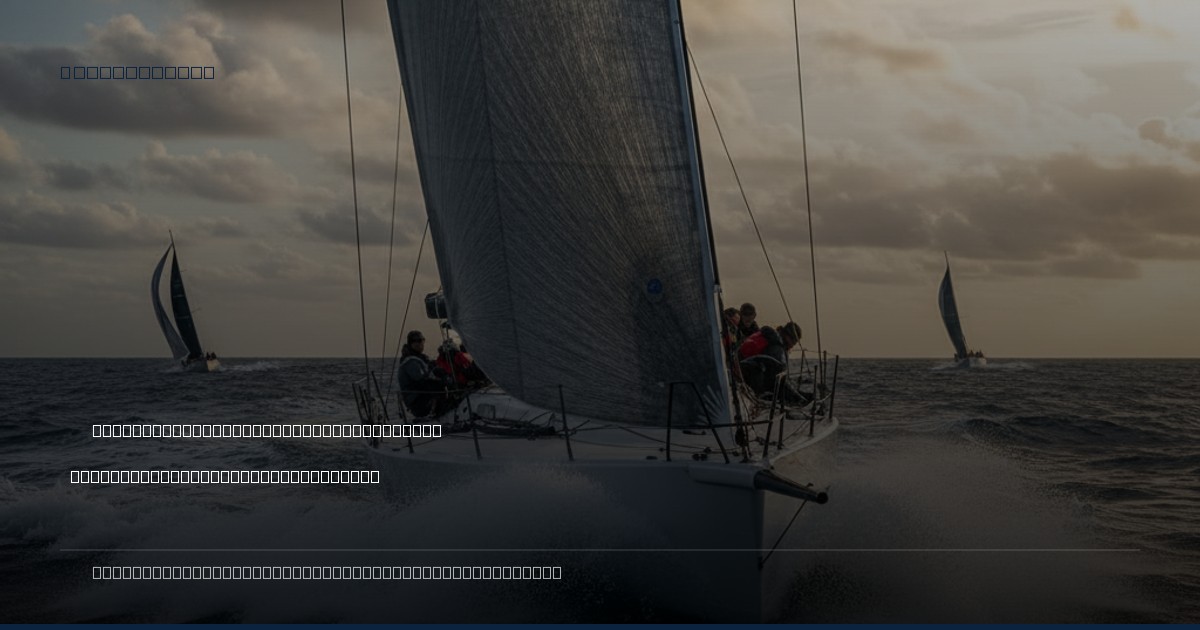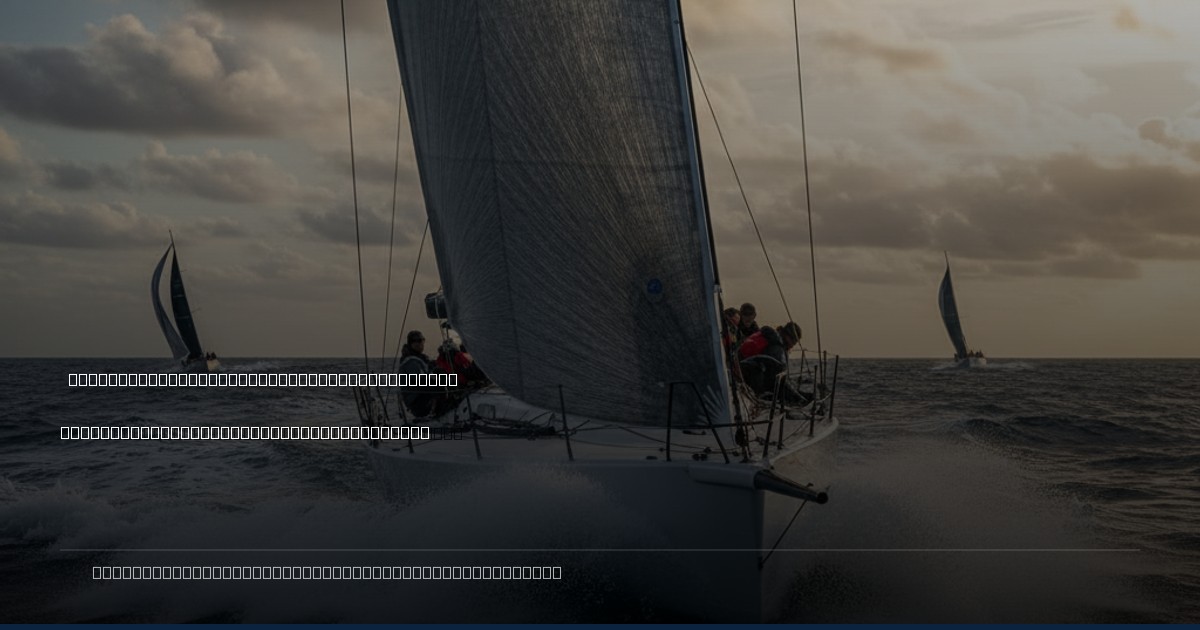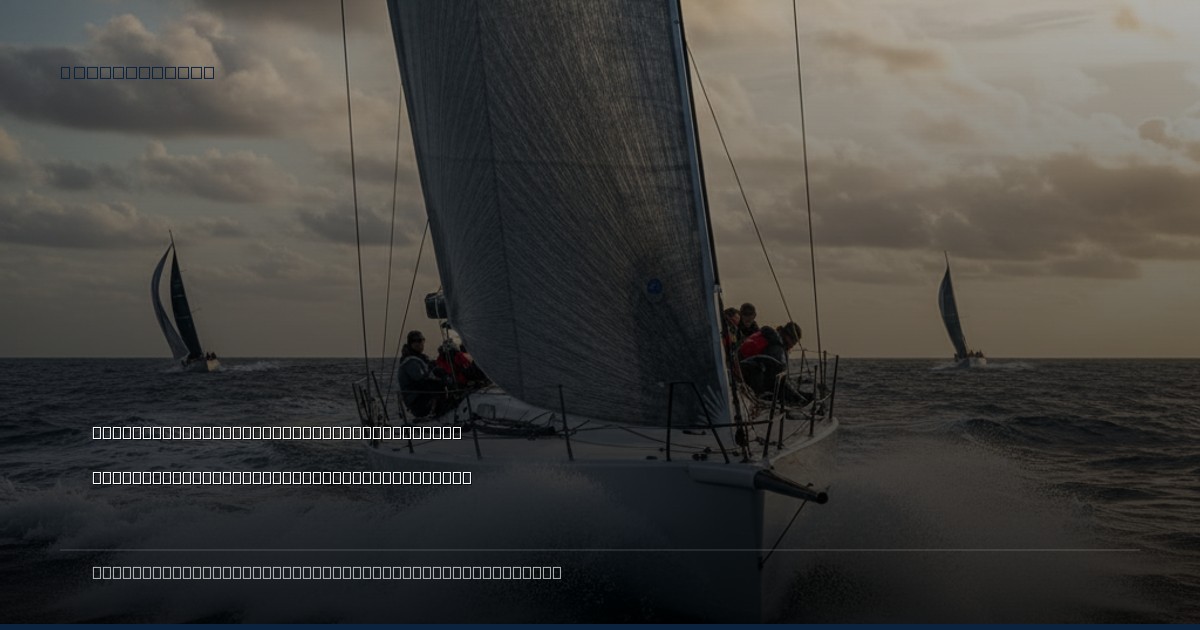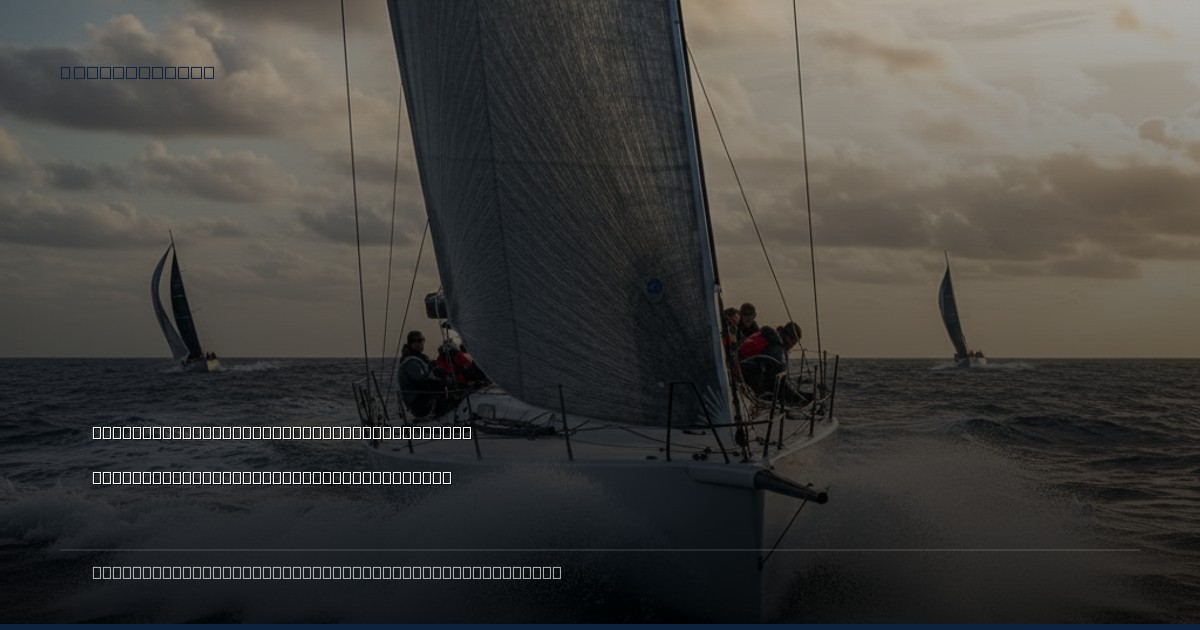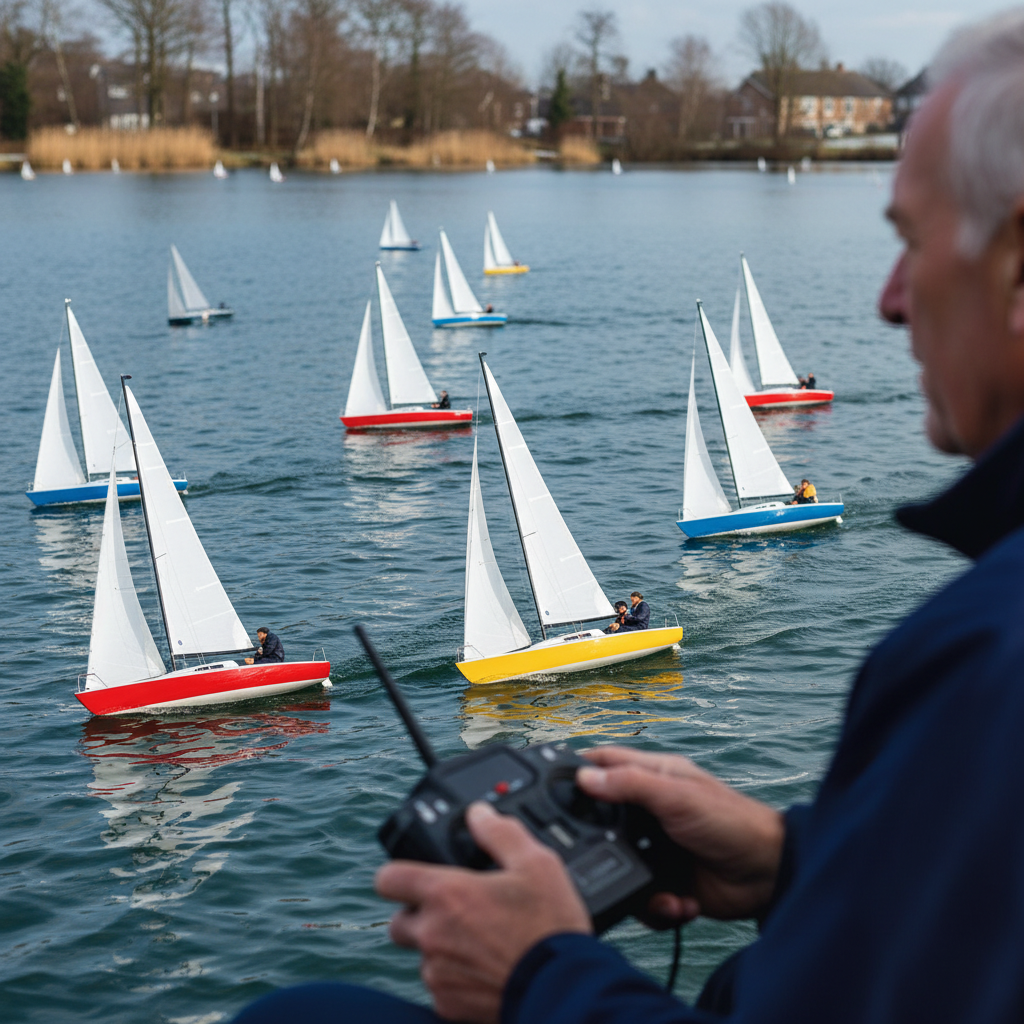
As the chill of winter finally recedes and the promise of open water beckons, the Medway RC Laser Club has brought its Winter Series to a close. While the headline might suggest a quaint, local affair, the underlying sentiment expressed by the participants – that the same tactical errors will inevitably follow them from their miniature yachts to their full-sized counterparts – speaks volumes about the enduring value of even the most accessible forms of competitive sailing.
Indeed, for those of us who've spent decades wrestling with everything from America's Cup behemoths to nimble Olympic dinghies, the RC Laser circuit offers a surprisingly potent microcosm of grand prix racing. The core principles remain identical: wind shifts, current strategy, layline calls, and the relentless pursuit of clear air. There's no brute force to compensate for a missed tack, no Harken winch to grind through a poor trim. It's pure, unadulterated racecraft, stripped down to its essential elements.
Think of it: a slight puff on the left side of the pond, a subtle current eddy near the bank – these are the same micro-tactical decisions that separate winners from also-rans on the Solent or in the Hauraki Gulf. The pressure to execute a perfect gybe, to nail a port-starboard crossing, is just as acute, if not more so, given the immediate, unforgiving feedback of the small boat. It's a low-stakes environment for high-stakes learning.
So, as Medway's sailors transition back to their larger yachts, perhaps a little wiser, a little sharper, they carry with them the invaluable lessons forged on the pond. The errors, as they rightly predict, may well persist. But the understanding of *why* those errors occur, and the ingrained instinct to correct them, will have been honed to a razor's edge. And in the unforgiving world of competitive sailing, that's an advantage money can't buy, even for a $100 million America's Cup campaign.