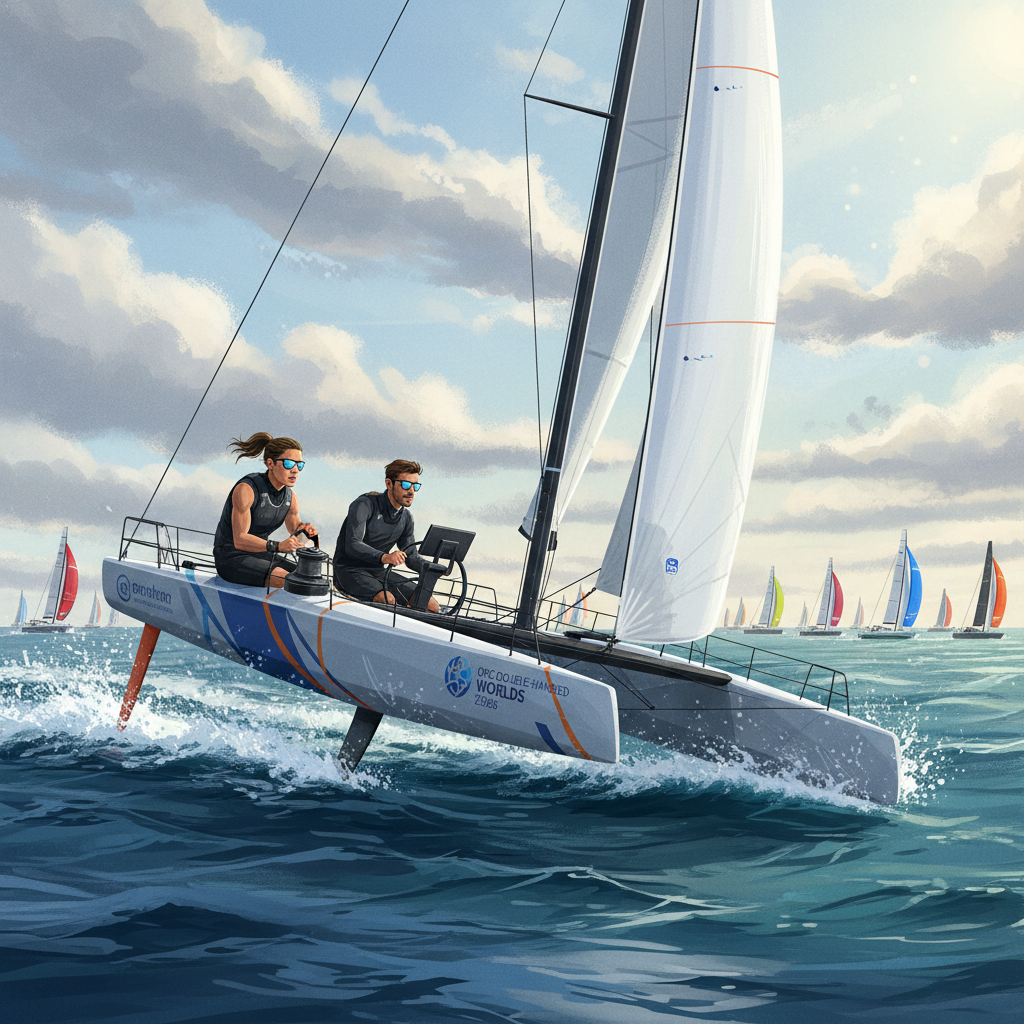
The announcement from the organizing authority of the 2026 ORC Double-Handed Worlds signals a refreshing and pragmatic approach to fostering participation in one of sailing's most demanding disciplines. While the grand spectacle of the America's Cup or the relentless pursuit of The Ocean Race often captures headlines, the double-handed offshore circuit represents the true grit and tactical acumen of sailing at its core.
Historically, the logistical hurdles and financial commitments of international competition have been formidable barriers, particularly for independent teams. By introducing a suite of practical support measures, the organizers are not just inviting entries; they are actively facilitating them. This move is particularly astute, recognizing the burgeoning interest in double-handed sailing, a segment that has seen remarkable growth, fueled by events like the Transat Jacques Vabre and the evolution of classes like the Class40.
The focus on both the local Dutch ORC Club fleet and international IRC teams is a strategic masterstroke. It acknowledges the diverse landscape of offshore racing, where ORC's detailed handicapping system provides a level playing field for a wide array of designs, from production cruisers to highly optimized racing machines. For the international IRC contingent, often campaigning high-performance yachts equipped with Southern Spars rigs and North Sails inventories, these incentives could be the tipping point for committing to the campaign.
This initiative isn't merely about filling the starting grid; it's about cultivating a deeper talent pool and showcasing the incredible skill and endurance required for two sailors to manage a modern offshore racer. From intricate weather routing decisions to the relentless grind of sail changes and watch systems, double-handed racing is a crucible for sailing excellence. These practical incentives promise to make the 2026 Worlds a truly global and competitive affair, a testament to the enduring spirit of offshore sailing.