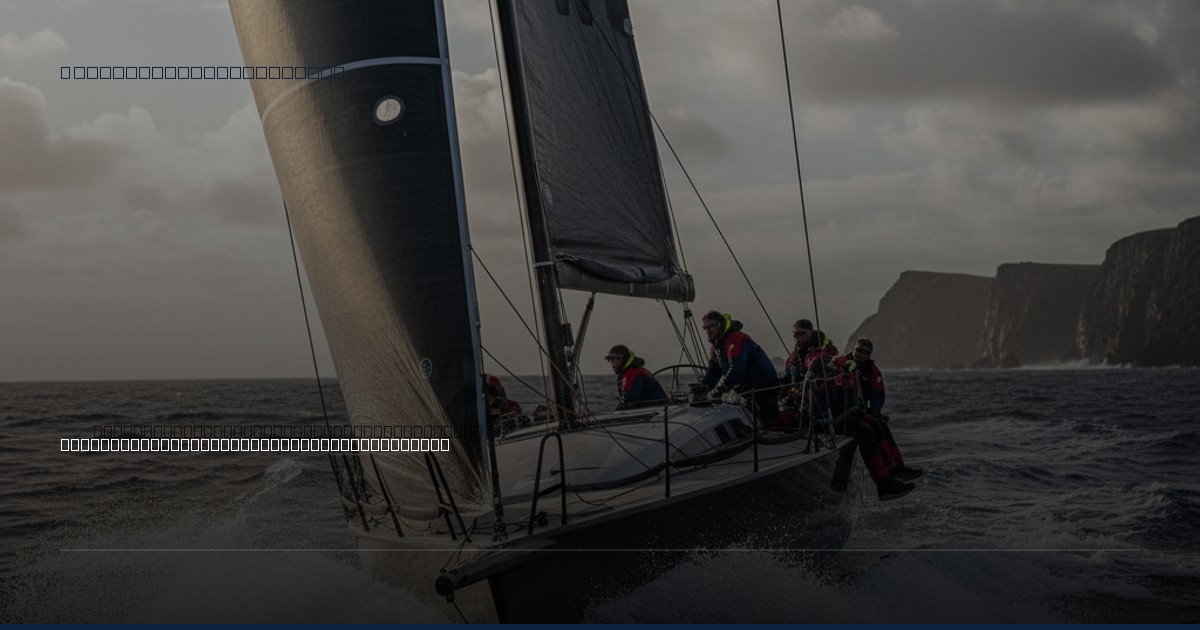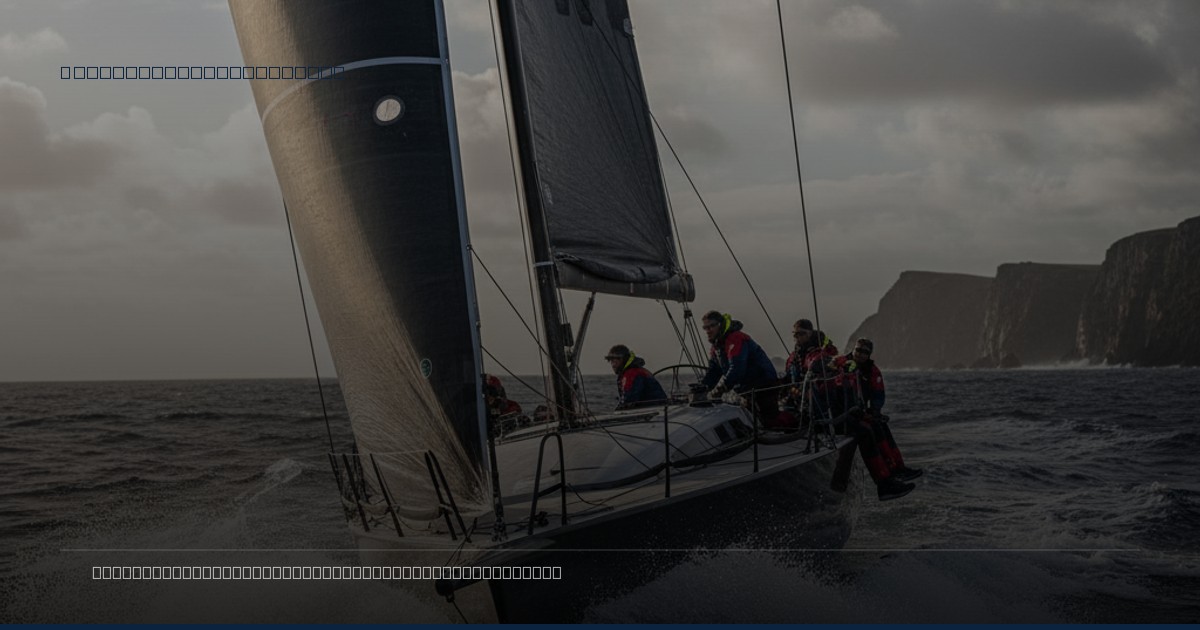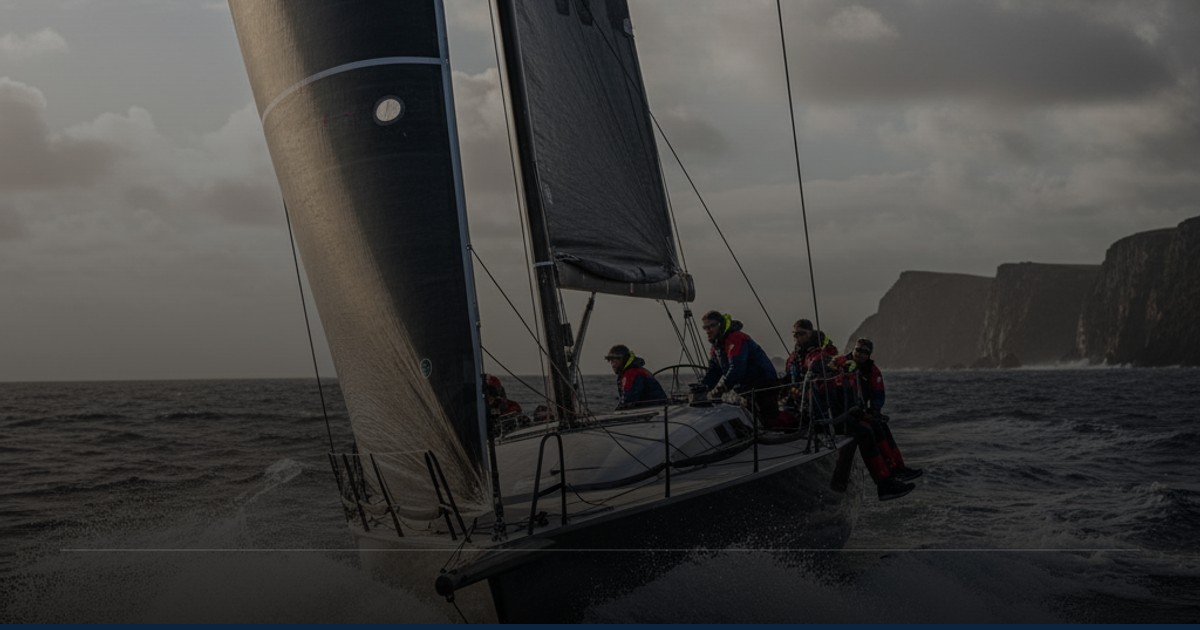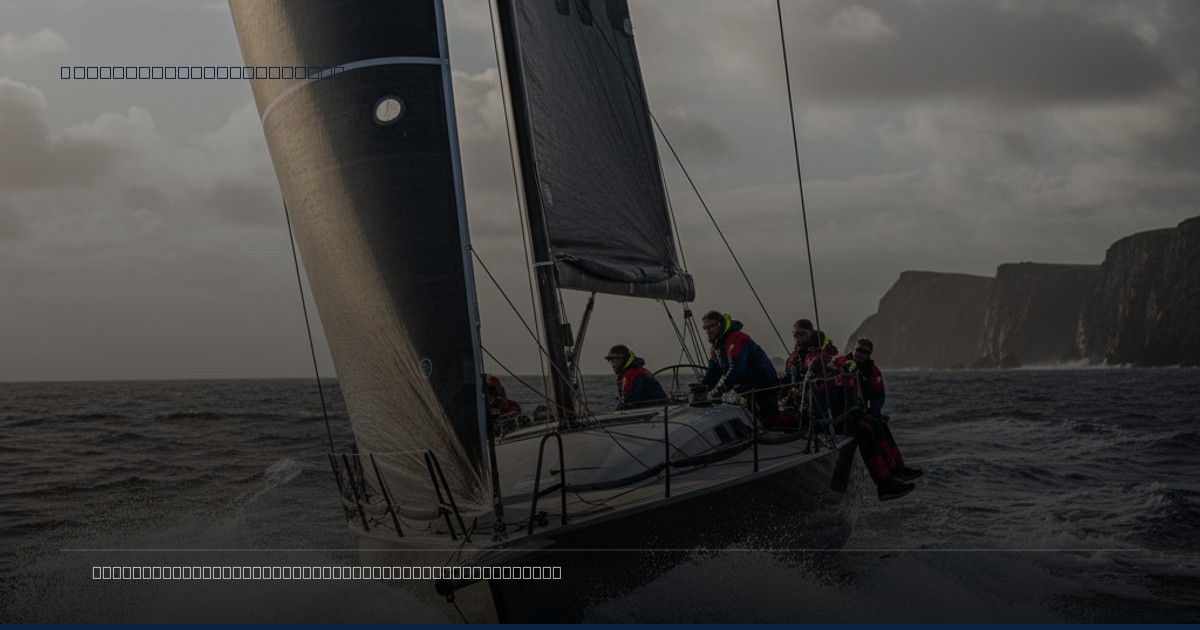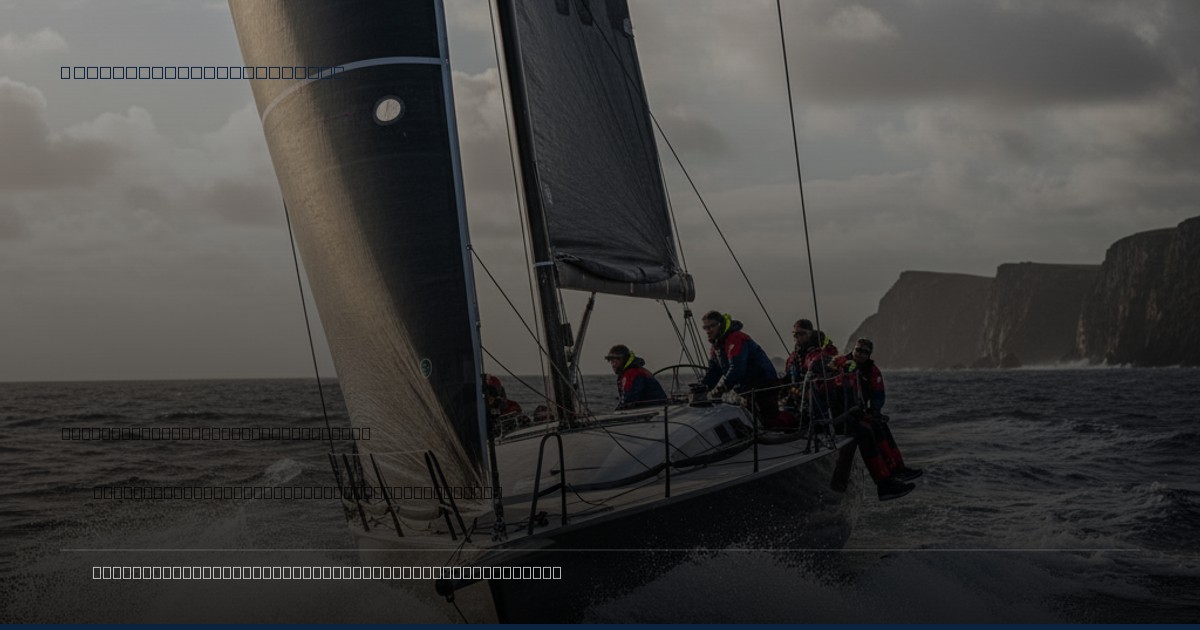
For decades, the offshore racing circuit has been a crucible of human endurance and technological prowess. We've seen the evolution from IOR maxis to the foiling IMOCAs of today, pushing boundaries in every conceivable metric. Yet, as we celebrate these advancements, a stark reality persists for a significant portion of our sailing community: the environment itself remains largely anachronistic for women.
Jaqueline Grawe, a driving force behind The Magenta Project, articulates this challenge with incisive clarity. It's not about a lack of skill or dedication. Female sailors are putting in the hours, mastering the complex hydrodynamics, and understanding the nuances of weather routing and sail trim – whether it's a North Sails 3Di or a traditional Dacron. They are as adept at grinding a Harken winch as any male counterpart, and their understanding of a Southern Spars rig is second to none. The issue, Grawe points out, is far more fundamental: the boat, the gear, and the logistical support are often not designed with them in mind.
Imagine stepping aboard a Volvo Ocean 65 or an Open 60, having trained relentlessly for years, only to find the basic necessities – from appropriately sized foul-weather gear to privacy and sanitation facilities – are an afterthought. This isn't a minor inconvenience; it's a systemic barrier that impacts comfort, performance, and ultimately, retention. The business of high-performance sailing, with its multi-million dollar budgets, must extend its vision beyond just optimizing hull shapes and wing sails to encompass the human element in its entirety. True equity in offshore sailing demands a conscious effort to build structures that support, rather than hinder, female talent. Only then can we truly unlock the full potential of every sailor, regardless of gender, in the relentless pursuit of ocean racing glory.