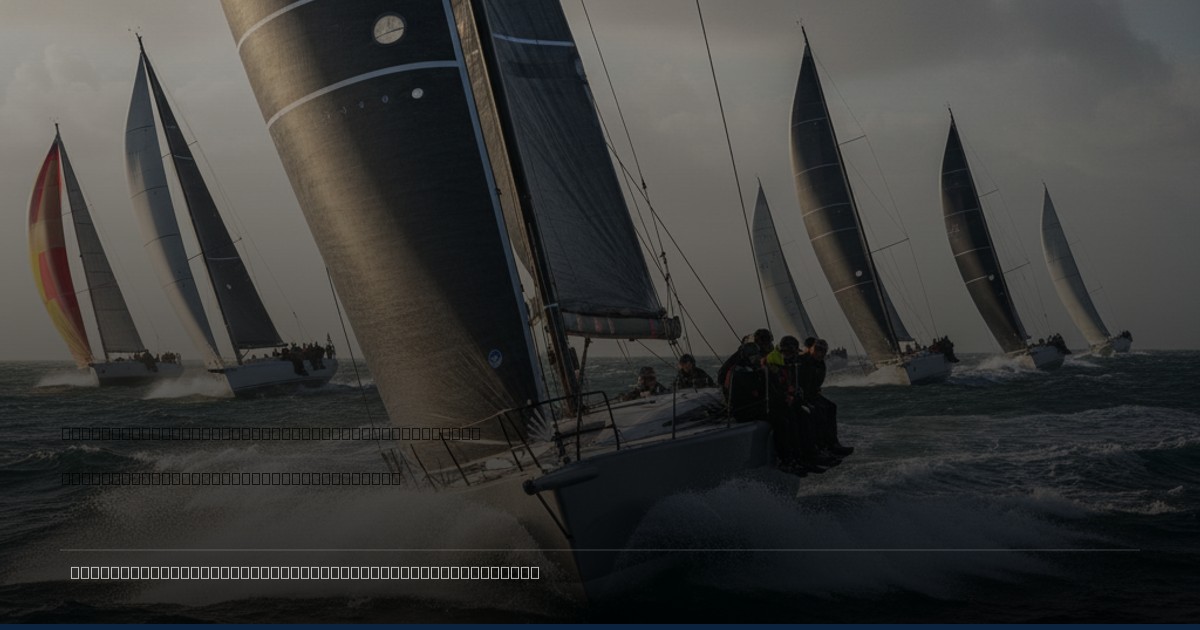
The America's Cup, that grand dame of international sport, continues to surprise and delight, even in the often-predictable world of high-stakes yacht racing. News filtering out from the organizers confirms an unspecified number of late entries for the 38th edition, set to unfold in the dramatic backdrop of Naples next year. This extension of the initial deadline to the end of March was a shrewd move, a clear signal that the Defender, Emirates Team New Zealand, and the Challenger of Record, INEOS Britannia, are keen to see a robust and competitive field.
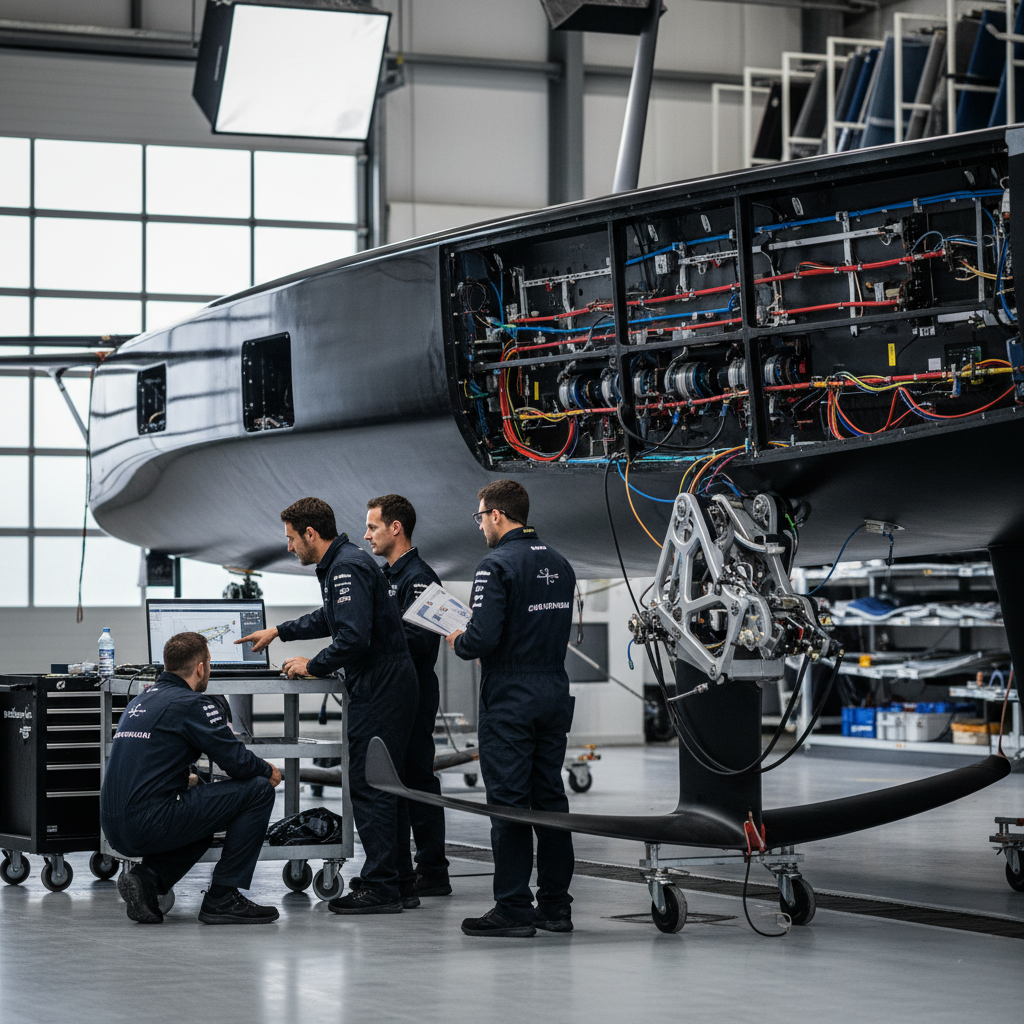
While the usual suspects – Britain, France, Italy (Luna Rossa, of course), and Switzerland – have already declared their intentions, this late surge hints at the enduring appeal of the Cup, even with the monumental financial and technological hurdles presented by the AC75 class. Building one of these foiling behemoths, complete with custom Southern Spars rigs, Harken hydraulics, and a full suite of North Sails 3Di, is a multi-million dollar undertaking. The logistics alone, from assembling a design team capable of optimizing hydrofoils for the Bay of Naples' specific conditions to recruiting a sailing squad that can tame these beasts in a 20-knot breeze, are staggering.
One has to wonder which nations, or indeed, which ambitious syndicates, are now throwing their hats into the ring. Could we see a dark horse emerge, perhaps a well-funded American Magic-esque challenger from a new quarter? The Cup's history is replete with such tales. The AC75, with its wing-like soft sails and complex flight control systems, demands a unique blend of engineering prowess and on-the-water tactical genius. The tidal gates and shifty winds of Naples will undoubtedly add another layer of complexity, making weather routing and real-time wind strategy paramount. This late influx of entries only promises to make the 38th America's Cup an even more compelling spectacle.