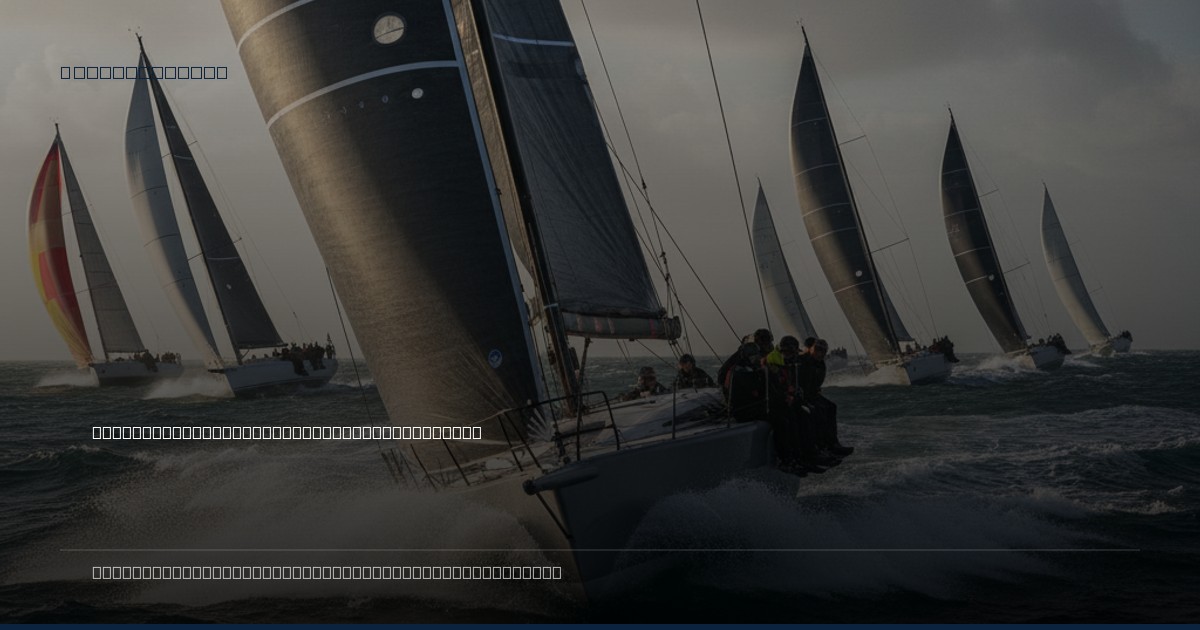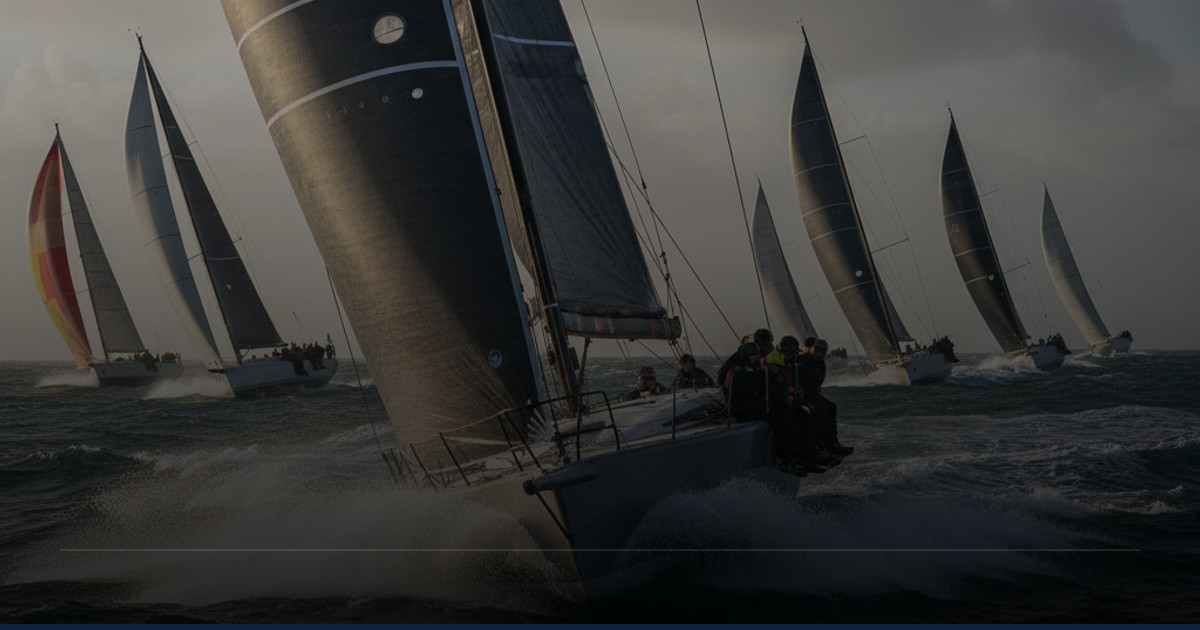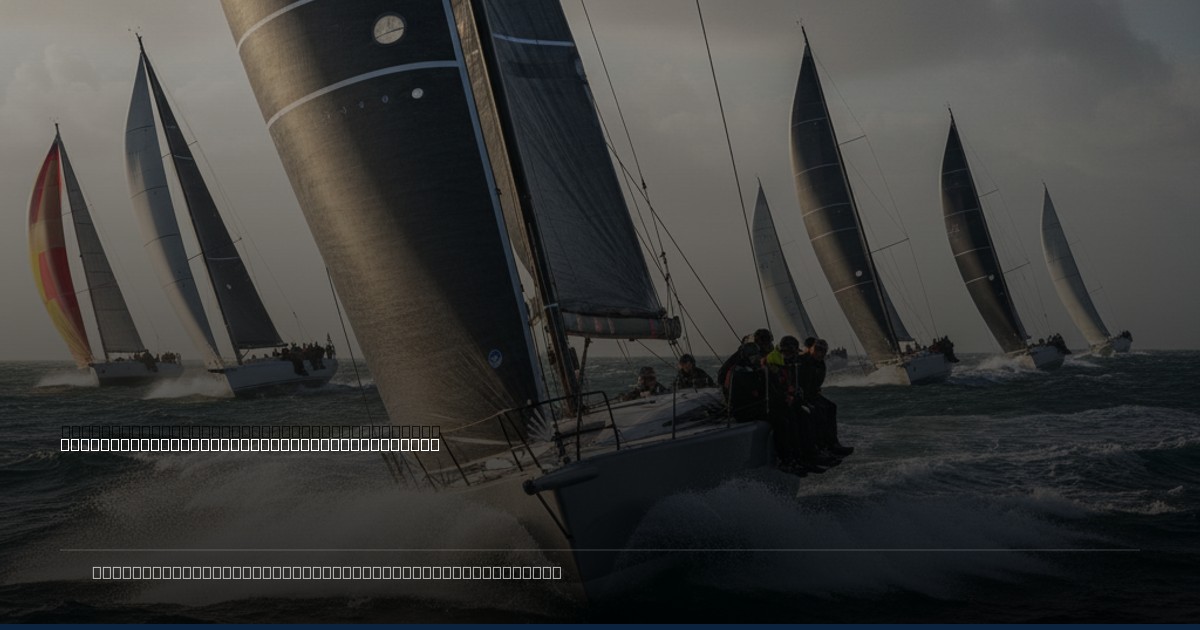
The recent announcement from the America's Cup Event Authority, extending the entry deadline for the 38th edition by two months, has sent ripples through the competitive sailing world. While Scuttlebutt's Craig Leweck rightly points out the undeniable commercial upside – more teams mean more revenue, a critical factor for an event where campaigns routinely eclipse the $100 million mark – the question remains: does this reflect a true surge of credible interest, or is it a strategic play to maximize commercial potential?
For those of us who've witnessed the ebb and flow of Cup cycles since the turn of the millennium, this isn't entirely new territory. The financial demands of a modern AC campaign, particularly with the cutting-edge AC75 class, are immense. Teams like Emirates Team New Zealand, INEOS Britannia, and Luna Rossa Prada Pirelli operate on budgets that dwarf many national sports federations. The engineering prowess required for a wing-sailed foiler, from Southern Spars' carbon wizardry to Harken's bespoke hydraulic systems, demands significant investment.
Optimists will hope this extension tempts a new challenger from a burgeoning sailing nation, perhaps a well-funded syndicate eager to test their mettle against the likes of Peter Burling or Ben Ainslie. The alternative, however, is a more cynical view: the existing challengers, perhaps not entirely satisfied with the current field, might be leveraging their position to ensure a more robust and, crucially, more profitable event. The America's Cup is as much a business as it is a sporting contest, and every decision, including deadline extensions, is weighed against the bottom line.