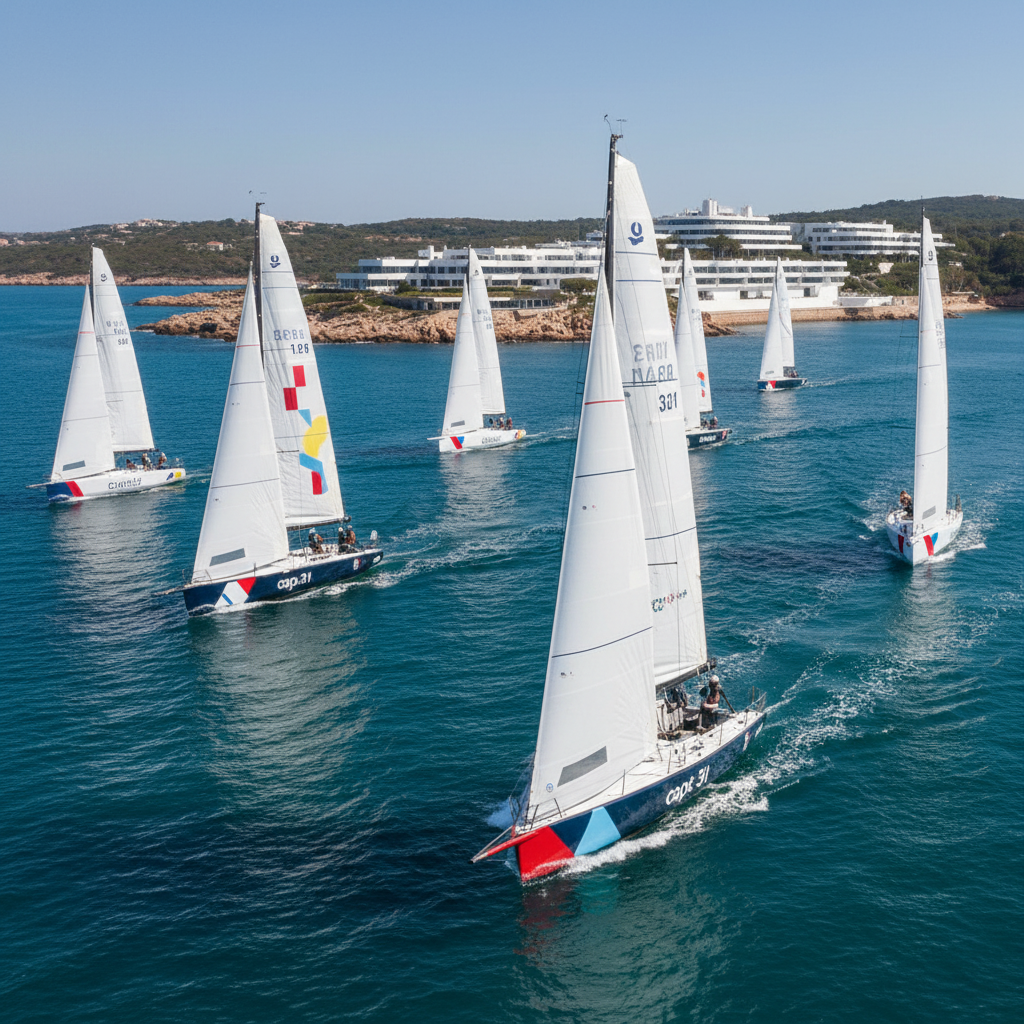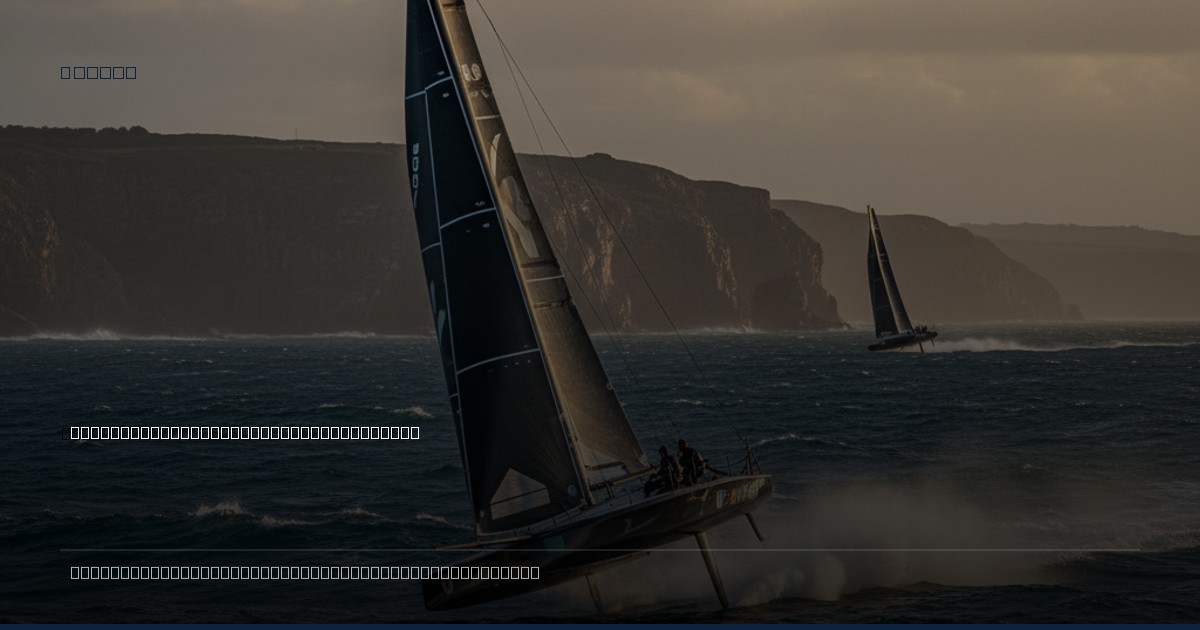
The hallowed grounds of the Weymouth & Portland National Sailing Academy, a venue synonymous with Olympic dreams and high-stakes racing, recently welcomed the Topper National Series Event 2. While the grand prix circuit, with its foiling marvels and multi-million dollar campaigns, often dominates headlines, the Topper class remains a vital crucible for developing the tactical acumen and boat handling that will one day propel sailors into the ranks of an Emirates Team New Zealand or an INEOS Britannia.
March 7th and 8th, 2026, saw a fleet of eager young sailors navigate the often-tricky Portland Harbour. Saturday's conditions, a moderate 10-15 knots, provided a perfect opening gambit. These are the winds that demand precise sail trim – not just the brute force of a full rig, but the subtle adjustments of vang and outhaul, the early understanding of how a North Sails main responds to varying pressure. It's in these conditions that a young sailor begins to internalize the 'feel' of the boat, a critical skill that translates directly to managing the colossal loads and speeds of an AC75 or a SailGP F50. The ability to read the water, anticipate shifts, and execute clean tacks and gybes in a competitive fleet is honed here, long before they ever consider the complexities of wing sails or hydrofoils.
The Weymouth Academy, with its consistent breeze and often-shifty patterns, is an exceptional training ground. It's where future Olympians learn the art of wind strategy, understanding how land features influence local thermal effects, and how to leverage every puff. The Topper class, while seemingly humble, is a demanding single-hander that forces self-reliance and quick decision-making – attributes essential for any top-tier sailor, from a future Ben Ainslie to a budding Peter Burling. This event, therefore, wasn't just about winning races; it was about forging the next generation of sailing talent.