The recent musings from Sailing Scuttlebutt regarding collegiate sailing's role in a young sailor's trajectory hit a nerve that resonates deeply within the sport. We've all seen it: the prodigious youth sailor, fresh off a national championship in an Optimist or a 420, suddenly faced with the crossroads of university life and the relentless pursuit of Olympic glory or a Grand Prix circuit berth.
For a select few, those with the raw talent, the unwavering focus, and the financial backing, college can indeed feel like an expensive four-year detour. Consider the path of a Peter Burling or a Tom Slingsby – their ascent to the pinnacle of the sport, from America's Cup victories to SailGP dominance, was built on an almost singular dedication from a young age. Every hour spent in a lecture hall is an hour not spent refining foil control, deciphering a complex weather routing model, or grinding on a Harken winch. The physical demands alone of a modern foiling AC75 or a Moth require years of dedicated athletic development that often doesn't neatly align with academic schedules.
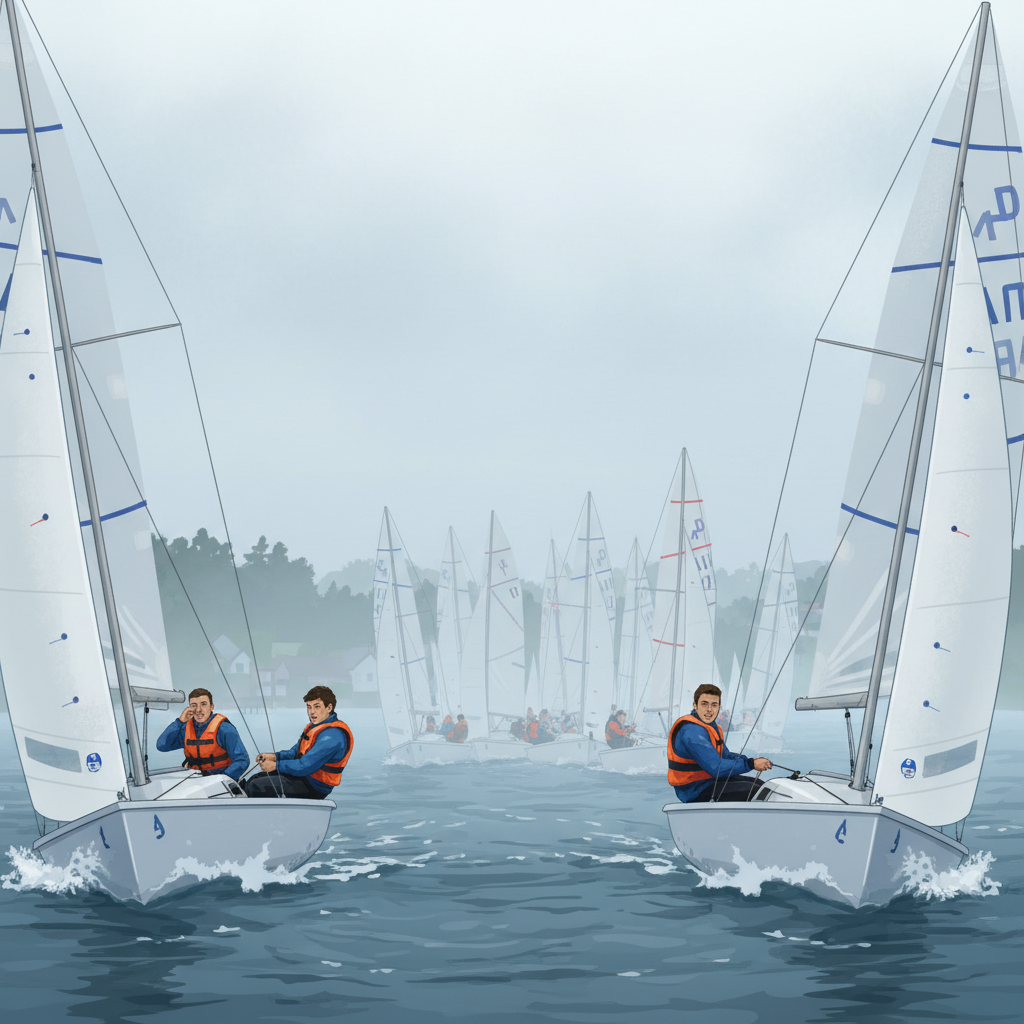
However, for the vast majority, college offers an invaluable crucible for growth, both on and off the water. The team dynamics of collegiate sailing, often in borrowed FJs or 420s, teach a different kind of strategic thinking and boat handling than individual dinghy racing. It hones leadership skills, fosters connections that can last a lifetime, and provides a crucial fallback plan should the professional sailing dream – a notoriously challenging and competitive path – not materialize.
The question then becomes less about 'if' college is a delay, and more about 'how' it's integrated into a long-term sailing plan. For those eyeing the Olympics or the America's Cup, the decision requires brutal honesty and a clear-eyed assessment of their potential. For everyone else, the right collegiate program can be a powerful accelerator, building a well-rounded individual ready for whatever the winds of life may bring, sailing or otherwise.