Less than 90 days out from June 1st, the official start of the 2026 Atlantic hurricane season, the National Hurricane Center has released its new roster of names. For those of us who live by the wind and the waves, this isn't just a meteorological footnote; it's a critical piece of the strategic puzzle, impacting everything from grand prix scheduling to the logistical nightmares of a $100M America's Cup campaign.
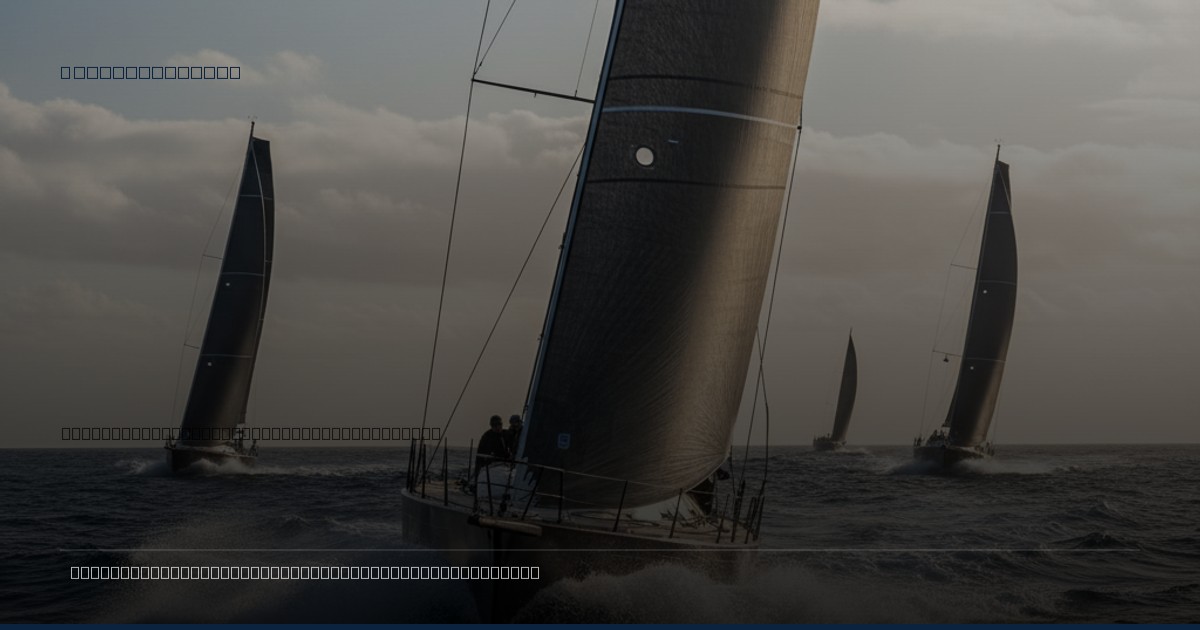
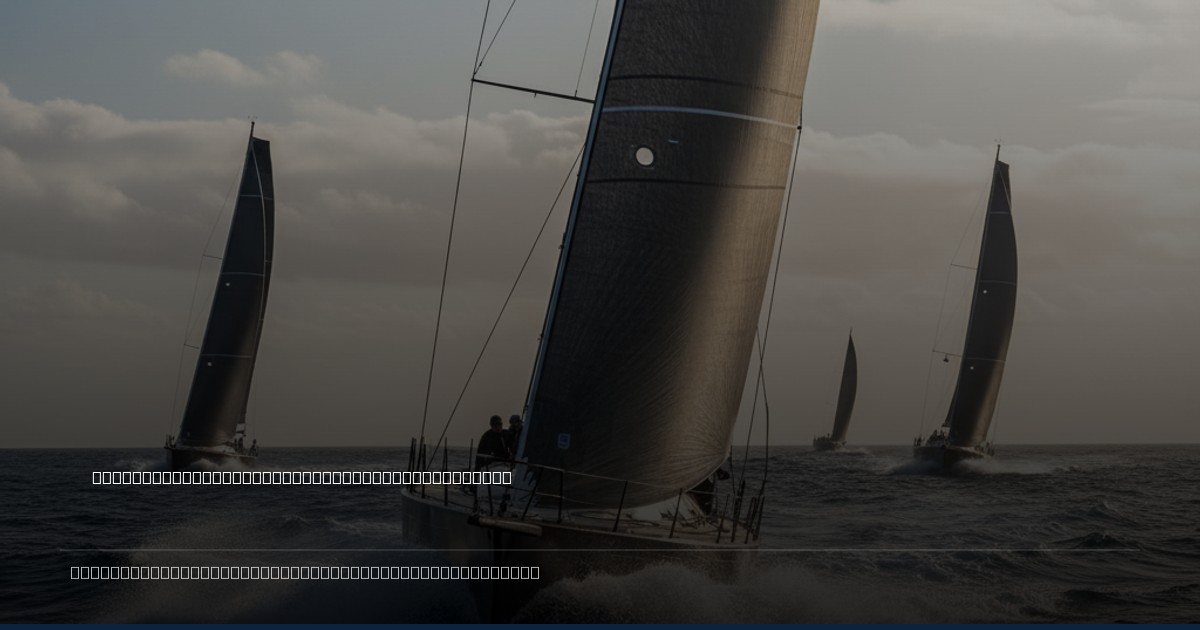
While the America's Cup itself tends to avoid the peak hurricane months, the broader implications for the global sailing calendar are profound. Consider The Ocean Race, which often navigates the fringes of these systems, or the myriad of high-stakes regattas dotting the Caribbean and U.S. East Coast. A named storm, whether it's 'Alberto' or 'Beryl,' can force last-minute reroutes, postpone starts, or even necessitate the complete relocation of entire fleets, disrupting carefully laid plans and incurring significant costs.
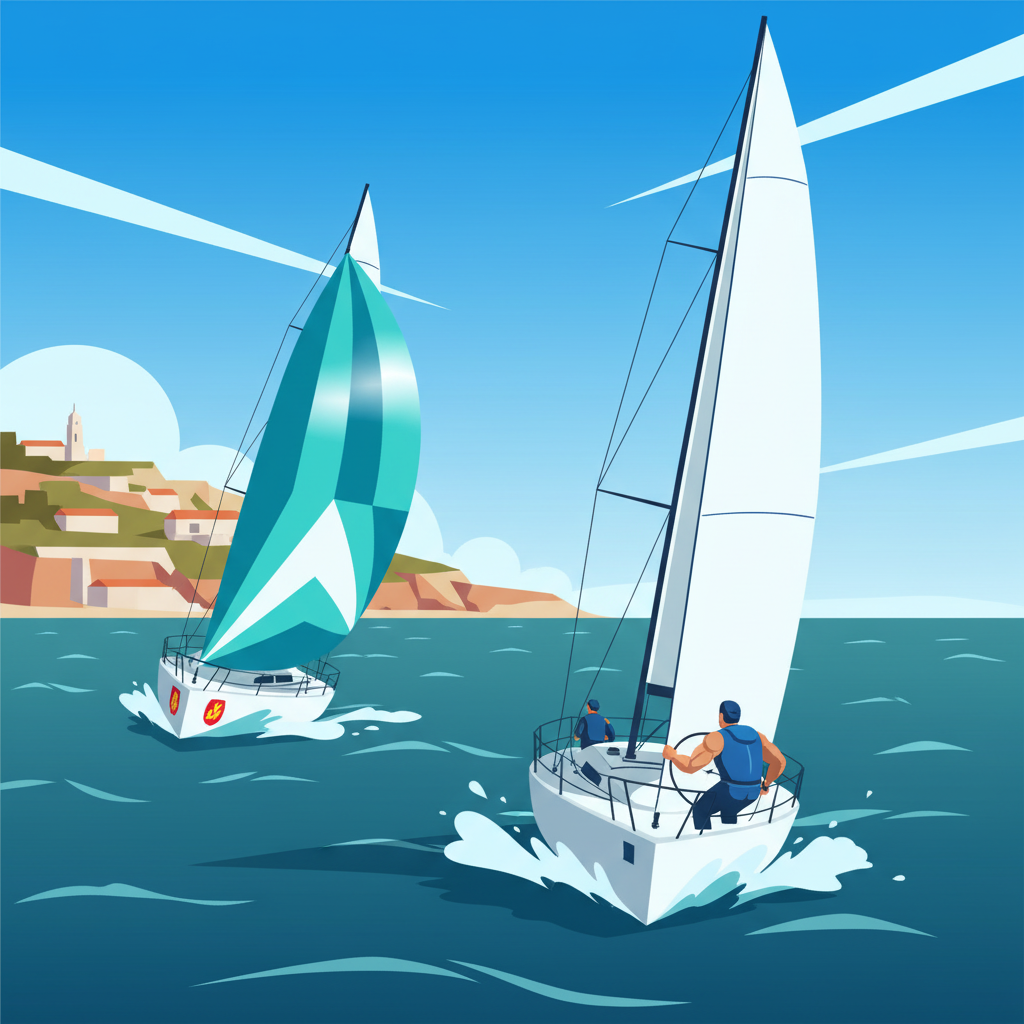
For offshore racers, weather routing software, often powered by sophisticated algorithms and fed by GRIB files, becomes paramount. Understanding the potential track and intensity of these systems is the difference between a podium finish and a dismasting. Even for inshore events, the residual effects—swells, squalls, and shifted wind patterns—can dramatically alter race dynamics, demanding astute tactical calls from helmsmen like Peter Burling or Jimmy Spithill.
Marine industry professionals, from North Sails' design teams to Harken's hardware engineers, are constantly evaluating gear resilience against extreme conditions. Yacht clubs and marinas, the lifeblood of our sport, face the perennial challenge of safeguarding assets and infrastructure. The 2026 hurricane season isn't just a list of names; it's a stark reminder of the raw power of the ocean, a power that demands respect, meticulous planning, and an unwavering commitment to safety from every corner of our sport.