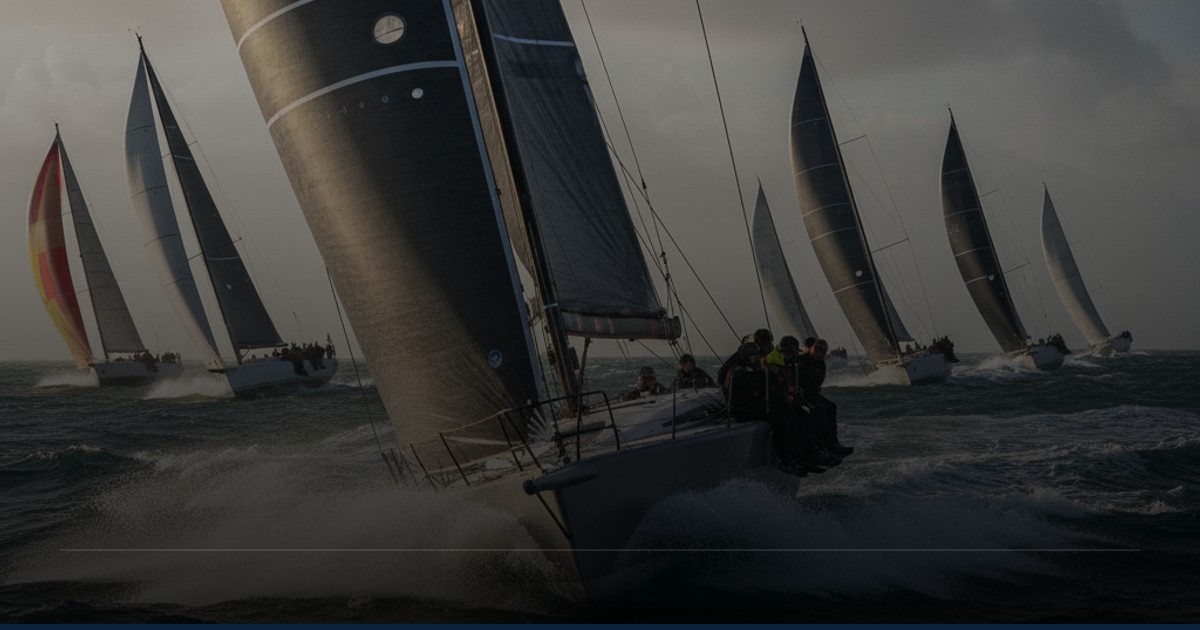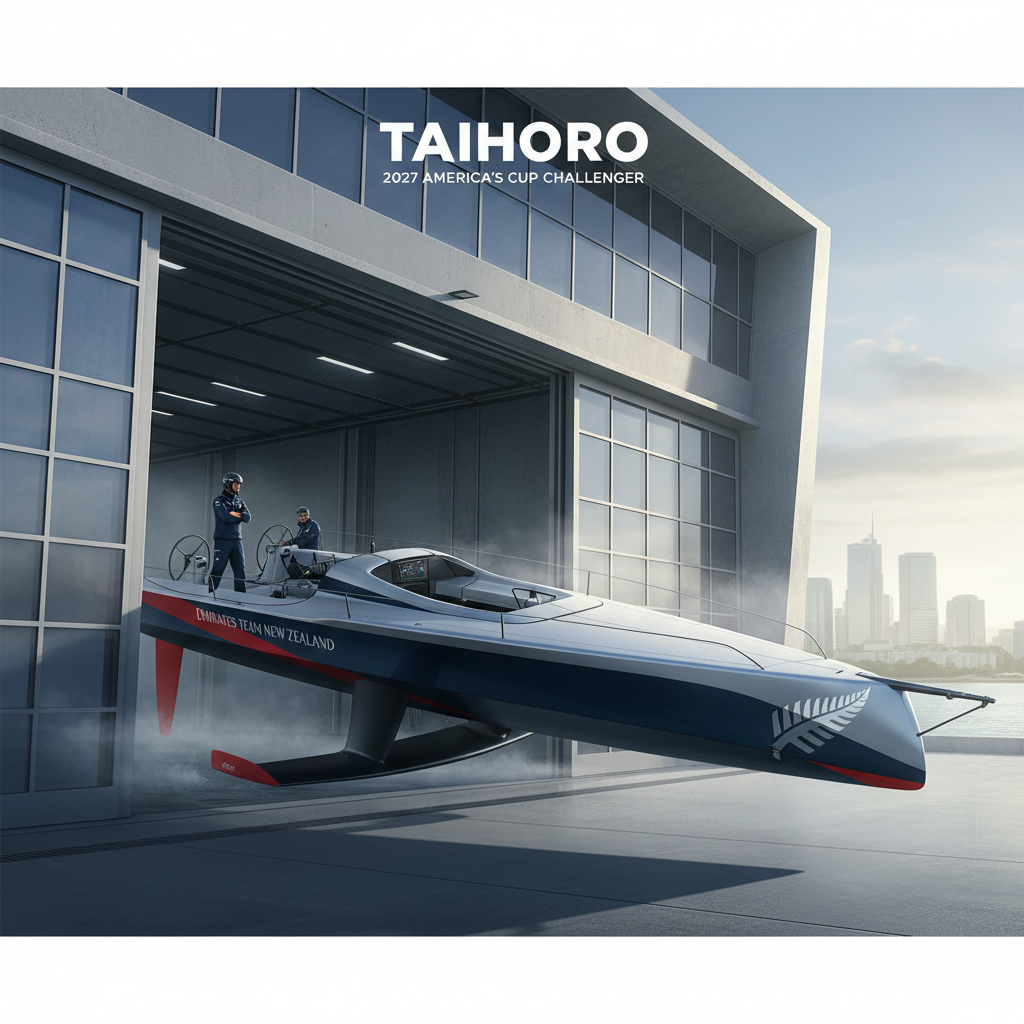
Auckland, NZ – The rumor mill has been churning, but now we have concrete evidence of the seismic shift coming to the America's Cup. Emirates Team New Zealand (ETNZ) has relaunched 'Taihoro', their 37th America's Cup victor, after a significant refit, offering the first glimpse into the future of AC75 racing: a five-person crew.
This isn't merely a tweak; it's a fundamental re-engineering of the AC75 concept. From the initial 11-person crew in 2021 to eight in Barcelona, and now a mere five for 2027, the demands on human power and system integration are reaching unprecedented levels. While the hull remains the same – a shrewd move by the Defender to control costs and ensure a level playing field – every other aspect, from hydraulics to sail control, must be re-evaluated.
The critical question now is how ETNZ, and indeed INEOS Britannia, Luna Rossa, and American Magic, will manage the power generation. With three fewer grinders, the reliance on high-efficiency Harken systems and potentially advanced battery storage for peak loads will be paramount. Will we see more sophisticated auto-trimming? How will the reduced crew manage the intricate dance of the North Sails wing-rig and the massive foils in tactical situations, especially in tidal gates or shifty conditions? The skipper, likely Peter Burling, will need to be even more of a maestro, while the flight controllers and trim specialists will be stretched thin. This isn't just about speed; it's about survivability and tactical agility with minimal manpower. The next Cup will truly test the limits of man and machine.