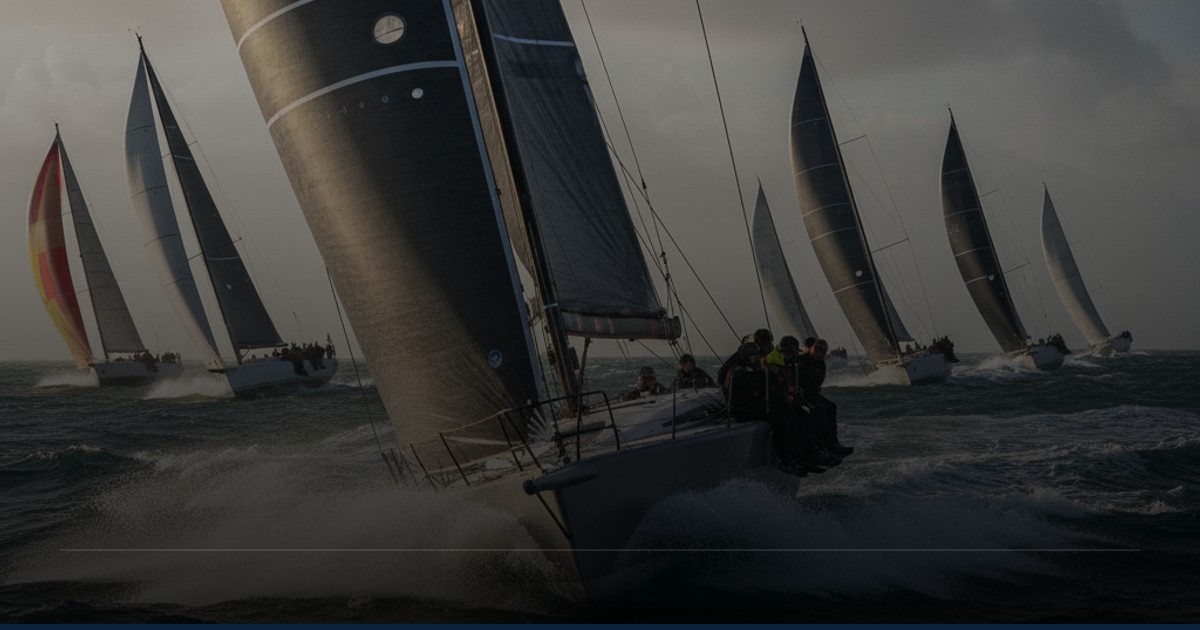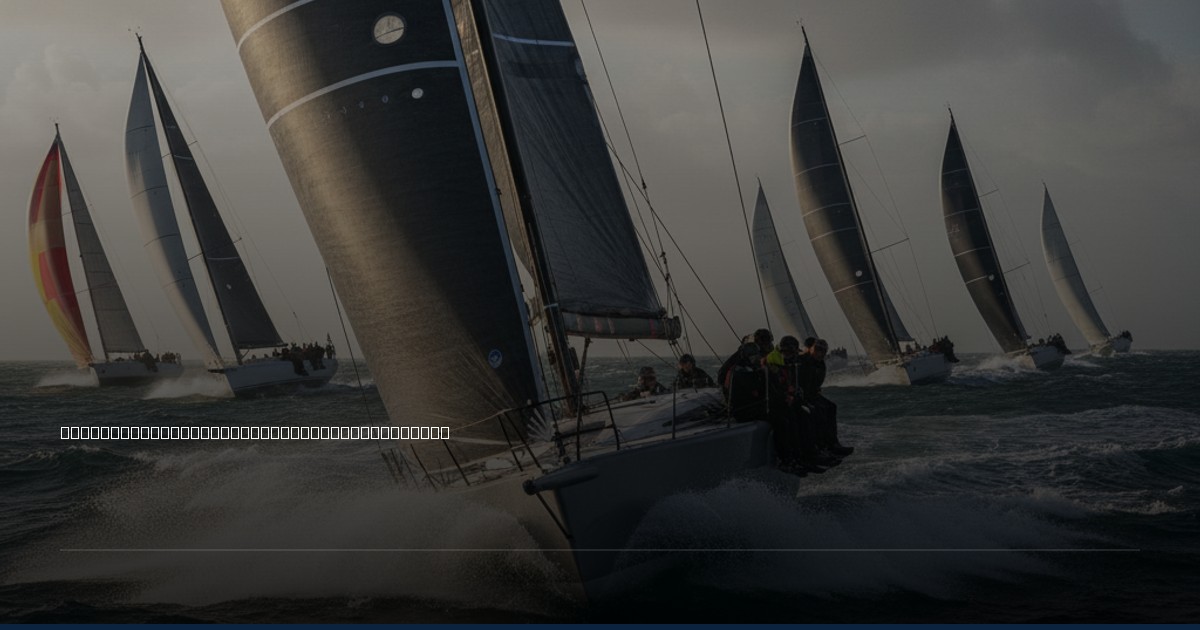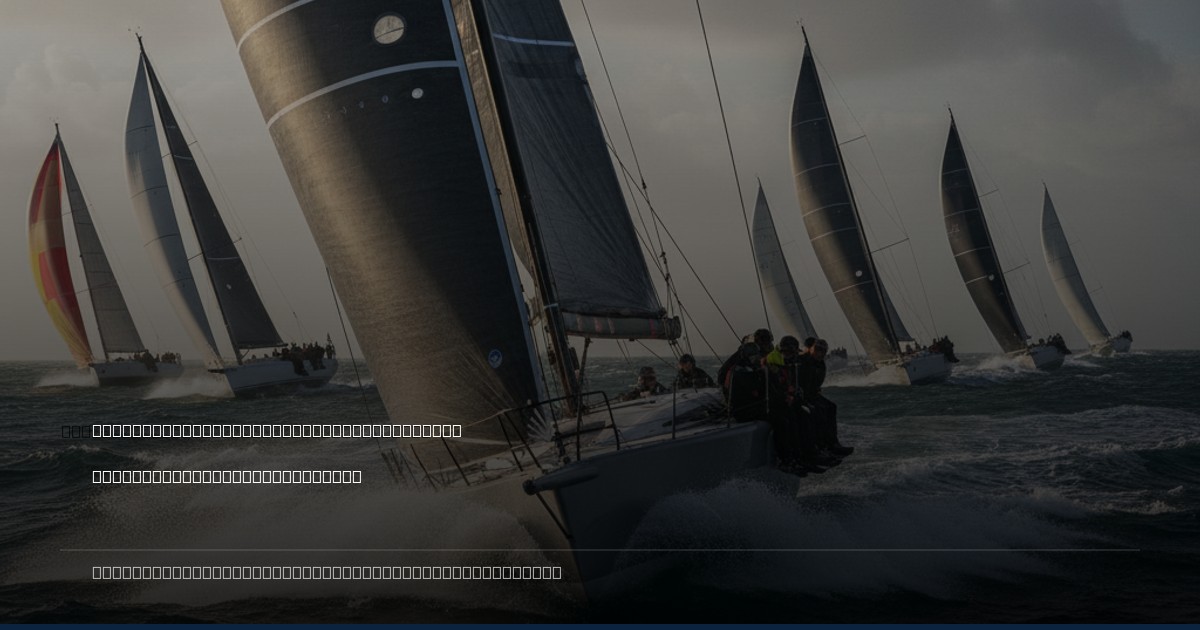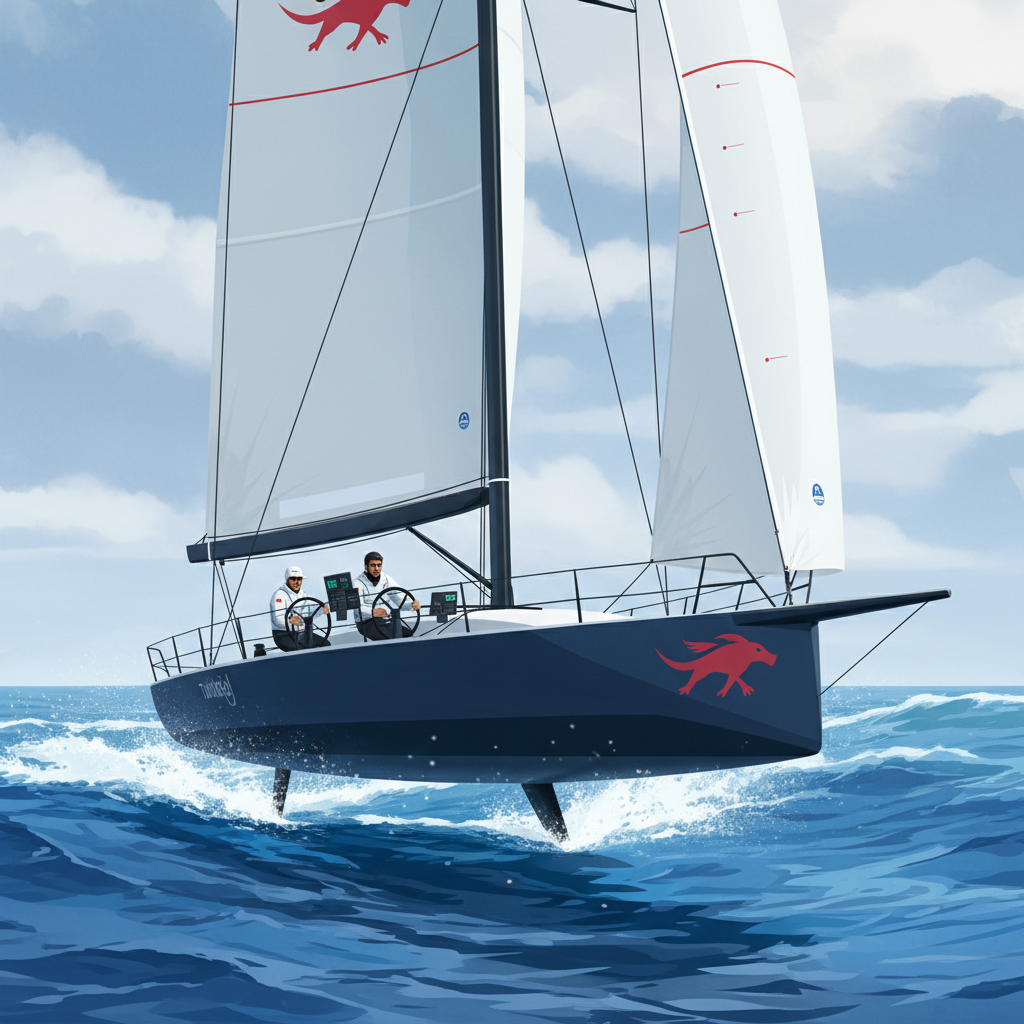
The docks at Wynyard Point have once again delivered a glimpse into the future of high-performance sailing, as Emirates Team New Zealand (ETNZ) relaunched their victorious AC75, 'Taihoro.' But this isn't merely a fresh coat of paint; it's a profound re-engineering, a testament to the relentless pursuit of speed and the evolving demands of the America's Cup.
The headline news, confirmed by the sight of Taihoro, is the radical reduction in crew from eight to a mere five for the 2027 Cup cycle. This isn't just about weight savings; it's a fundamental shift in onboard roles and system integration. With hulls being reused from the 2024 campaign, the challenge for design teams – from North Sails' sail plan optimization to Southern Spars' mast integration and Harken's hydraulic systems – is to adapt these complex machines to a significantly smaller human footprint.
For ETNZ, led by the astute Peter Burling, this means an even greater reliance on automation and the multi-skilling of the remaining crew. Every ounce of effort, every tactical decision, will be magnified. How will the 'cyclor' roles, critical for hydraulic power generation, be condensed? What does this mean for wind strategy and boat handling in the volatile conditions of Barcelona? The business of America's Cup campaigns, already a multi-$100 million endeavor, now hinges on extracting even more performance from fewer hands. The sailing world watches with bated breath.