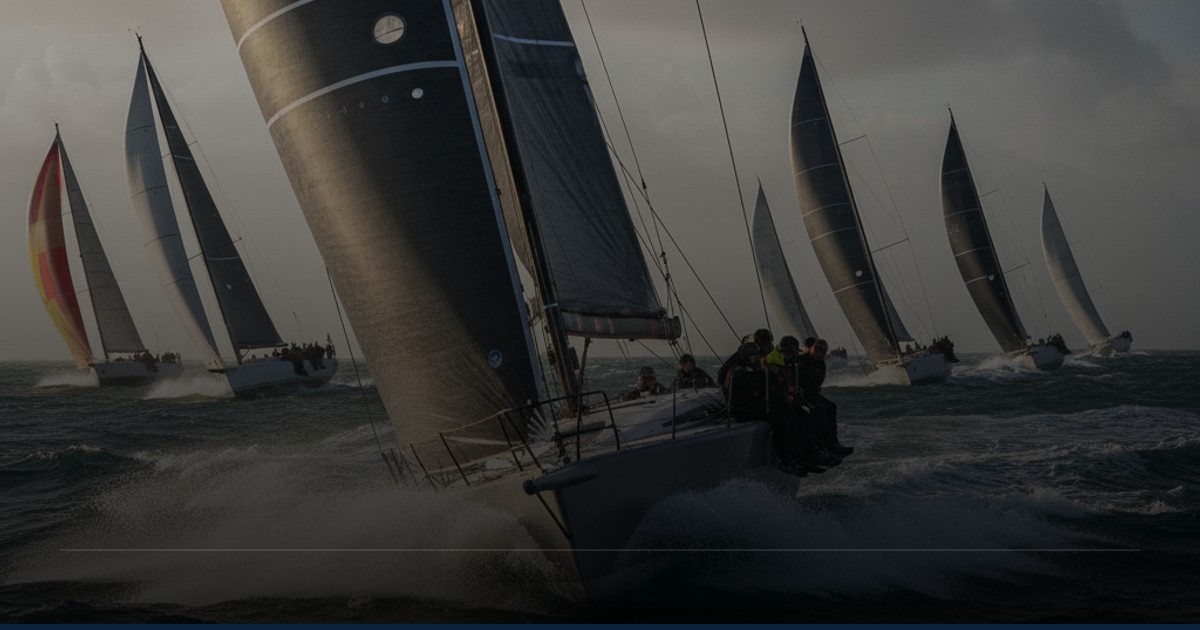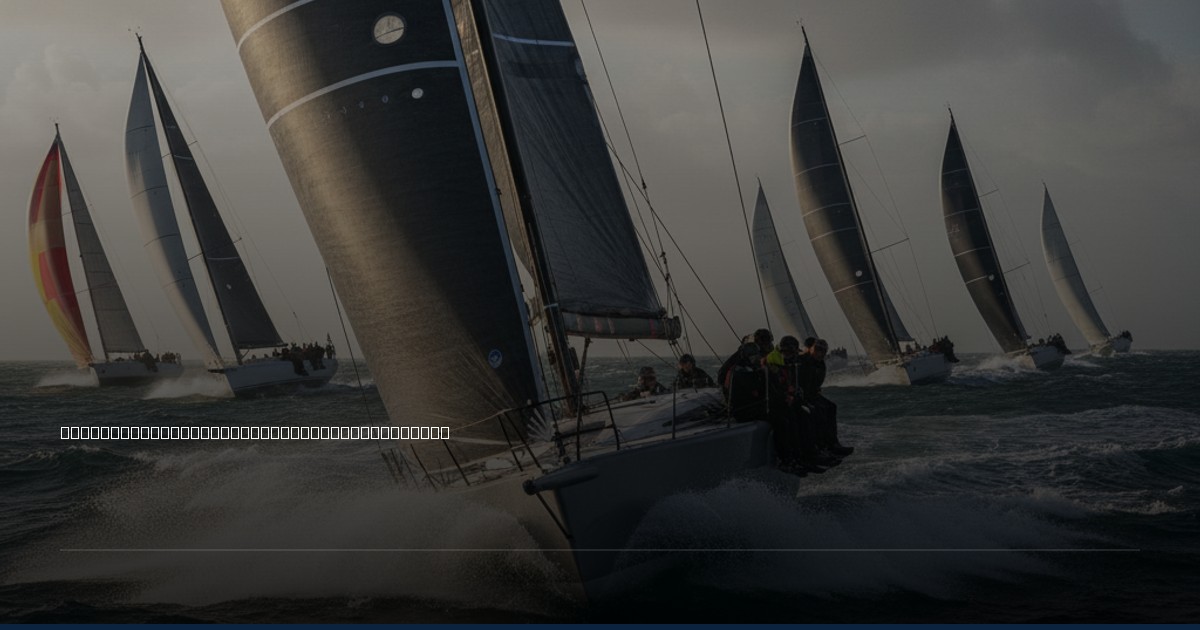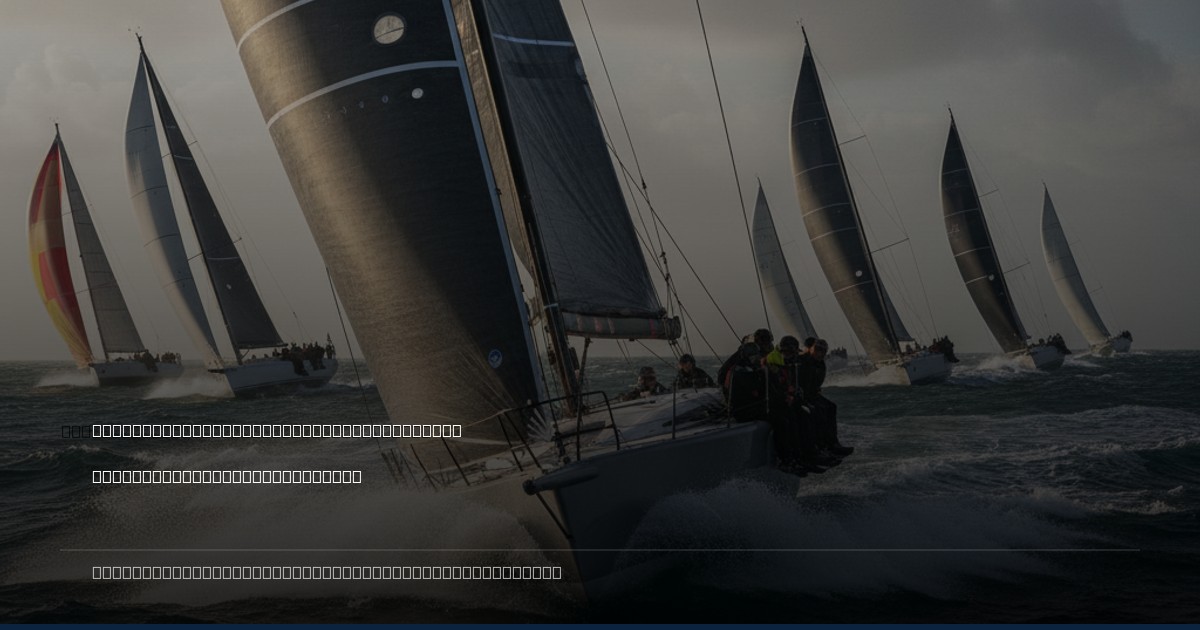
The docks at Wynyard Point have once again become the epicenter of America's Cup intrigue as Emirates Team New Zealand (ETNZ) relaunched their victorious AC75, Taihoro. But this isn't the same beast that dominated Barcelona; it's a testament to the relentless evolution mandated by the 37th America's Cup Protocol, particularly the audacious move to a five-person crew.
For those of us who've witnessed the AC75's journey from its 11-strong debut to the eight-man configuration of the last cycle, this reduction to a mere five sailors is a seismic shift. It's a bold gamble on the efficiency of automation and the sheer athletic prowess of a hyper-specialized crew. With the 'same hull' rule for 2027, the modifications to Taihoro are less about hydrodynamics and more about human-machine interface. We're talking about redesigned cockpits, optimized control systems, and potentially even more advanced Harken hydraulics to compensate for fewer grinders.
This isn't just about weight savings; it's about tactical bandwidth. Peter Burling, or whoever is at the helm, will have fewer pairs of eyes and hands to rely on. The communication loop, already critical, becomes even tighter. Wind strategy and tidal gate execution will demand even greater precision from the remaining five. This refit, likely involving significant input from North Sails on sail plan optimization for reduced power, and Southern Spars on mast integration, is a crucial first look at how teams will adapt. The business of America's Cup sailing dictates that every ounce of efficiency, every tactical advantage, must be squeezed from these magnificent machines, even if it means a radical reimagining of the crew's role.