As the calendar inches closer to June 1st, the National Hurricane Center's release of the 2026 Atlantic hurricane season names serves as a stark reminder of the formidable challenges Mother Nature can throw at even the most meticulously planned sailing campaigns. For those of us who've navigated the tempestuous waters from the Transat Jacques Vabre to the Southern Ocean, a new list of names isn't just a meteorological curiosity; it's a critical component of risk assessment and strategic planning.
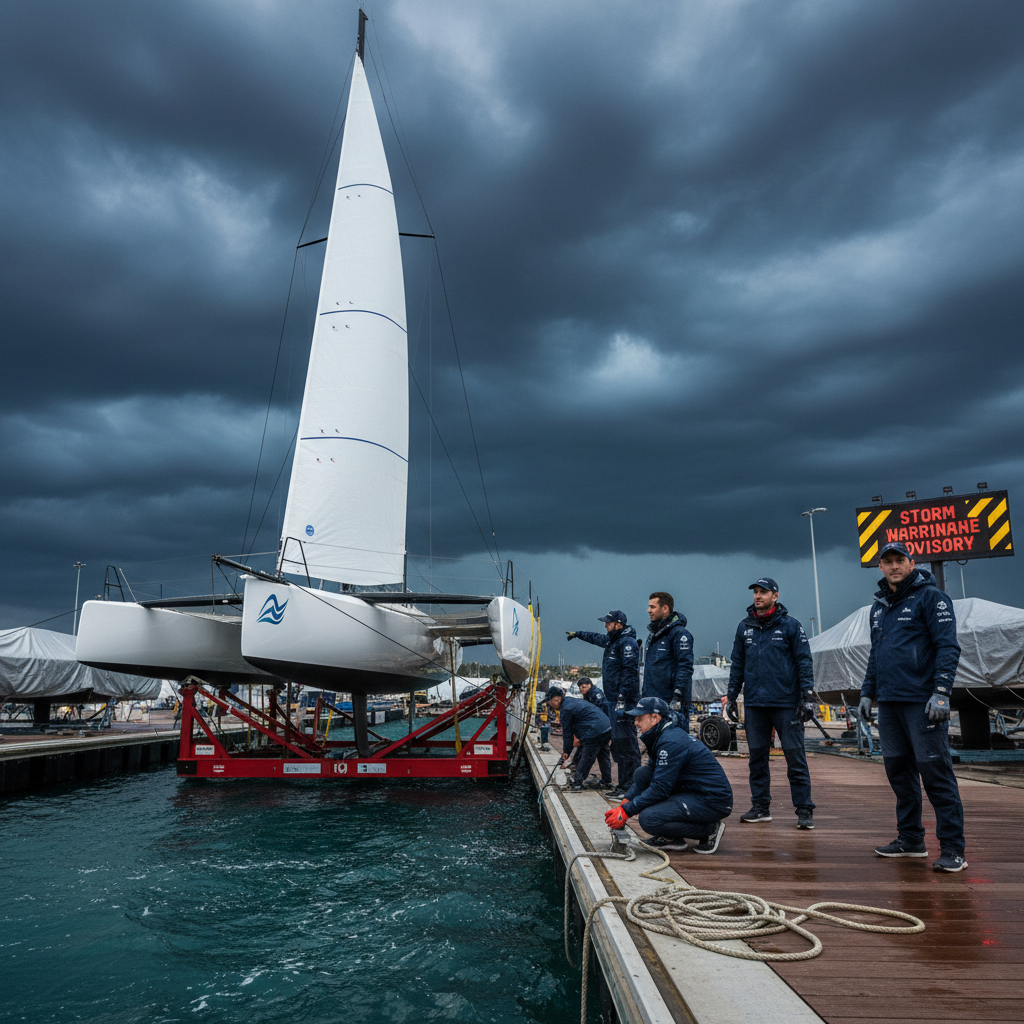
The Atlantic basin, encompassing the Gulf and Caribbean, is a frequent battleground for competitive sailing, from the high-octane SailGP circuit to the early stages of The Ocean Race. Imagine a scenario where a developing 'Hurricane Arthur' or 'Tropical Storm Betty' threatens a critical leg of a grand prix event, or worse, impacts the logistics of an America's Cup team's pre-regatta training base. The financial implications alone, for campaigns often exceeding $100 million, are staggering. Insurance premiums, contingency plans for equipment like Southern Spars masts or North Sails inventories, and the safety of crew members – from Peter Burling to Ben Ainslie – become paramount.
Weather routing, already a sophisticated art involving GRIB files and intricate algorithms, takes on an entirely new dimension when a named storm enters the forecast. Teams like Emirates Team New Zealand or INEOS Britannia, with their advanced meteorological units, are not just looking at wind shifts and tidal gates; they're tracking storm trajectories, projected intensity, and potential for rapid intensification. The decision to reroute, to postpone, or even to evacuate a shore base can hinge on these forecasts. As we've seen with past seasons, the increasing frequency and intensity of these systems demand respect and foresight. The 2026 names are out; the chess game against the elements has already begun.