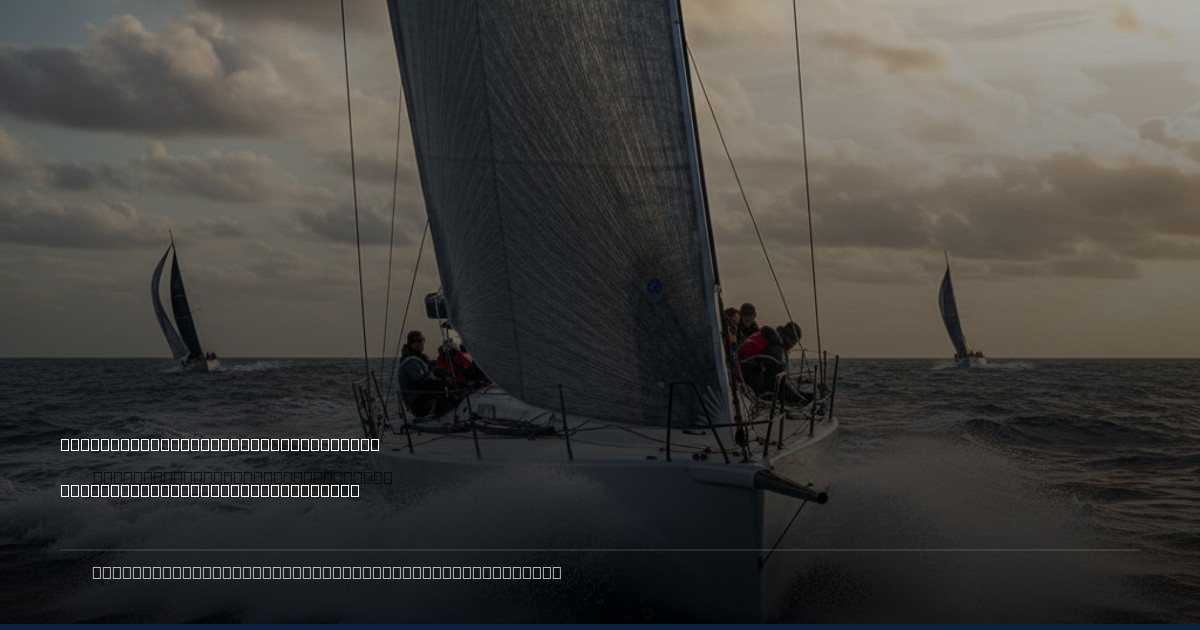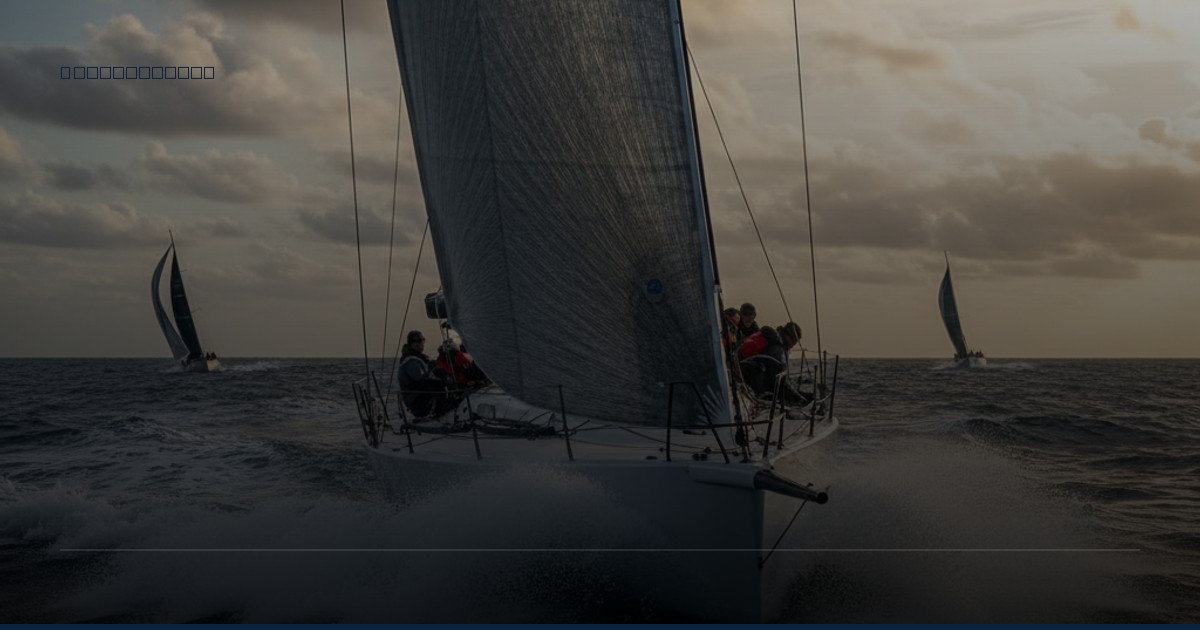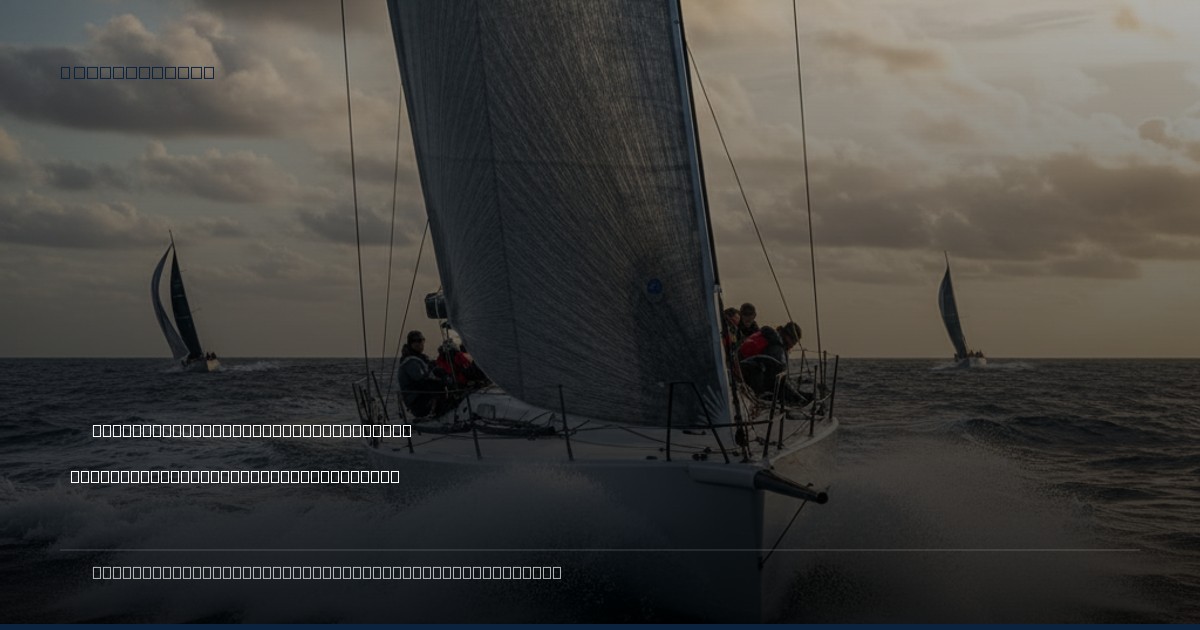
The Bay of Palma, usually a sun-drenched crucible for Olympic hopefuls, has donned a surprisingly stark winter cloak. With a dusting of snow gracing the Tramuntana peaks and a forecast that reads like a navigator's nightmare, the 1,100 sailors from 62 nations gathered for this pivotal regatta are bracing for a bone-chilling battle, not just against their competitors, but against the elements themselves.
The usual reliable sea breeze, the 'Embat', is nowhere to be seen. Instead, the meteorologists are predicting a week dominated by strong, yet notoriously shifty northerly winds. This isn't just about raw power; it's about the insidious dance of the wind as it spills over the mountains, creating unpredictable gusts and lulls that can make or break a race. For classes like the ILCA 7 and 6, where every puff and header is magnified, and for the Nacra 17s and 49ers, where foiling stability becomes a high-stakes gamble, the tactical demands will be immense.
This isn't just a physical challenge; it's a mental one. The cold, the relentless wind shifts – it all conspires to wear down even the most seasoned campaigners. We've seen similar conditions in past Olympic cycles, often separating the contenders from those merely making up the numbers. Sailors will be meticulously studying the local microclimates, looking for those subtle clues that hint at the next shift. The ability to read the water, to anticipate the pressure lines, and to execute flawless boat handling in these conditions will be paramount. Expect to see some truly gritty performances as these athletes vie for crucial Olympic qualification points, knowing that every inch gained on the Bay of Palma could be a step closer to Paris.