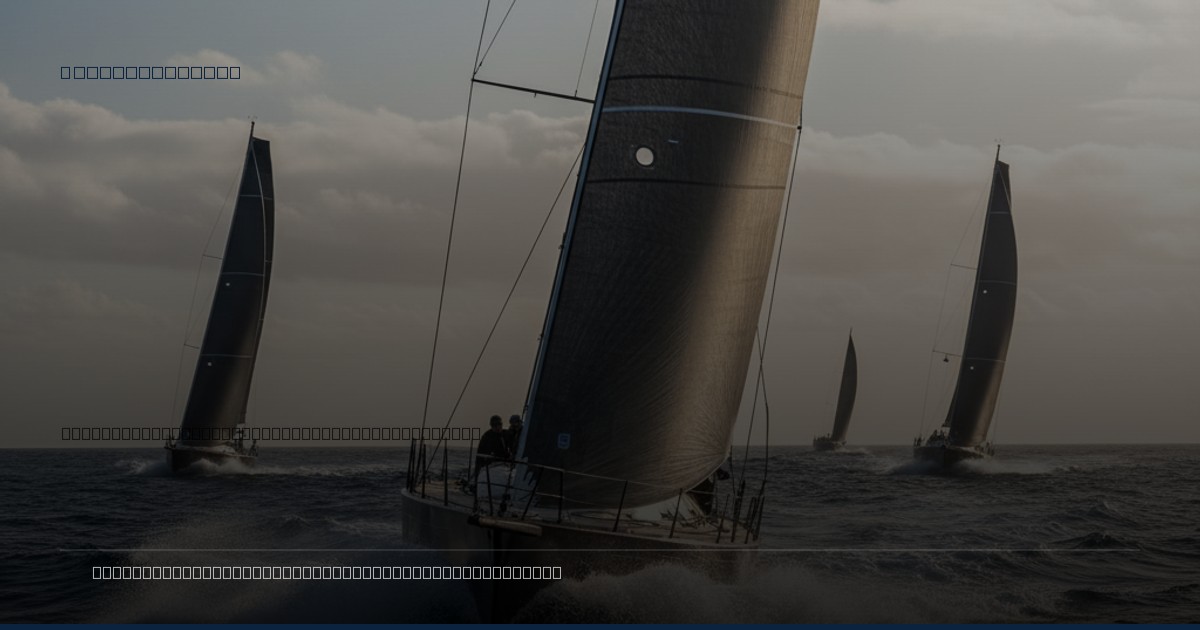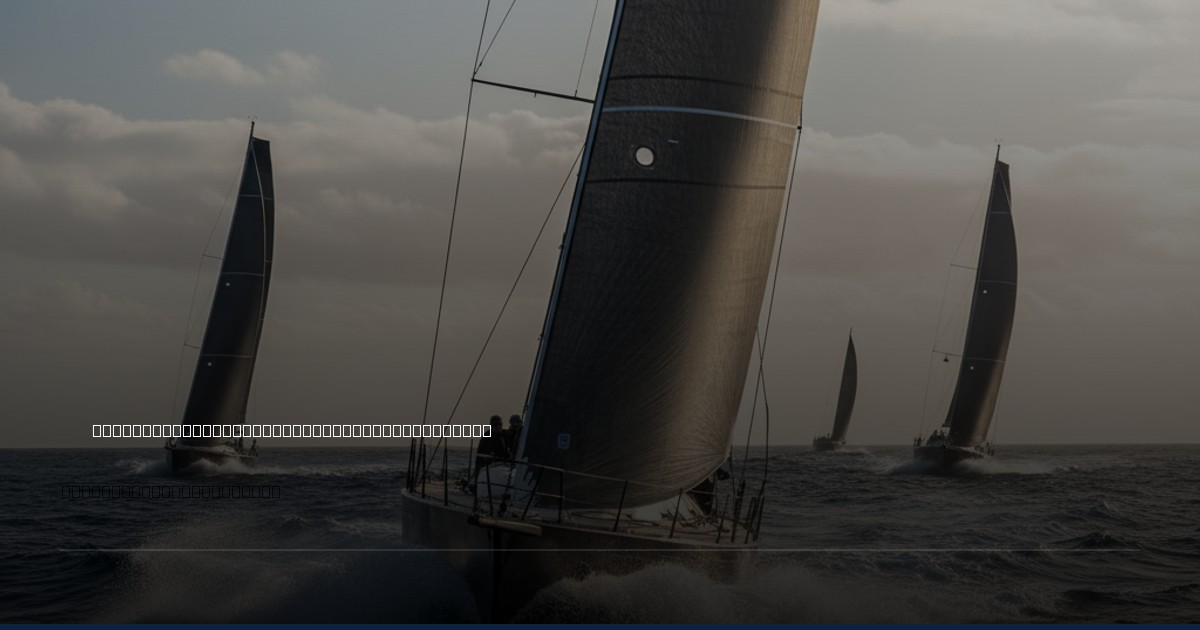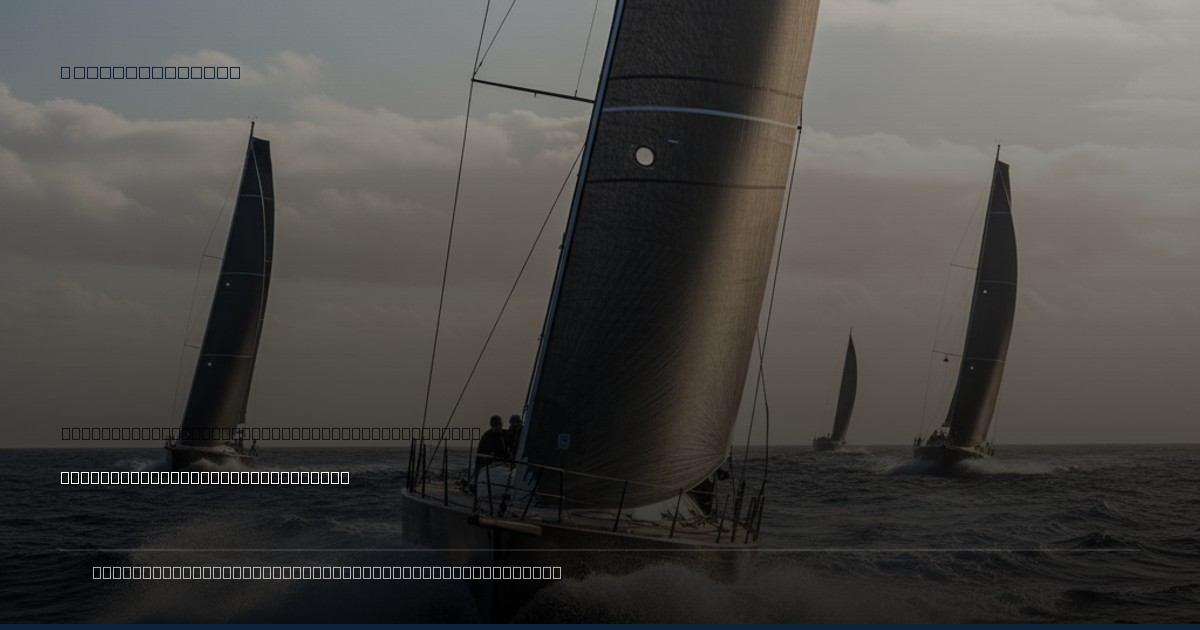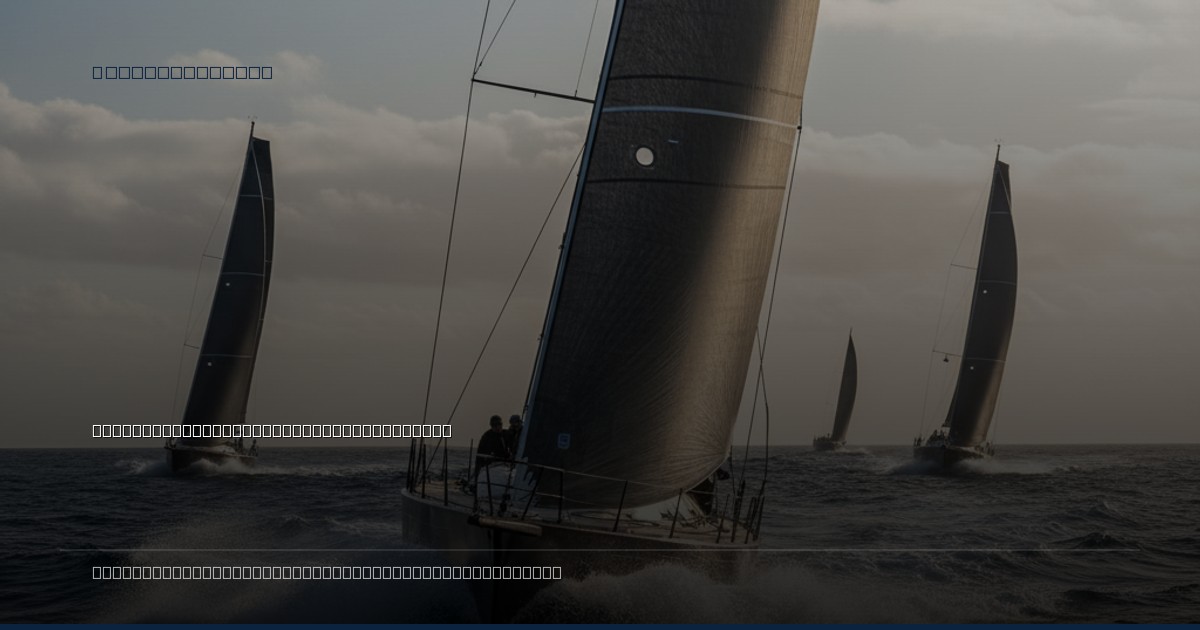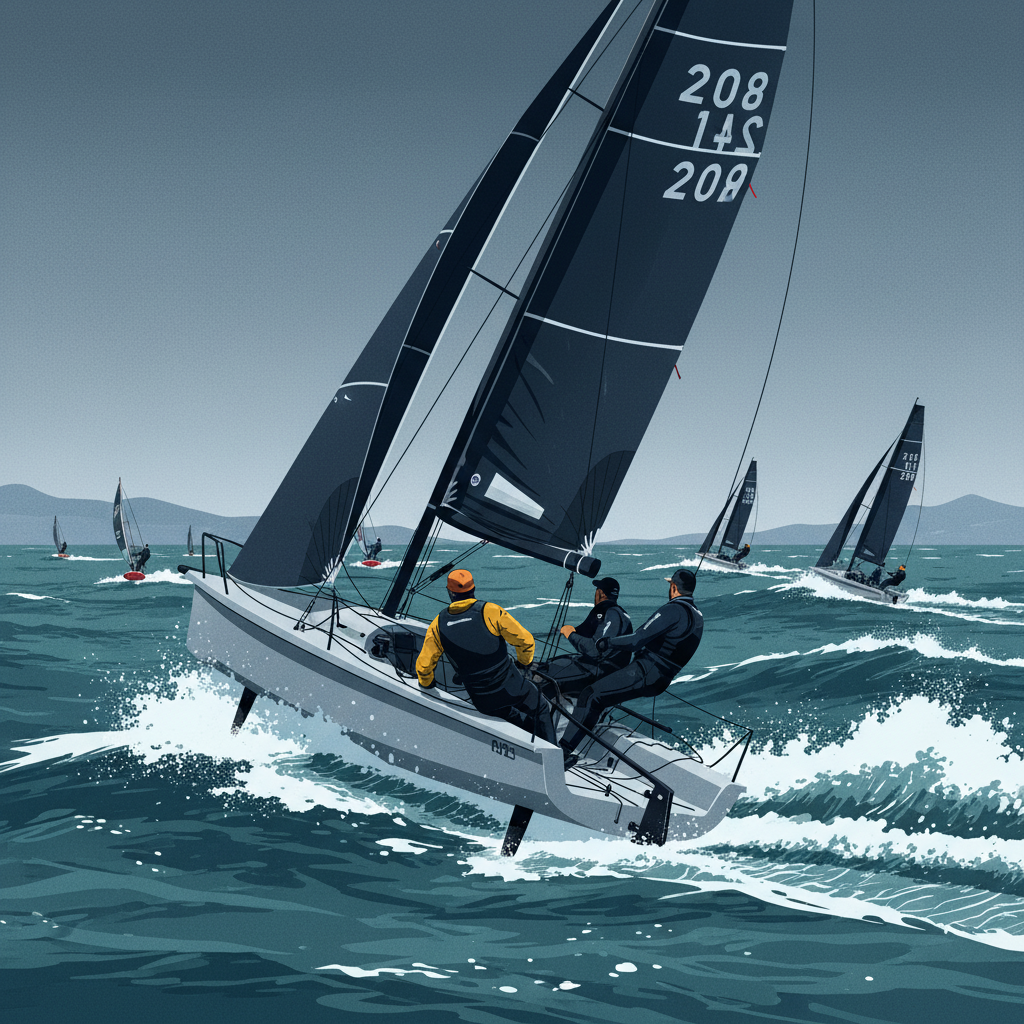
The idyllic turquoise waters of Palma, Mallorca, typically conjure images of sun-drenched racing and predictable sea breezes. Not this week. With snow dusting the peaks of the Tramuntana mountains, a stark warning has been issued to the 1,100 Olympic sailors gathered for what promises to be a truly punishing regatta.
The forecast for strong, shifty northerly winds isn't just a weather report; it's a tactical gauntlet. These are the conditions that separate the contenders from the pretenders, where a slight shift in a 20-knot puff can mean the difference between a medal race berth and a long, cold trip back to the dock. We're not talking about the consistent, thermal-driven winds that favor raw boat speed. This is about acute awareness, quick decisions, and the ability to read a constantly evolving racecourse.
For the ILCA (formerly Laser) and 470 fleets, in particular, the physical demands will be immense. Hiking straps will be strained, and the ability to depower quickly will be paramount. The F50s of SailGP thrive on consistent breeze, but these Olympic classes, with their soft sails and more traditional rigs, will be pushed to their absolute limits. Expect to see the top teams, those who have invested heavily in winter training in similar conditions, rise to the occasion. This isn't just about sailing fast; it's about sailing smart, staying warm, and enduring the bone-chilling challenge that Palma has unexpectedly thrown their way. The path to Paris 2024 just got a whole lot icier.