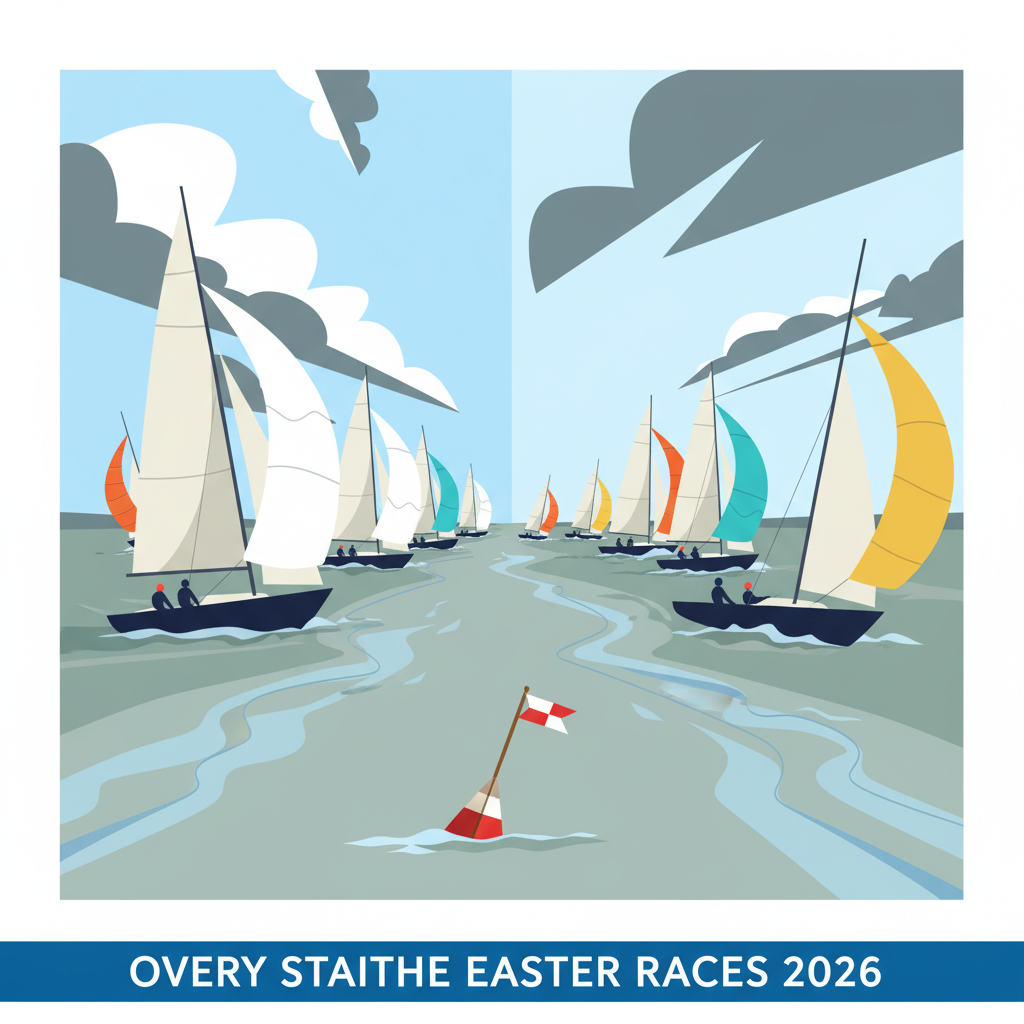
The venerable Overy Staithe, a name synonymous with classic dinghy racing and the proving ground for many a future Grand Prix talent, once again played host to its traditional Easter Races. While not the glittering spectacle of a SailGP event or the high-stakes drama of an America's Cup challenger series, this early-season regatta, as reported by Sail-World.com, offered a compelling, if localized, blueprint for the competitive sailing landscape of 2026.
The sheer volume of boats and sailors descending upon the creek is, in itself, a testament to the enduring allure of the sport. But it was the 'very varied conditions' that truly caught the eye. For those of us who've navigated the capricious waters of the Solent or wrestled with the Doldrums, these early season shakedowns are invaluable. They're where sail plans are refined, new crew dynamics are forged, and the subtle art of reading localized wind shifts and tidal gates is honed – skills that translate directly to the high-pressure environments of a Peter Burling or a Ben Ainslie.
Imagine the debriefs: discussions on whether that new North Sails jib cut performed as expected in the chop, or if the Harken blocks held up under sustained load during a gusty beat. These seemingly small details, replicated across countless club races globally, are the foundational layers upon which the multi-million dollar campaigns of Emirates Team New Zealand or Luna Rossa are ultimately built. Overy Staithe, in its unassuming way, has once again provided a vital early-season barometer, hinting at the tactical challenges and technical innovations that will define the 2026 sailing calendar.