The roar of the crowd, the sudden shifts in momentum, the brutal finality of a single-elimination bracket – March Madness, as Craig Leweck of Scuttlebutt rightly points out, is a spectacle of elite team superiority. But for those of us who live and breathe the relentless pursuit of speed and precision on the water, there’s a deeper resonance to the drama unfolding on the hardwood.
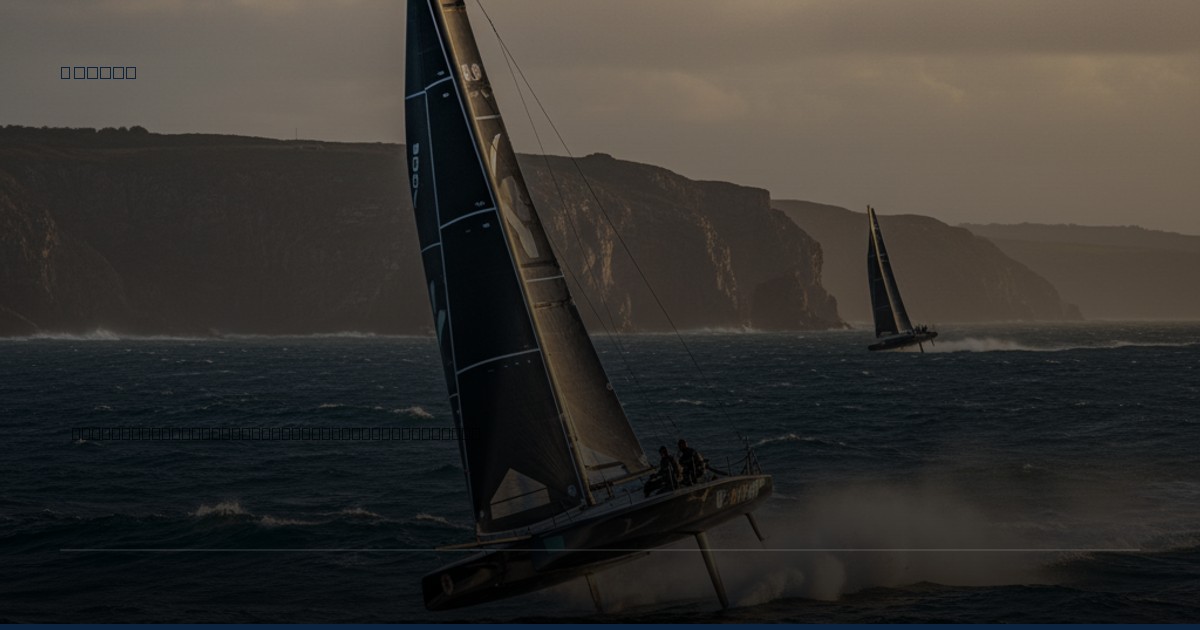
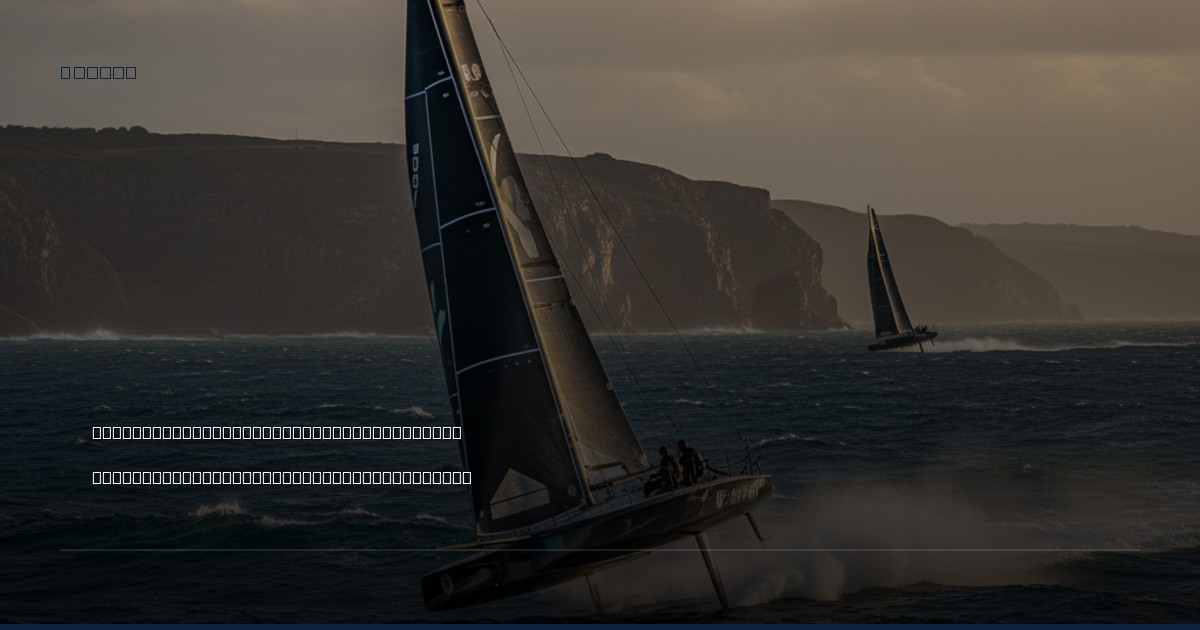
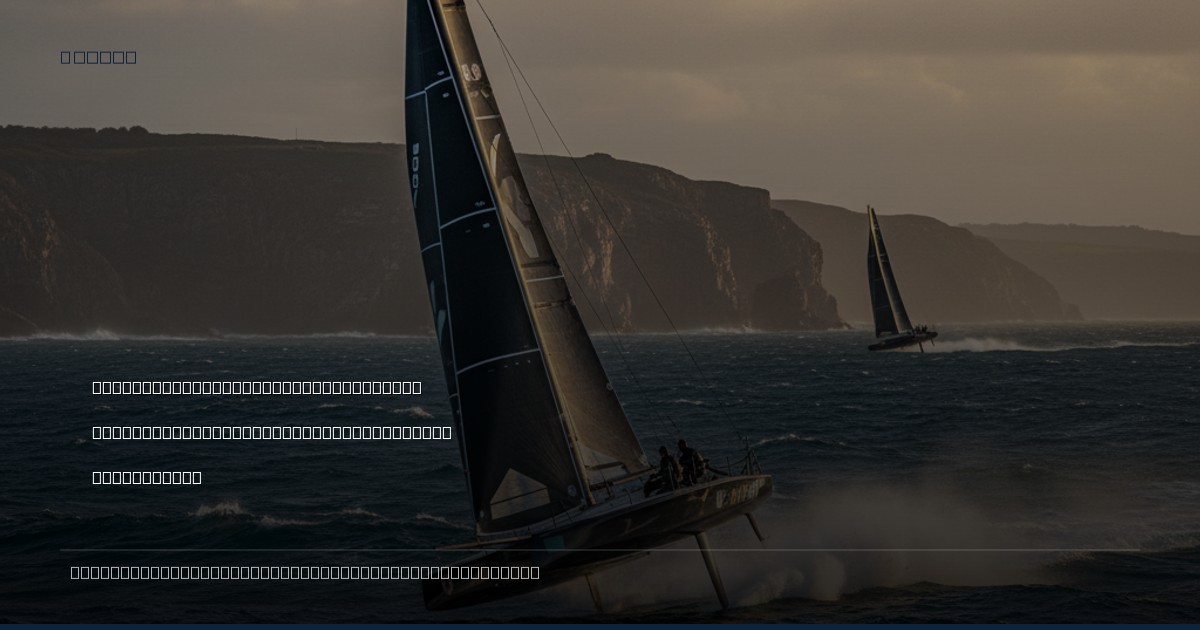
Consider the transition from 68 teams to a mere Sweet Sixteen. This isn't just about athletic prowess; it's about strategic execution under immense pressure. Sound familiar? Think of the America's Cup, where a single tactical misstep, a missed wind shift, or a poorly executed maneuver at a tidal gate can unravel years of R&D, millions in investment, and the dreams of an entire nation. Emirates Team New Zealand didn't dominate with just raw boat speed; their mastery of the AC75's foiling dynamics and their almost telepathic communication were paramount.
In both arenas, the 'Madness' often boils down to the fine margins. A well-timed substitution in basketball mirrors a perfectly executed sail change or a crucial decision to go for a 'high-risk, high-reward' gybe in a shifty breeze. The intricate playbooks of a championship basketball team are no less complex than the weather routing algorithms and wind strategy models that guide a The Ocean Race crew through the Southern Ocean. The precision demanded of a point guard threading a pass through traffic is akin to a helmsman like Peter Burling or Ben Ainslie keeping their wing-sailed AC75 on the razor's edge of its polar diagram.
The 'elite team superiority' Leweck observes is not just about individual talent, but about the seamless integration of that talent into a cohesive unit. Whether it's the Harken winches humming in unison or the North Sails powering a grand prix yacht, or a team of athletes executing a complex offensive scheme, the principle remains the same: preparation, strategy, and flawless execution are the true arbiters of victory.