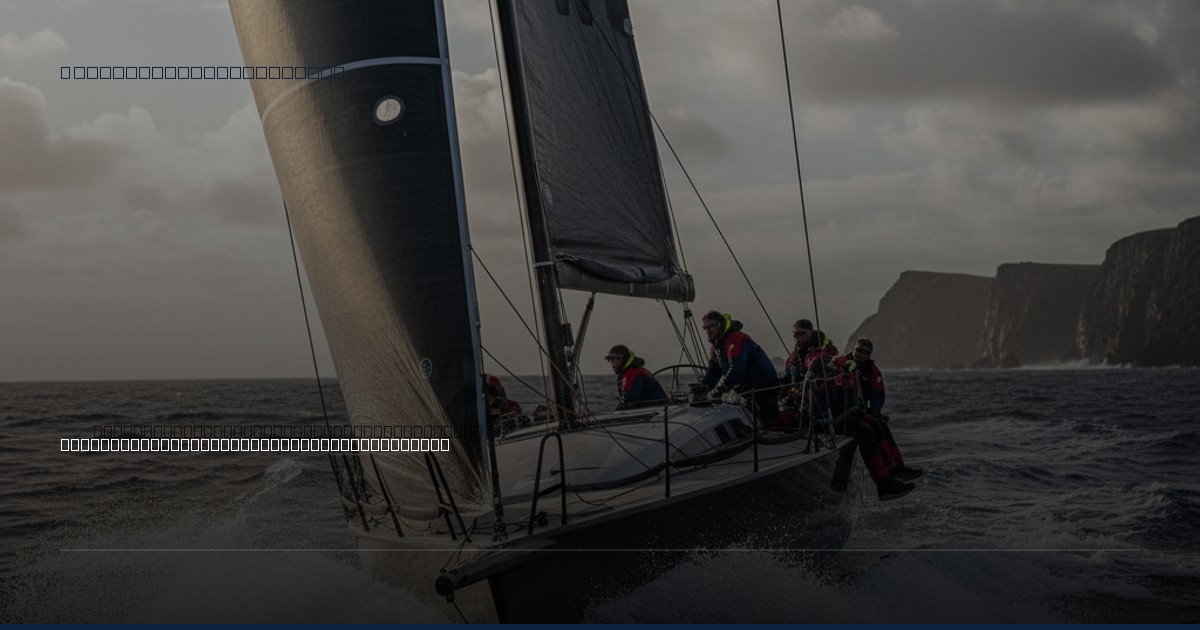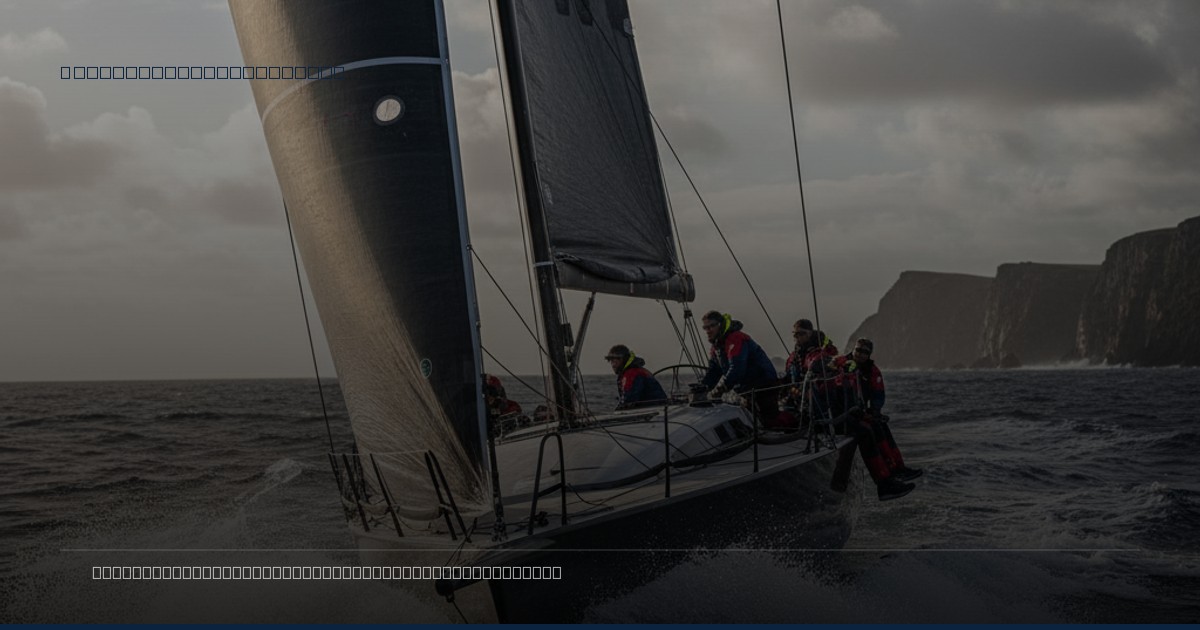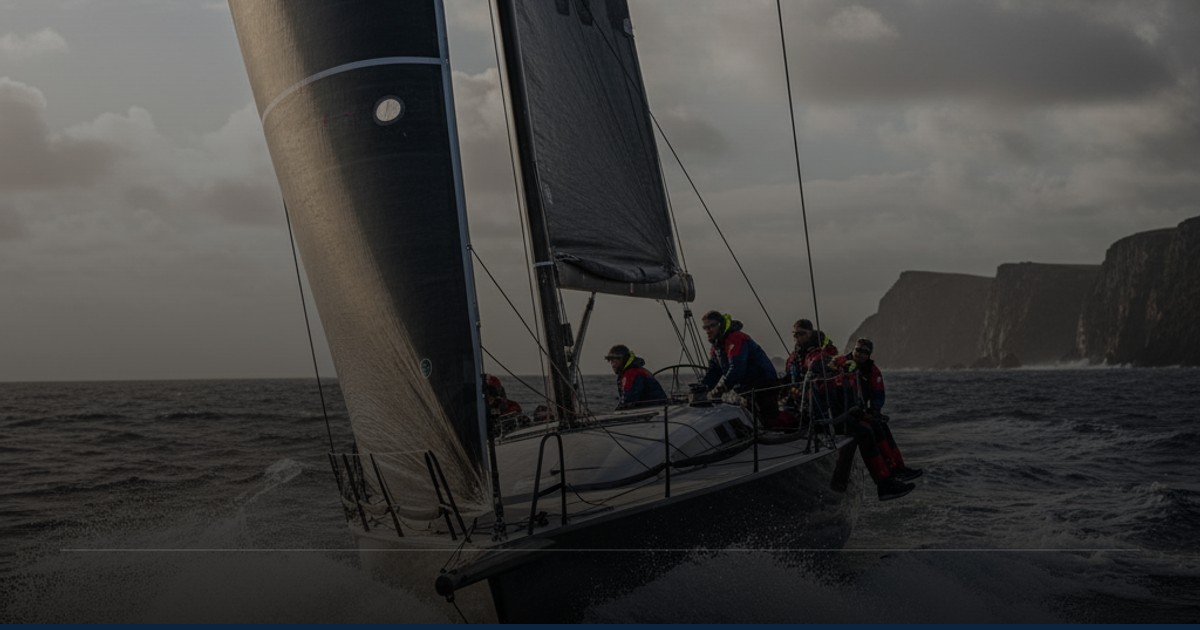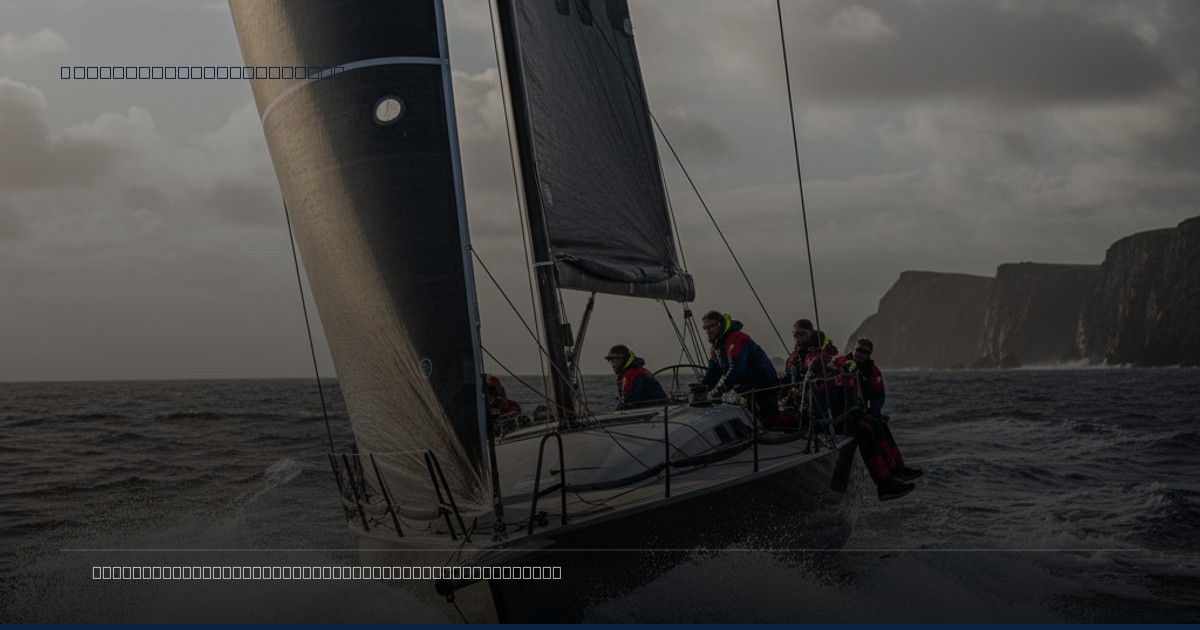
The 38th America's Cup cycle is still in its nascent stages, yet the contrasting scenes unfolding in Auckland and Cagliari offer a potent glimpse into the high-stakes world of modern Cup sailing. On the inner Hauraki Gulf, Emirates Team New Zealand (ETNZ) has been quietly, meticulously grinding out the hours on their AC75, a testament to the relentless pursuit of performance that defines this syndicate. Their second day on the water was by all accounts a long one, a critical period for data acquisition and systems validation, undoubtedly overseen by the likes of Peter Burling and Blair Tuke, fine-tuning everything from foil cant angles to wing sail trim.
Meanwhile, in the blustery conditions off Cagliari, the British outfit, Athena Racing, delivered the first significant 'event' of the 38th Cup cycle, albeit in an AC40. Their capsize, described vividly as 'tip-trucking,' serves as a stark, if somewhat predictable, reminder of the fine line between control and chaos on these high-performance foiling machines. While the AC40s are designed for accessibility and youth development, they are still incredibly powerful platforms, and even seasoned sailors can be caught out by a sudden gust or an errant wave. This incident, while likely a minor setback for Athena Racing, underscores the technical demands and inherent risks that define this new era of Cup racing, whether it's an AC40 or the full-fat AC75.