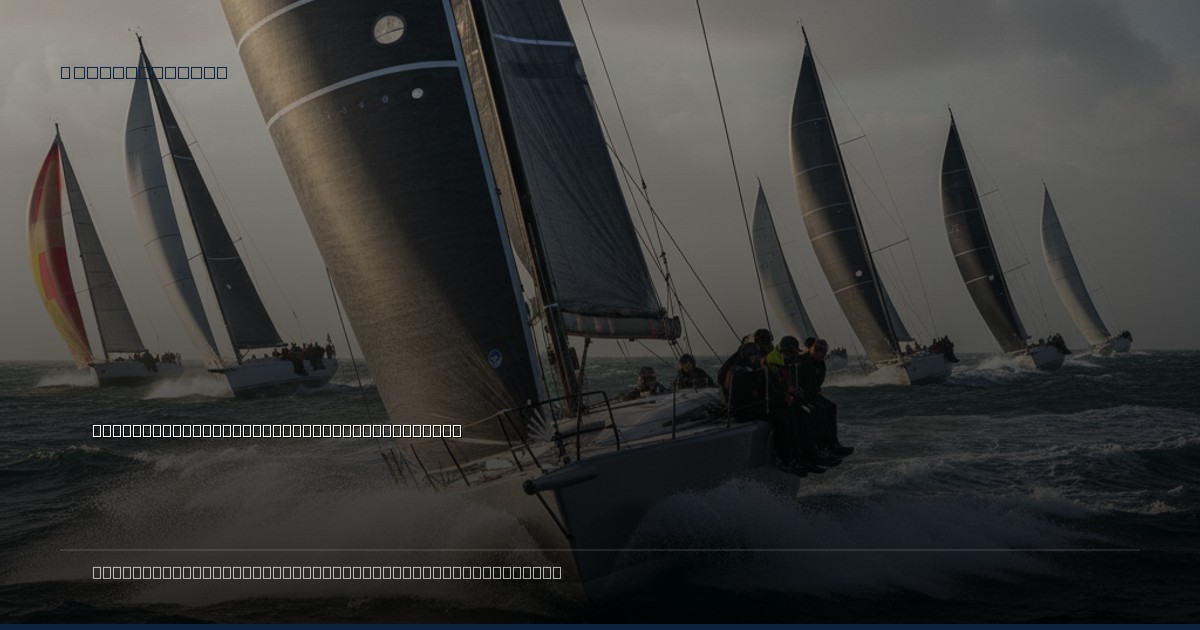
The recent NCAA Division I Men’s Basketball Tournament, culminating in a nail-biting Elite Eight, offered a stark reminder of the sheer, unadulterated madness that defines top-tier competition. From Purdue’s gritty triumph over Texas to the epic showdown between UConn and Duke, the parallels to our world of competitive sailing are undeniable. The sudden-death format, the razor-thin margins, the strategic brilliance, and the sheer athleticism required to prevail – it’s all there, just with more carbon fiber and less squeaking sneakers.
Consider the America's Cup, where a single tactical misstep, a Harken winch malfunction, or a misjudged wind shift can send a multi-million dollar campaign spiraling. Think of Emirates Team New Zealand's relentless pursuit of perfection, mirroring UConn’s dominance, or the audacious gambles taken by Luna Rossa, akin to a last-second three-pointer. The pressure on Peter Burling or Jimmy Spithill in a Cup match is every bit as intense as a point guard with the game on the line.
Then there's SailGP, with its gladiatorial, high-speed foiling F50s, where one wrong move at 50 knots can end a regatta. Tom Slingsby’s Australian team consistently demonstrates the kind of sustained excellence seen in a perennial basketball powerhouse. The Ocean Race, too, with its relentless offshore grind, demands a mental fortitude that echoes a team battling through overtimes. The 'madness' isn't just confined to the court; it's the very essence of what makes competitive sailing so captivating for those who understand its intricate dance with nature and technology. To be the best, whether on hardwood or high seas, demands a unique blend of talent, strategy, and an unwavering will to win.