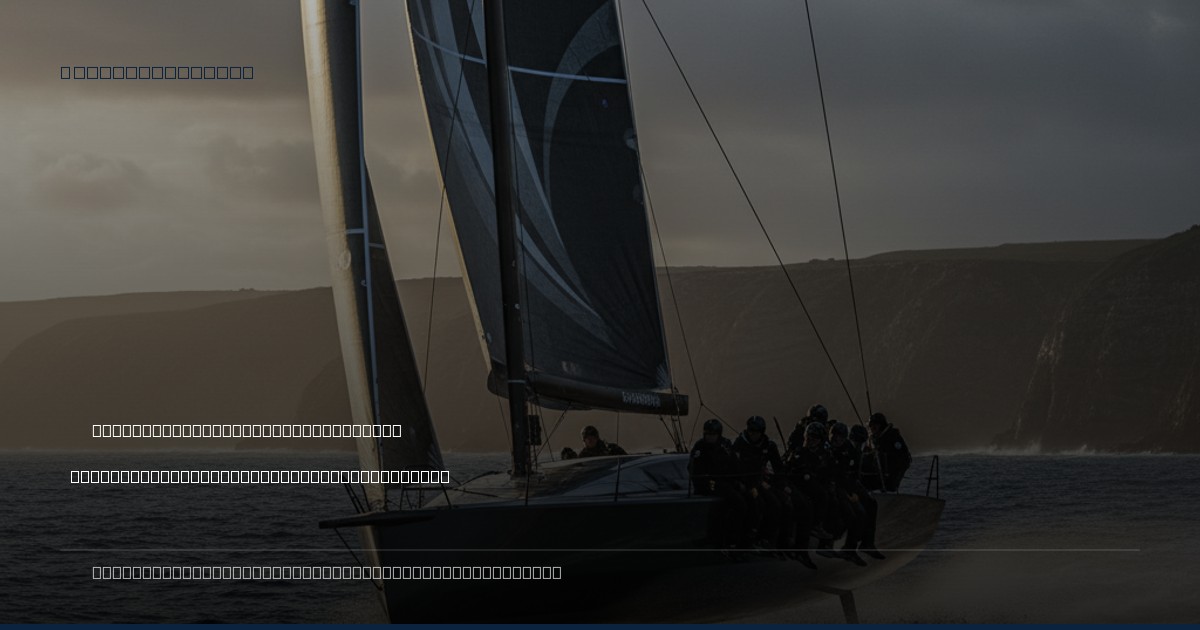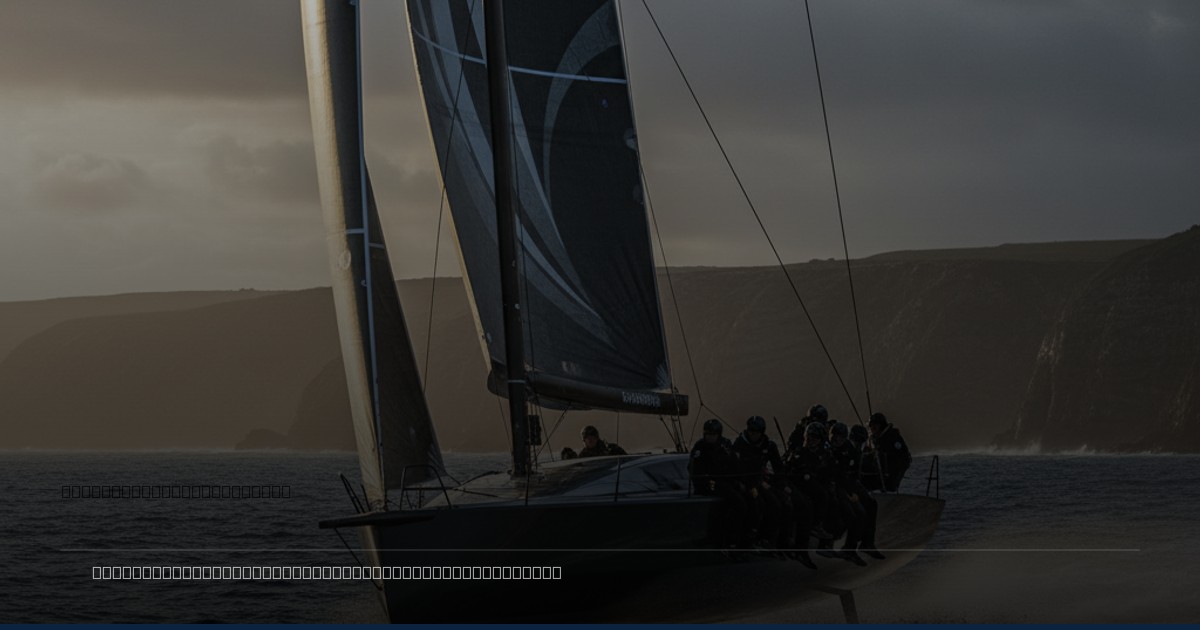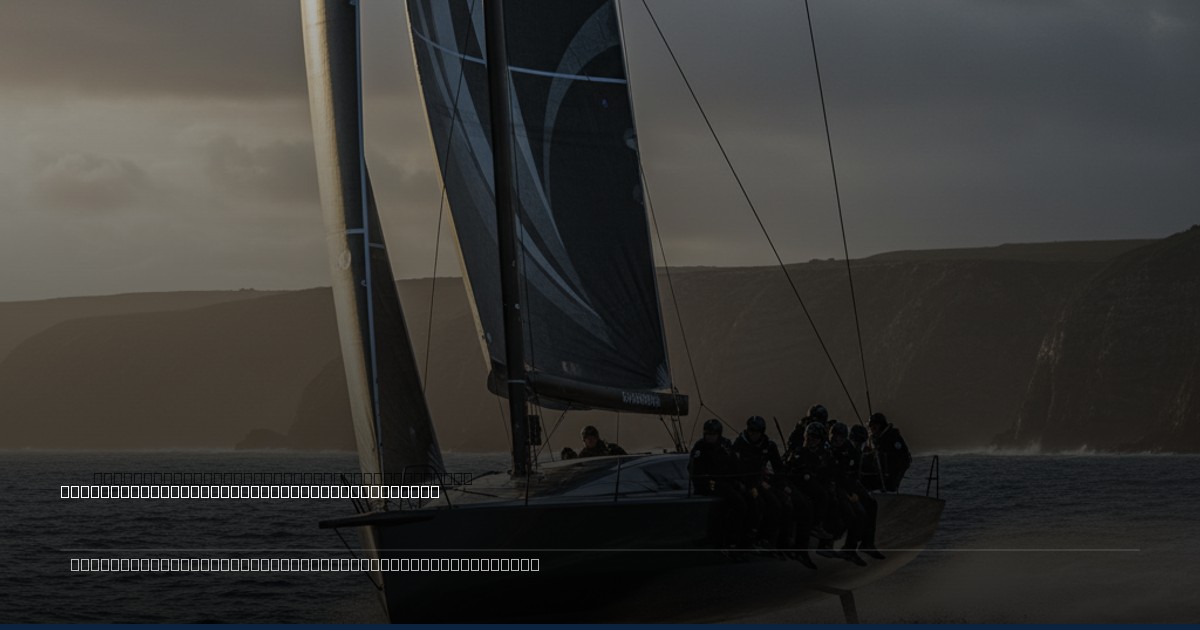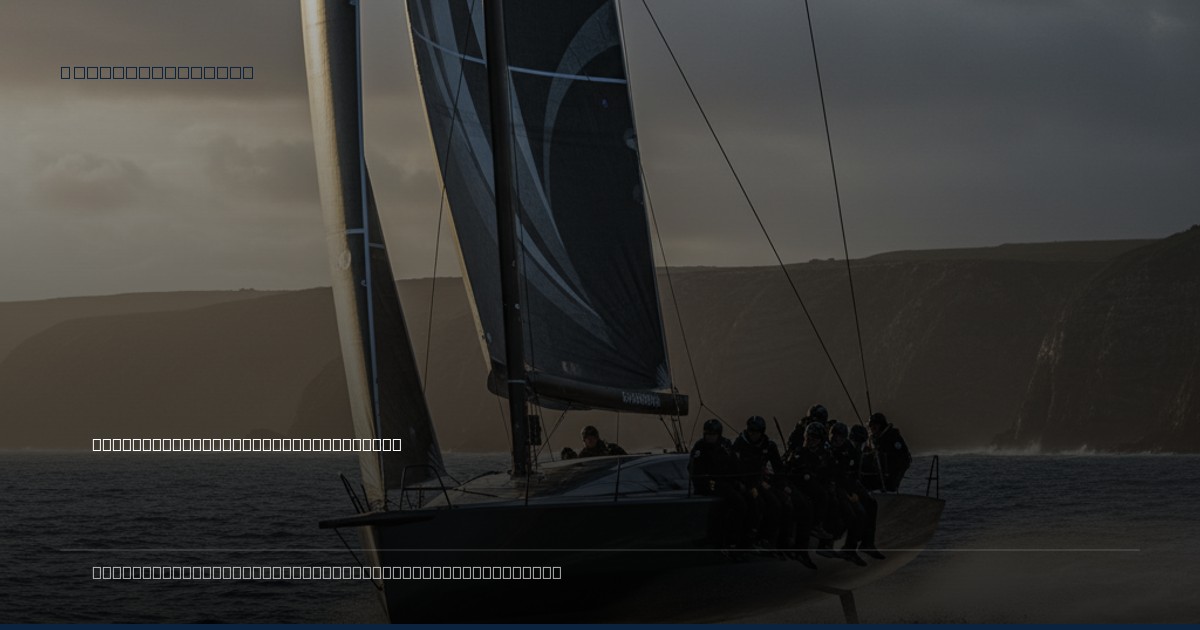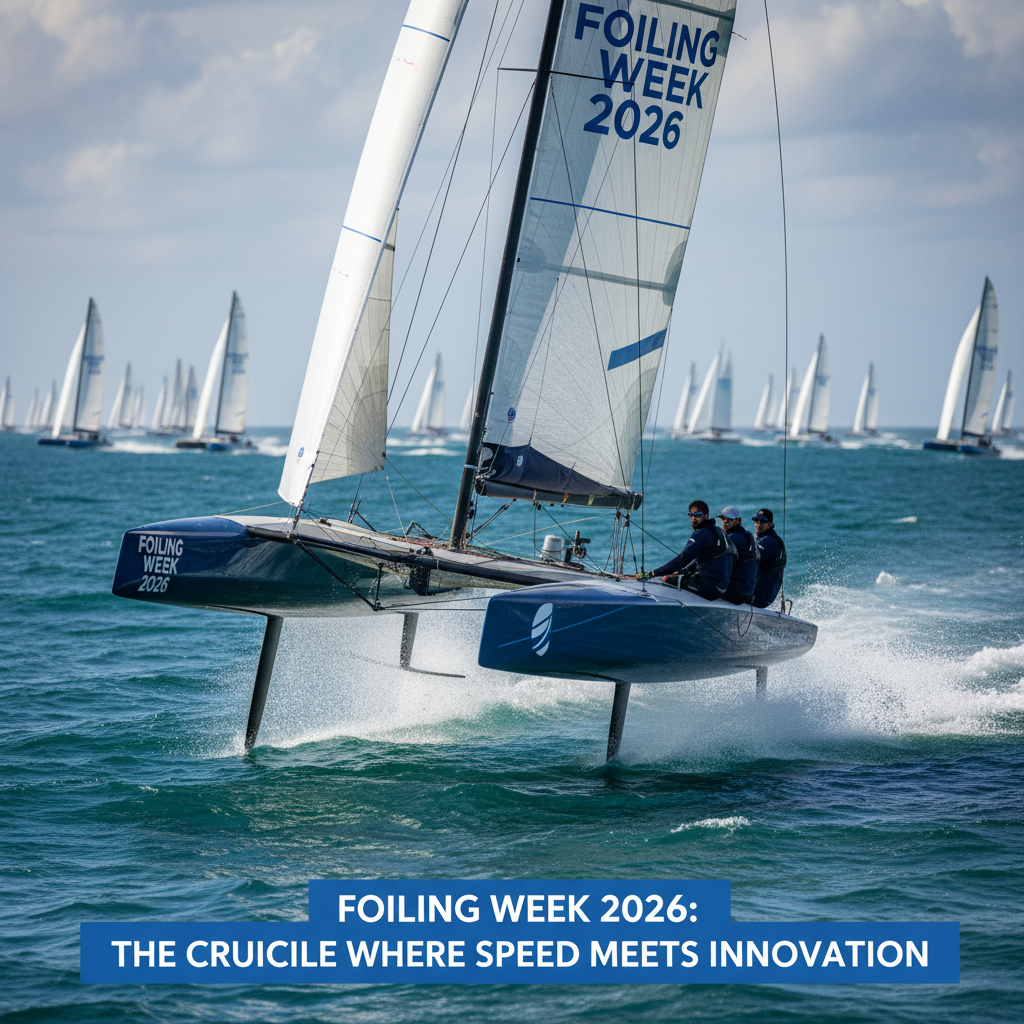
The sailing world, ever-hungry for speed and technological advancement, turns its gaze once more to Foiling Week. With entries now officially open for the 2026 edition, this seminal event solidifies its position not just as a regatta, but as the intellectual heart of the foiling revolution.
From the America's Cup AC75s to the Moth and Waszp fleets, foiling has irrevocably altered the landscape of competitive sailing. Foiling Week, as Sail-World rightly notes, is the leading platform for technical exchange, a veritable symposium where the brightest minds in marine engineering, naval architecture, and competitive sailing converge. It's where the lessons learned from a challenging Southern Ocean leg of The Ocean Race, or the nuanced wing-sail adjustments on an AC75, are dissected and debated.
For the uninitiated, this isn't merely about watching boats fly. It's about understanding the hydrodynamics of a T-foil, the intricate control systems that manage pitch and roll, and the material science behind ultralight, ultra-strong composite structures. It's where the Harken engineers might rub shoulders with the Southern Spars designers, and where the next generation of Peter Burling or Tom Slingsby might glean insights that will define their careers.
The business of foiling is as complex as its physics. The multi-million dollar campaigns of teams like INEOS Britannia and Luna Rossa hinge on marginal gains, often born from the very discussions and innovations fostered at events like Foiling Week. It’s a critical juncture for the industry, a place where the future of sailing, from Olympic classes to the grand prix circuit, is not just envisioned, but actively engineered.