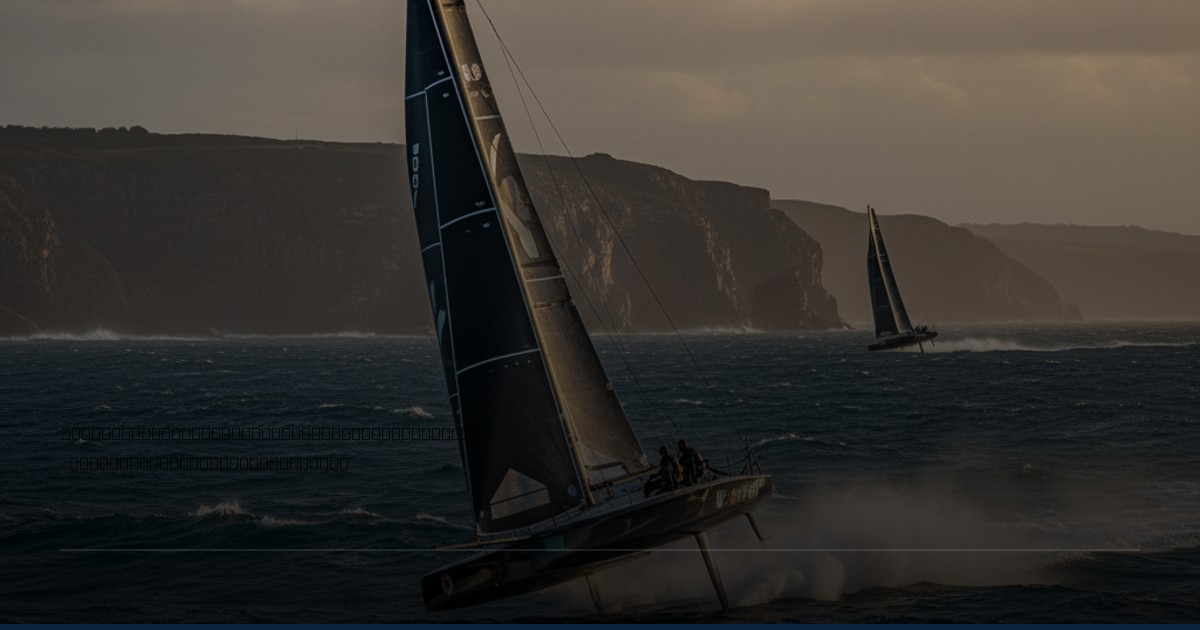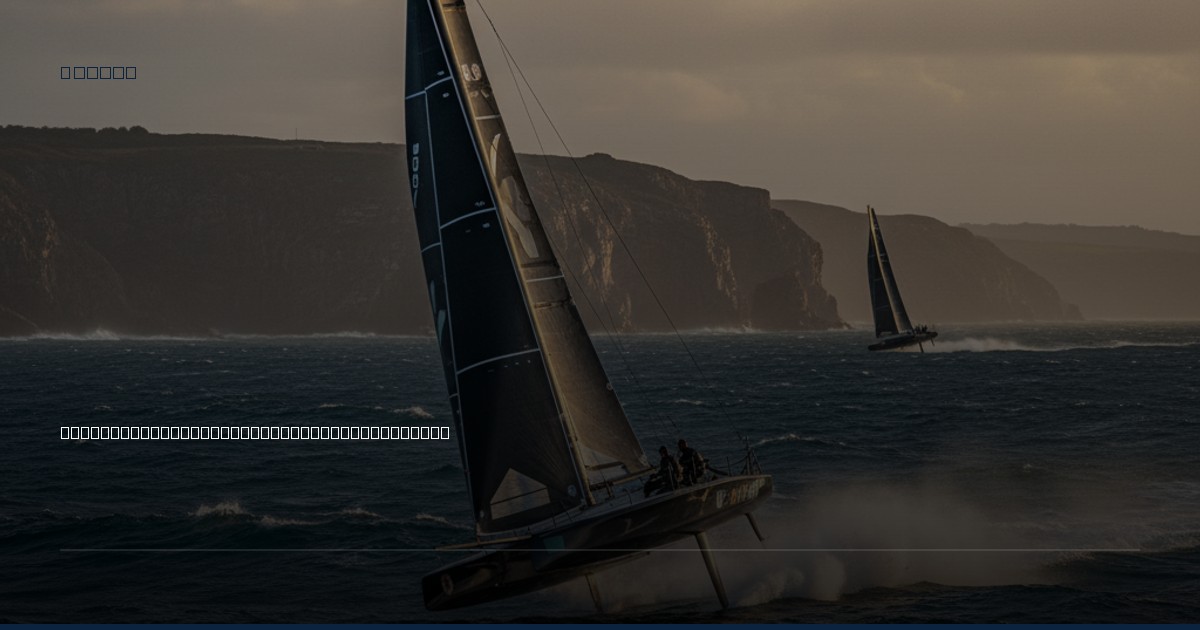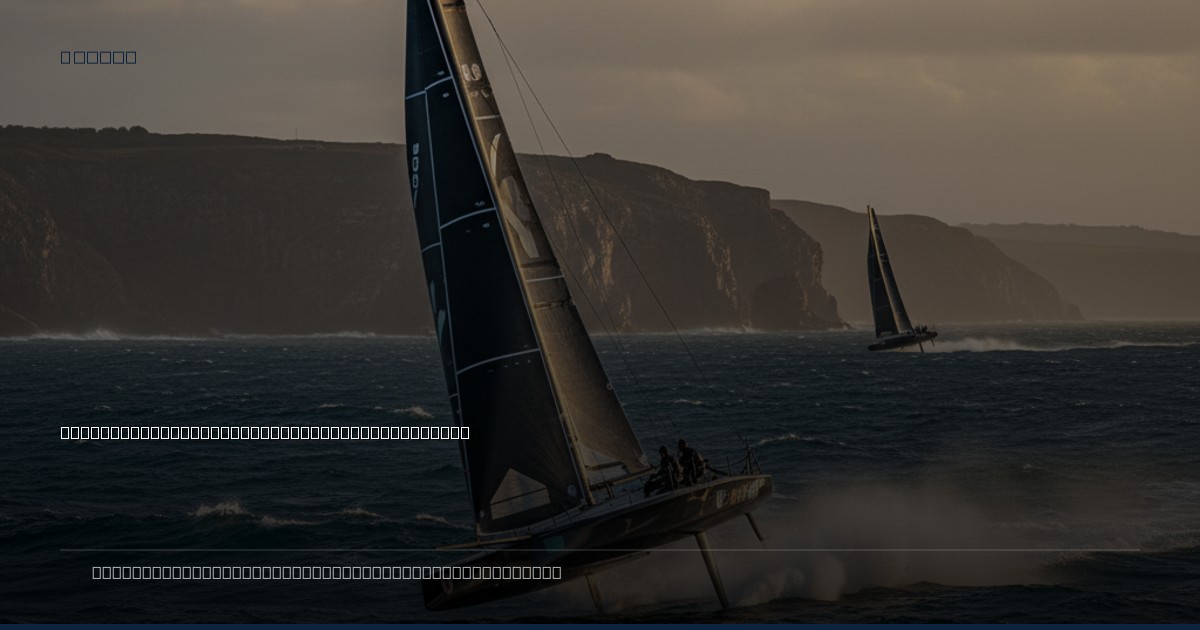
The high-octane world of SailGP, with its screaming F50 catamarans and gladiatorial short-course racing, has undeniably captivated audiences. Yet, beneath the surface of televised glory, a significant challenge has persisted: the scarcity of F50-specific talent. These carbon-fiber beasts, propelled by their towering wing sails and demanding precise, high-speed foiling, are unlike anything else afloat, leaving a substantial gap in the traditional sailing development pathway.
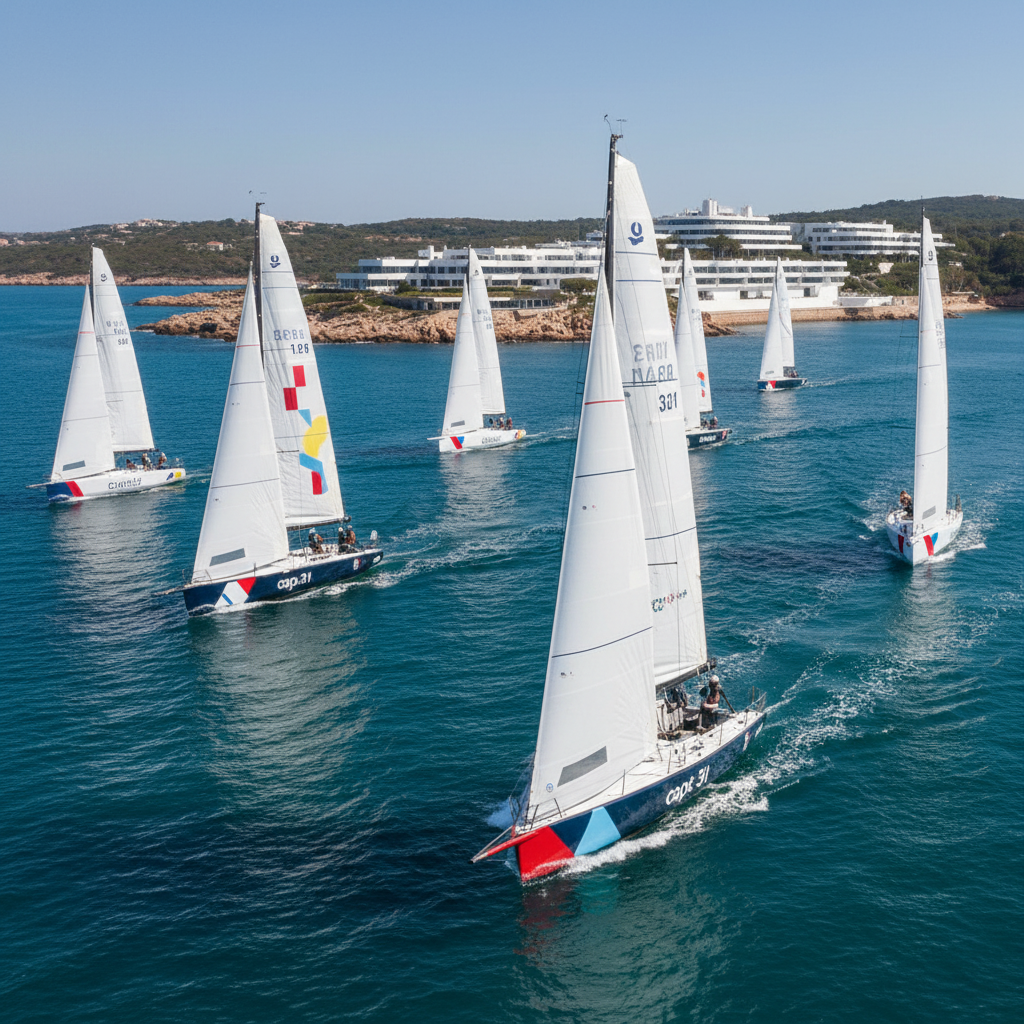
Now, whispers from the Pensacola News Journal suggest a concrete solution is advancing: a SailGP 'minor league.' CEO Russell Coutts, ever the pragmatist and visionary, is reportedly eyeing Pensacola, Florida, as a potential hub for this development circuit. The concept involves 25-to-30-foot foiling monohulls or catamarans – a more accessible, yet still technically demanding, platform to bridge the chasm between conventional grand prix sailing and the F50.
This initiative isn't merely about finding new helmsmen; it's about upskilling the entire crew. From flight controllers to grinders, the F50 demands a specific blend of athleticism, technical understanding, and split-second decision-making. Imagine a young sailor, perhaps fresh from an Olympic Nacra 17 campaign, honing their foiling maneuvers, understanding dynamic wind shifts on a smaller, more forgiving platform. This 'farm system' approach, common in professional sports, is long overdue in top-tier foiling.
For SailGP to truly mature into a global sporting league, a robust talent pipeline is essential. Teams like Emirates Team New Zealand and INEOS Britannia have their deep pools of talent, but the league needs to cultivate its own. Pensacola, with its reliable breezes and burgeoning marine infrastructure, could indeed become the Cape Cod of foiling – a crucible where future champions are forged, ready to step onto the F50 stage with the confidence and precision required to tame these magnificent machines.