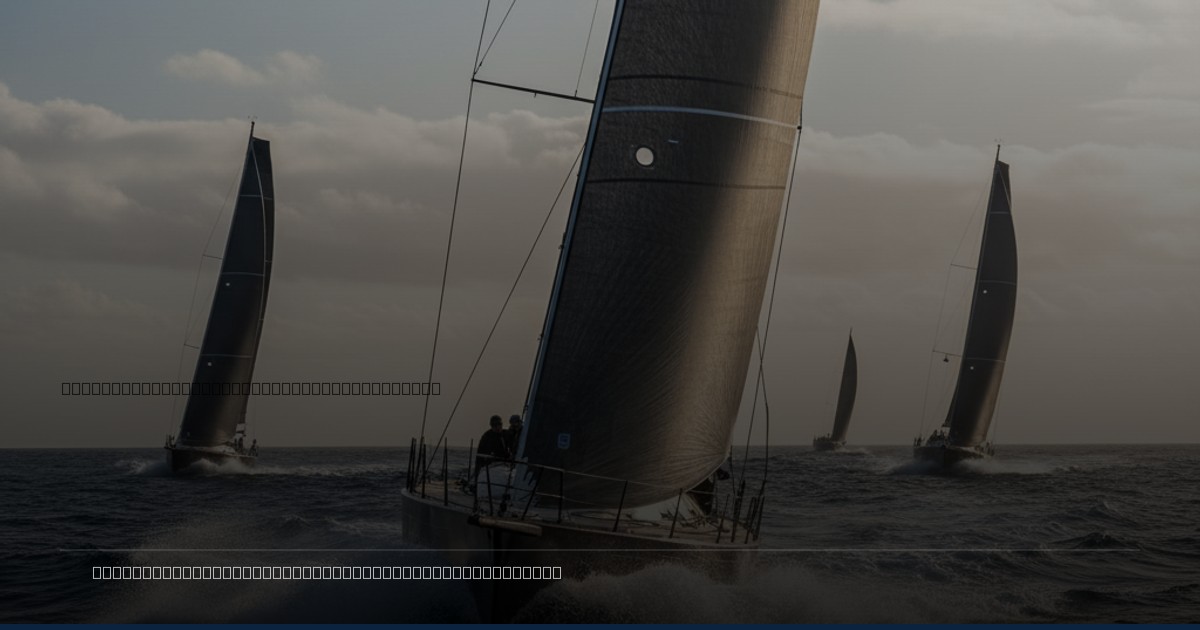
The salt-stained decks of competitive sailing have long been a crucible for ambition, but as Nikki Henderson astutely observes in Yachting World, the perceived 'ageing problem' isn't a dearth of passion, but a deficit of clear, actionable pathways for the next generation. This isn't about some inherent disinterest among young people; it's about the formidable barriers to entry in a sport that demands significant financial backing, specialized knowledge, and often, a network built over decades.
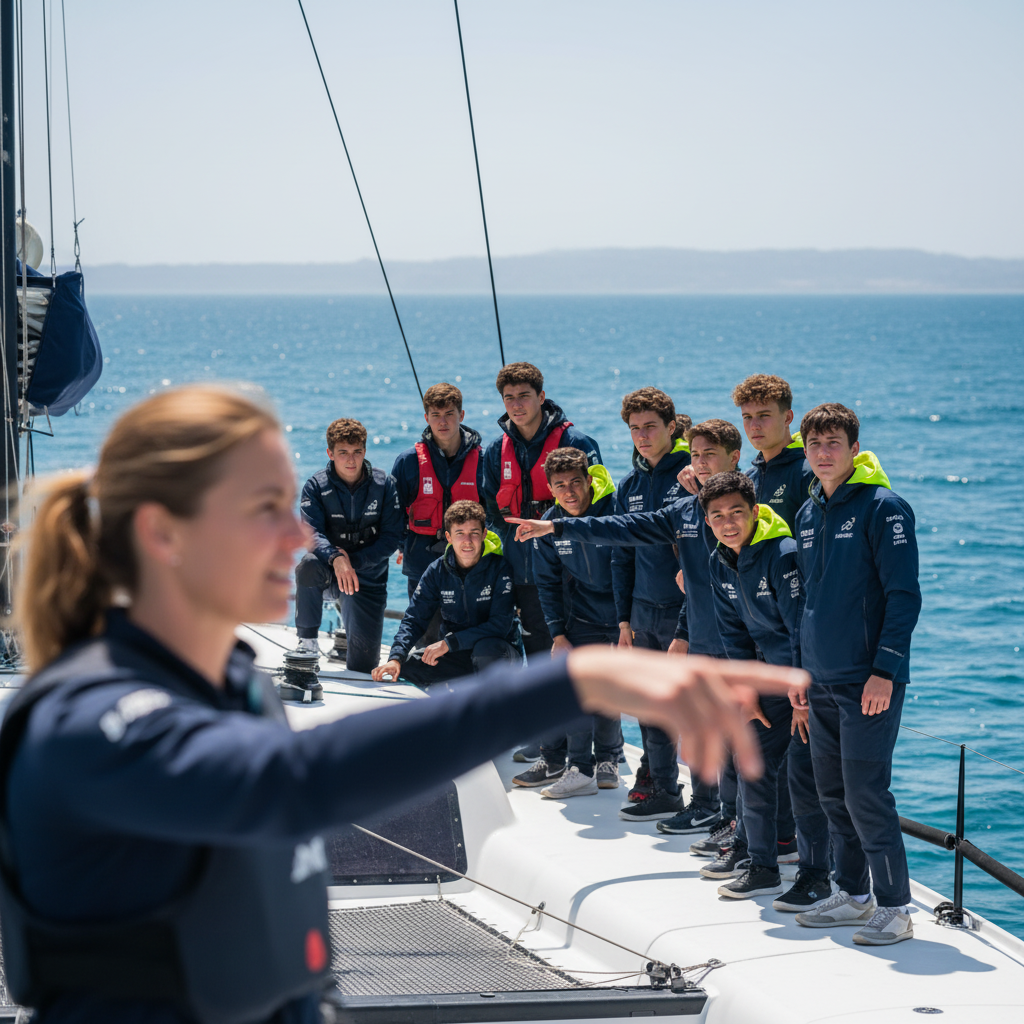
Her recent weekend with the RORC 2026 Griffin squad in Cowes offers a glimmer of hope, a tangible example of what's needed. Thirty young adults, all under thirty, gaining offshore racing experience on a Sunfast – this is precisely the kind of structured development that can bridge the chasm between aspiration and achievement. It’s not enough to simply say 'get involved'; we need programs that provide access to boats, mentorship from seasoned veterans who’ve navigated everything from the Fastnet to the Sydney Hobart, and opportunities to learn the nuances of weather routing, sail trim, and watch management that can only be honed through real-world miles.
Consider the multi-million dollar campaigns of the America's Cup or SailGP. While these spectacles inspire, they also highlight the immense resources required. For a young sailor eyeing a career beyond dinghies, the jump to grand prix racing, or even a competitive offshore program, can feel insurmountable. Initiatives like the RORC Griffin squad, or even the youth programs fostered by teams like Emirates Team New Zealand, are vital. They offer not just a ride, but a curriculum, a chance to work with top-tier gear from Harken winches to North Sails, and to understand the intricate dance between skipper, navigator, and boat. This isn't just about finding the next Peter Burling or Ben Ainslie; it's about ensuring the sport, at all its competitive levels, continues to thrive with fresh talent and innovative thinking.