In a sport increasingly dominated by youth academies and linear career trajectories, Brendan Casey's story is a refreshing counter-narrative, a testament to the enduring power of talent, tenacity, and the unconventional path. John Bertrand's recent 'Inside the Laylines' piece on Casey rightly highlights a career that, while perhaps not following the predictable arc of an Olympic medalist or America's Cup helmsman, has nonetheless been profoundly impactful and deeply meaningful.
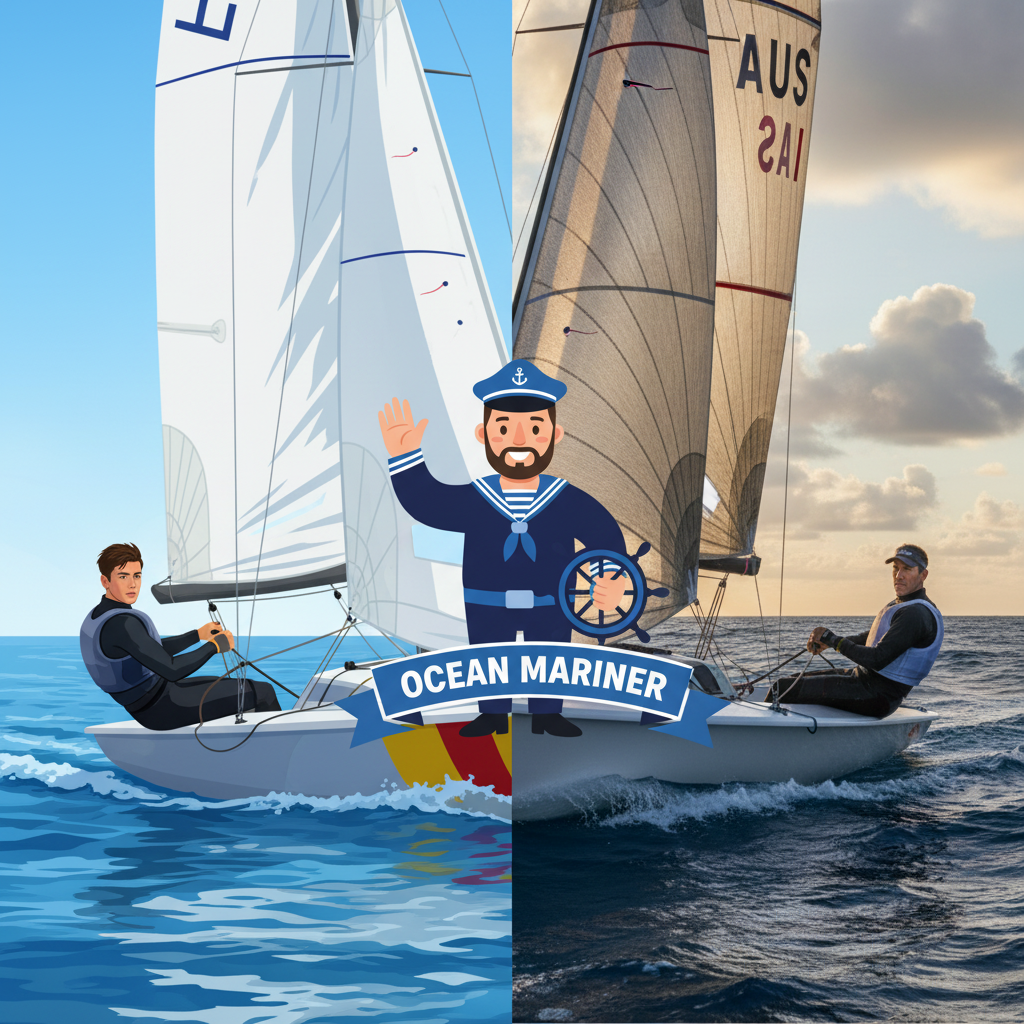
Casey burst onto the international scene with a ferocity that belied his age, snatching back-to-back Laser Radial World Championships in 1995 and 1996. That kind of early dominance usually propels a sailor directly into Olympic campaigns or grand prix circuits. Yet, Casey's journey took a different tack, a more circuitous route through offshore racing and a deeper immersion in the technical and strategic nuances of the sport away from the immediate glare of the spotlight.
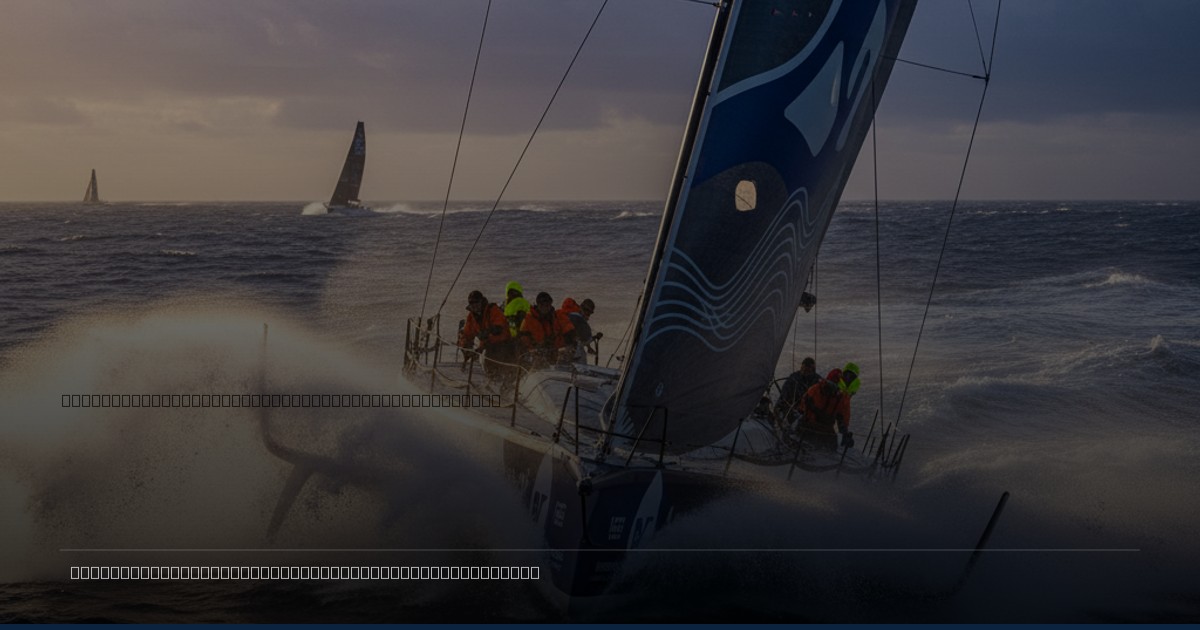
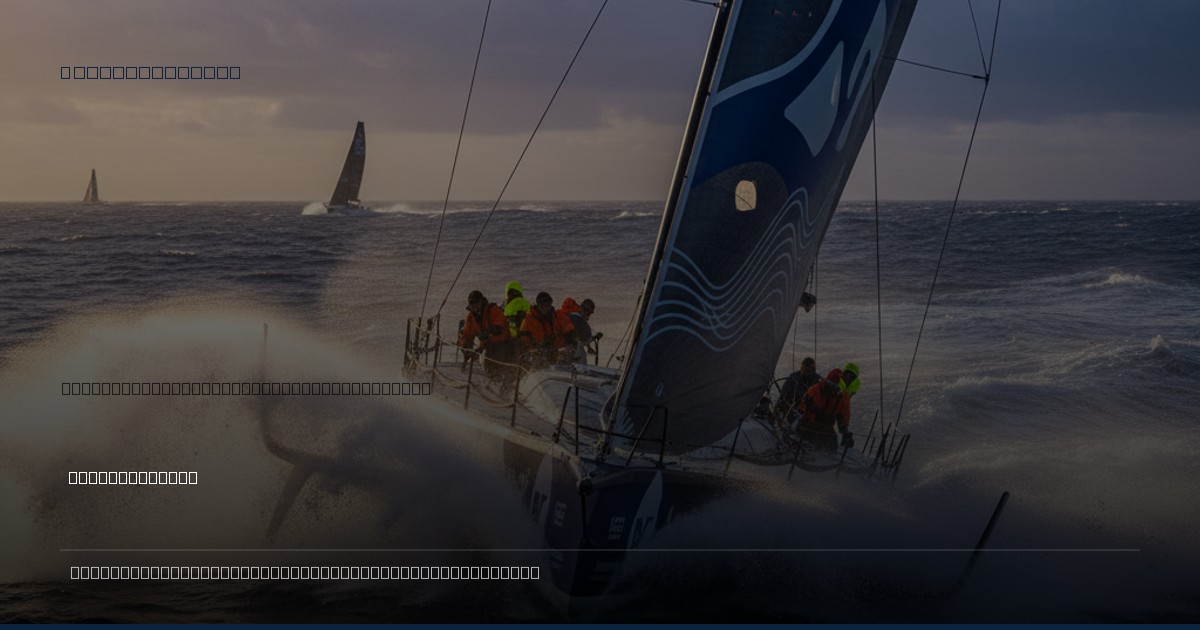
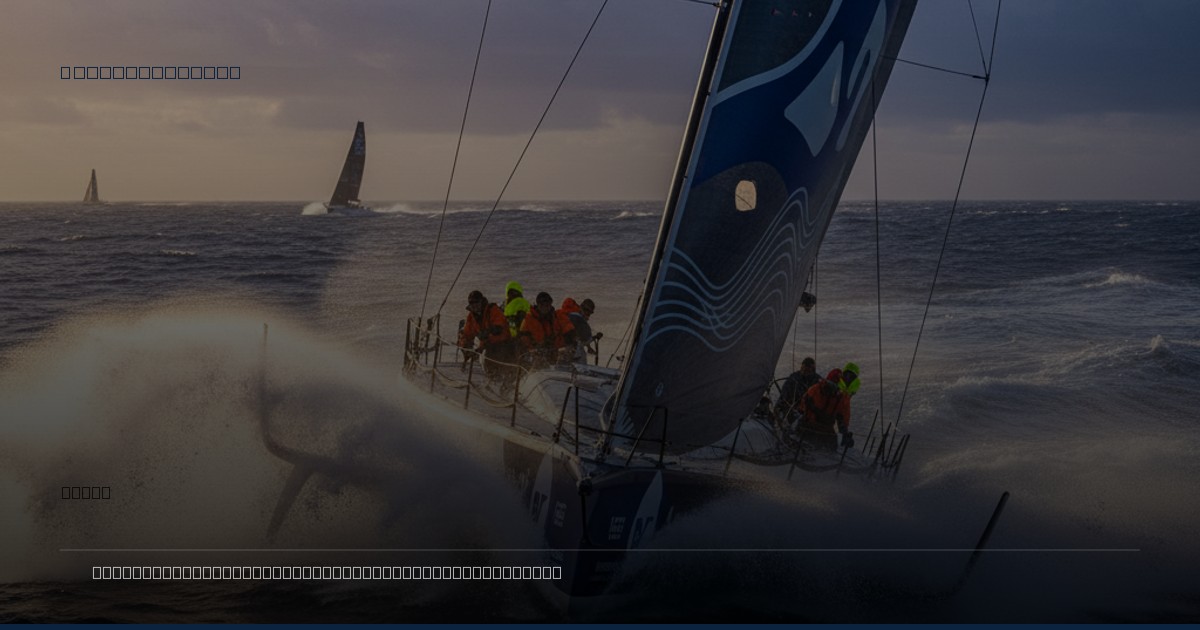
This isn't to say he vanished; rather, he was honing a different kind of edge. The skills cultivated in offshore sailing – the relentless pursuit of speed through varying conditions, the meticulous weather routing, the sheer physical and mental endurance – are invaluable. They are the bedrock upon which successful America's Cup campaigns like Emirates Team New Zealand are built, where the long hours of development and strategic planning often outweigh the flash of a single race.
Casey's resurgence, as Bertrand intimates, isn't just about winning; it's about the profound satisfaction of a career lived on one's own terms, proving that the 'front' in sailing can be found in many forms, and sometimes, the longest road yields the richest rewards. It's a lesson for every aspiring sailor, and indeed, every high-performance program, that true depth of experience often comes from embracing the full spectrum of sailing, not just the most obvious path.