The roar of the crowd, the precision of a Harken winch, the strategic dance of a wing sail – these are the hallmarks of our sport. Yet, for all its technological advancement and competitive fervor, sailing, particularly at its pinnacle, has often been a male-dominated arena. World Sailing, acknowledging this persistent imbalance, used International Women's Day to underscore a vital truth: true progress demands more than just opportunity; it requires active mentorship and allyship.
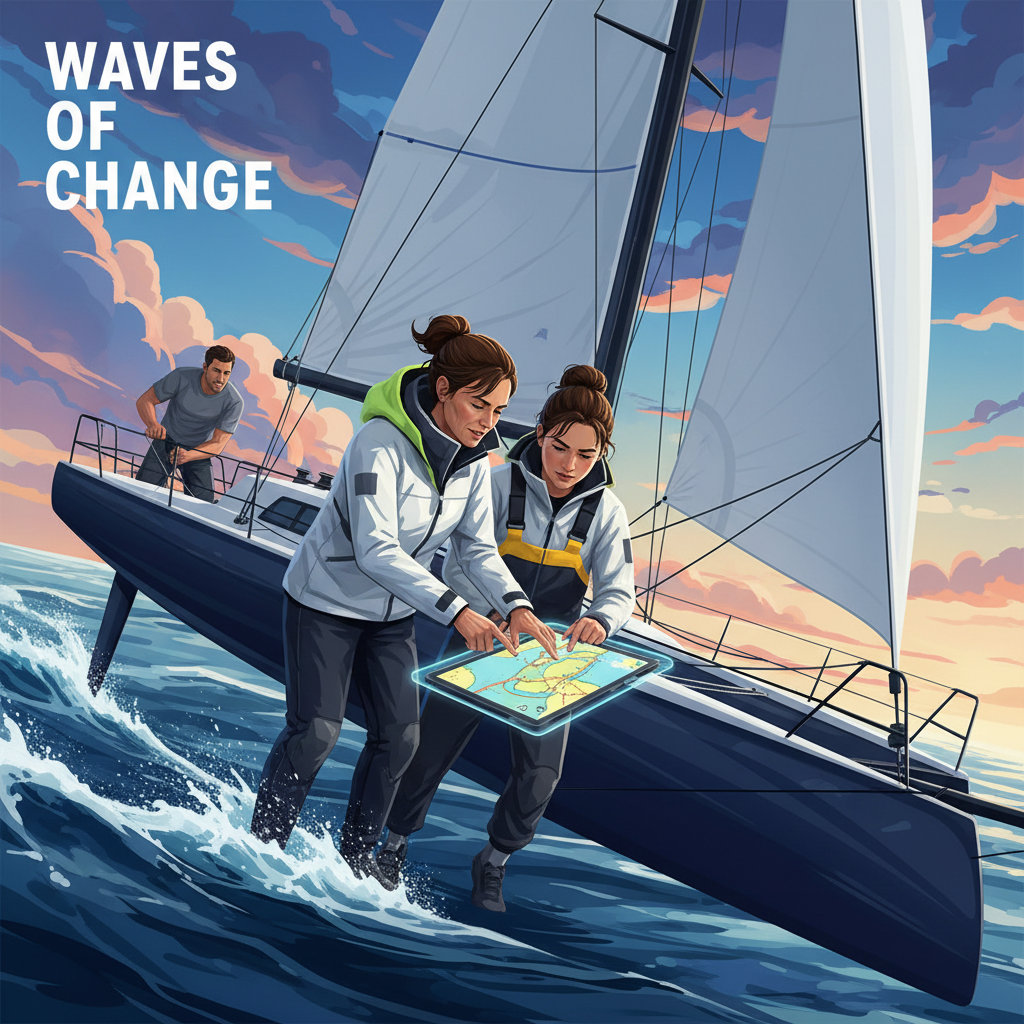
While we celebrate the trailblazers – the Olympic medalists, the Grand Prix circuit navigators, the offshore legends – their path has often been solitary. The call from World Sailing isn't just for platitudes; it's a strategic imperative. Imagine a young female tactician, honing her craft on a TP52, benefiting from the insights of a seasoned America's Cup veteran like a Shirley Robertson or a Carolijn Brouwer. Or a promising engineer, eyeing the intricate hydrofoils of an AC75, guided by a senior designer from Southern Spars. This isn't about tokenism; it's about enriching the talent pool, fostering diverse perspectives that can lead to innovative wind strategy or even a breakthrough in sail design.
For the sport to truly thrive, from the grassroots Opti fleets to the multi-million dollar campaigns of Emirates Team New Zealand or INEOS Britannia, the established guard must actively pull up the next generation. This means male sailors, coaches, and industry professionals becoming vocal allies, dismantling unconscious biases, and opening doors. The competitive edge isn't just on the water; it's in building the strongest, most diverse teams possible. Mentorship isn't just a feel-good initiative; it's a critical investment in the future of competitive sailing.