While the world's gaze often fixes on the cutting-edge hydrofoils of SailGP or the meticulously engineered wing sails of the America's Cup, the fundamental tenets of seamanship remain immutable. A stark reminder of this came in June 2024, with the dramatic loss of the Swedish-flagged Arcona 46, *Ida Lina*, in the vast expanse of the South Pacific, near the Marquesas.
The vessel succumbed to a catastrophic rudder post failure, a structural integrity breach that can render even the most robust yacht helpless. For competitive sailors, accustomed to the rigorous pre-race inspections and the immediate support of chase boats, the isolation of such an event is a chilling prospect. The crew of *Ida Lina* found themselves in precisely this predicament, miles from conventional rescue assets.
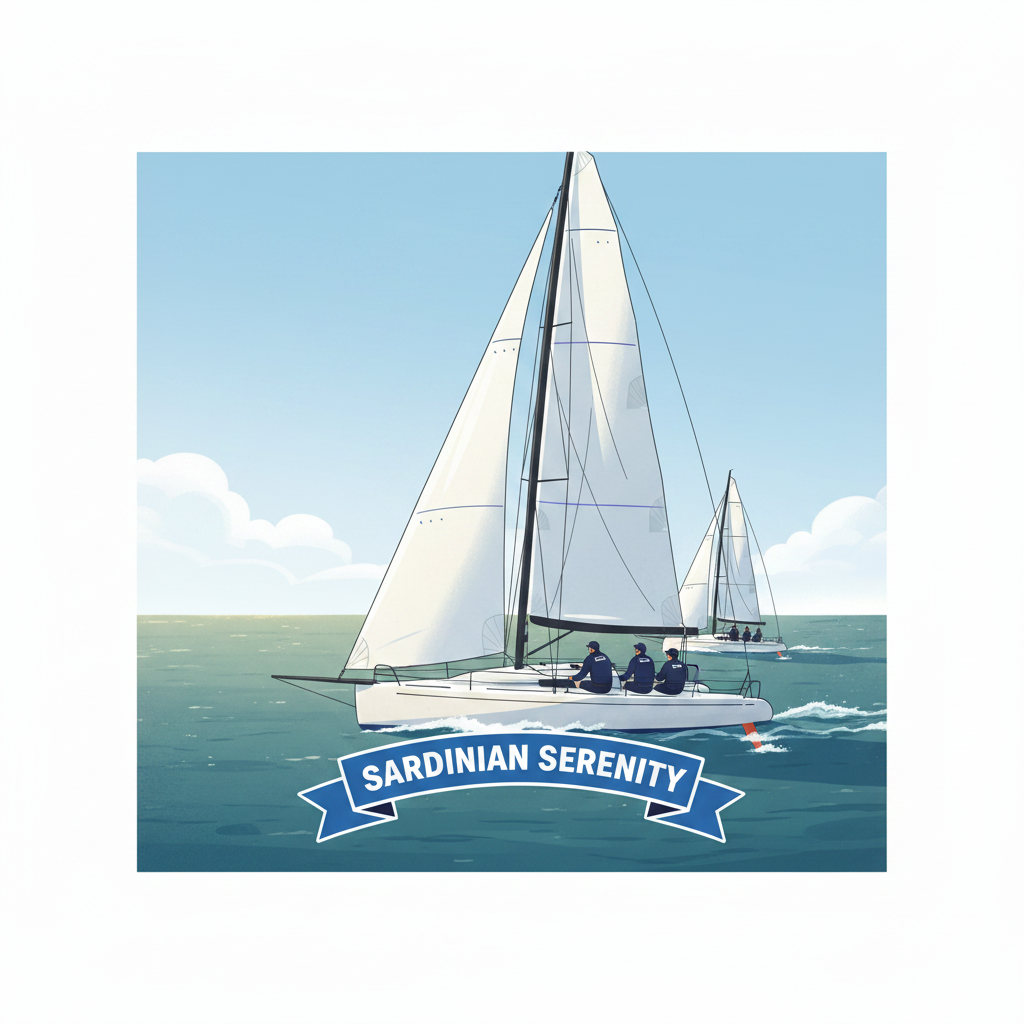
Their salvation, however, arrived not via satellite-linked SAR operations, but through an age-old maritime tradition: the 'buddy boat' system. Their friends, sailing another vessel in company, were able to respond to their distress call and execute a successful yacht-to-yacht rescue as the *Ida Lina* foundered. This incident, initially reported by George Day in *Cruising Compass*, highlights a critical lesson for all mariners, from offshore racers to grand prix circuit crews: the human element, coupled with robust communication protocols and mutual support, remains paramount.
Even with the most advanced Harken winches or Southern Spars rigs, a sudden structural failure or impact can turn a state-of-the-art yacht into a liability. This event serves as a powerful testament to the fact that while technology pushes boundaries, the core principles of seamanship – vigilance, preparedness, and the unwavering bond between sailors – are the ultimate safety net.