For decades, the Saffir-Simpson Hurricane Wind Scale has been the go-to metric for communicating the severity of tropical cyclones to the general public. From Category 1 to a devastating Category 5, it's a system ingrained in the minds of coastal dwellers from the Gulf to the Atlantic seaboard. But for those of us who live and breathe the sea, who've felt the raw power of a true gale, and who've made decisions based on intricate weather routing, this wind-centric scale is, frankly, a blunt instrument.
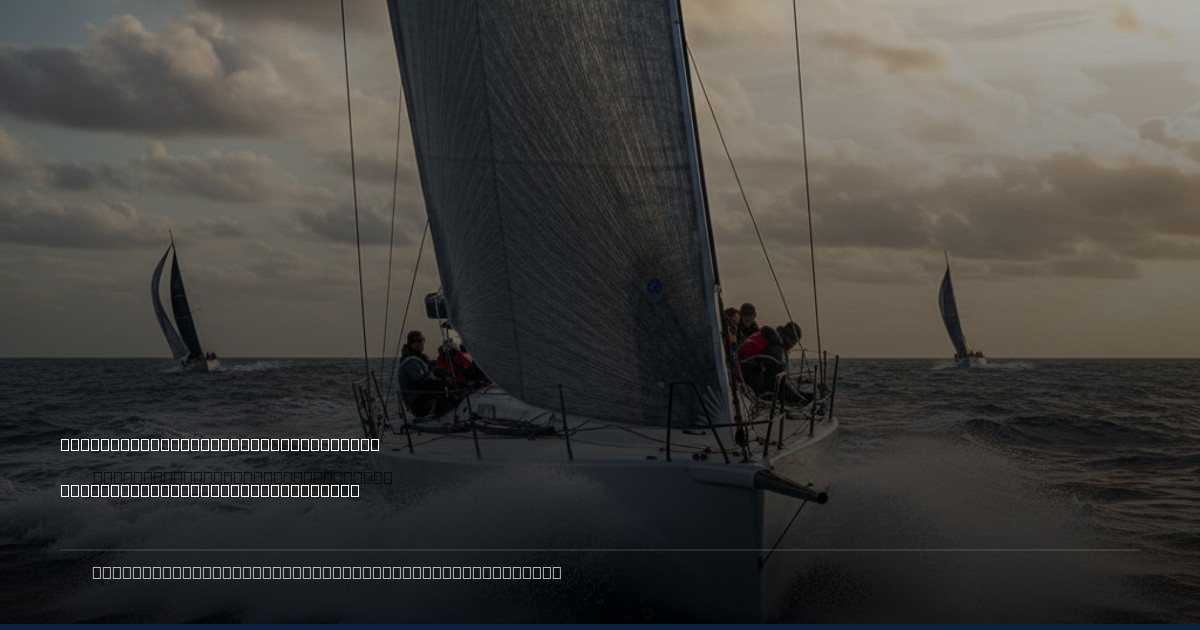
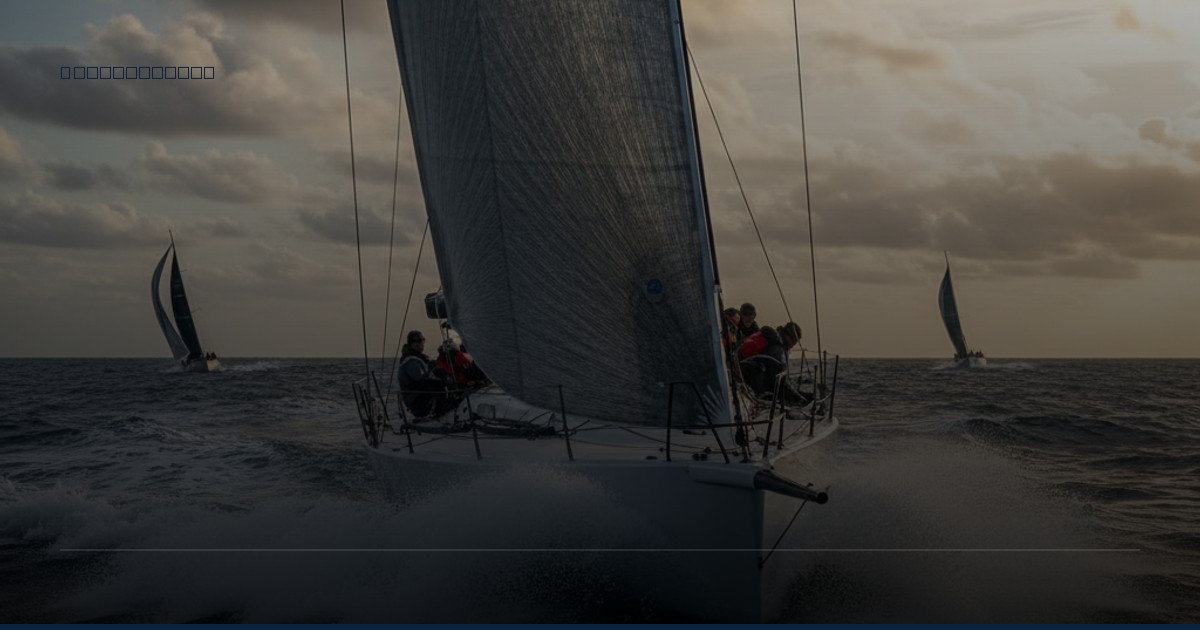
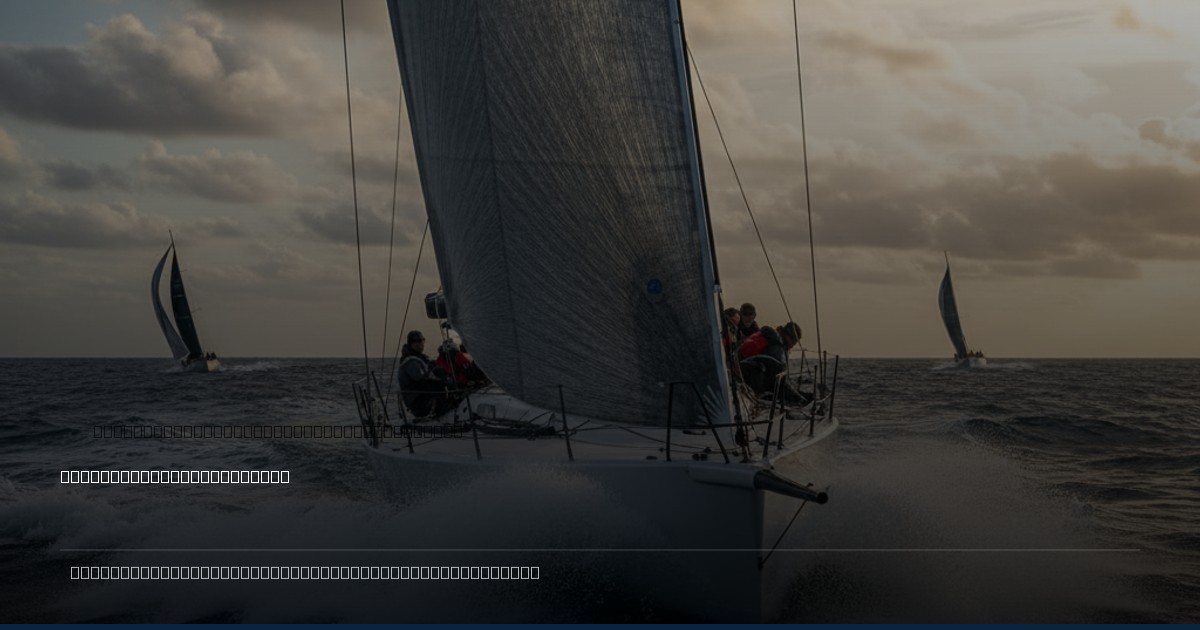
While maximum sustained wind speed is undeniably a critical factor, it paints only a fraction of the picture. What about the sea state? A Category 3 hurricane churning up a 40-foot swell is a vastly different beast than one with a 15-foot chop, even if the wind speeds are identical. For a grand prix yacht or a transatlantic racer, the difference between those wave heights can be the difference between survival and dismasting. We're talking about the structural integrity of carbon fiber, the performance envelope of a Southern Spars rig, and the very real danger to life and limb.
Then there's the storm's forward speed, its size, and the potential for storm surge – a phenomenon entirely independent of wind speed but devastating to coastal infrastructure and a major concern for any vessel caught in its path. The America's Cup teams, with their multi-million dollar foiling machines, don't just look at knots; they analyze pressure gradients, fetch, and the potential for rapid intensification. The Saffir-Simpson scale, while useful for a broad public warning, lacks the granular detail and holistic understanding that competitive sailors and marine professionals demand when facing nature's most formidable challenges. It's a starting point, perhaps, but far from the comprehensive assessment required to truly navigate such peril.