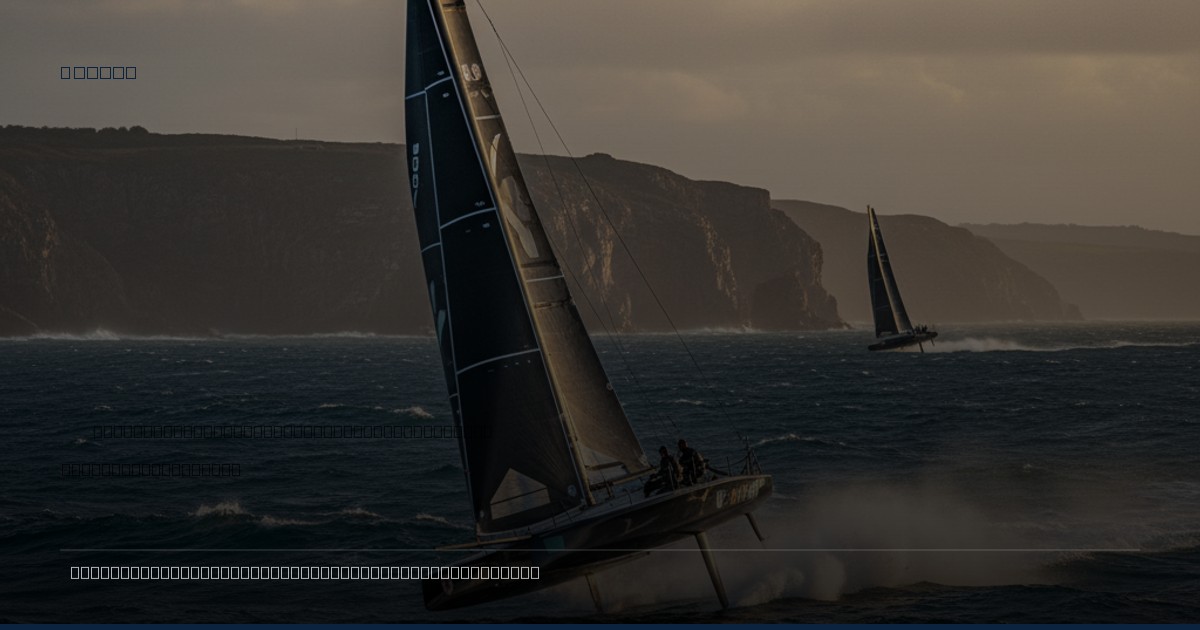
Auckland, the City of Sails, recently bore witness to a different kind of spectacle than its usual America's Cup heroics. The SailGP fleet, pushing the boundaries of speed and control, delivered a stark reminder of the fine line between triumph and disaster, particularly for the home team, Emirates GBR (formerly New Zealand).
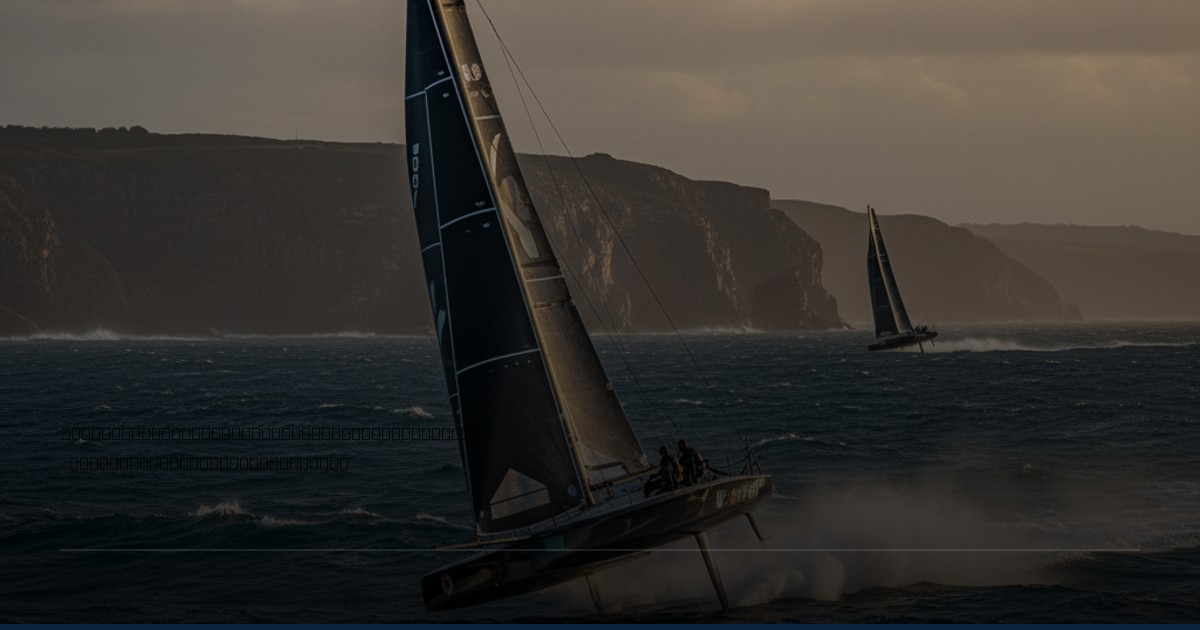
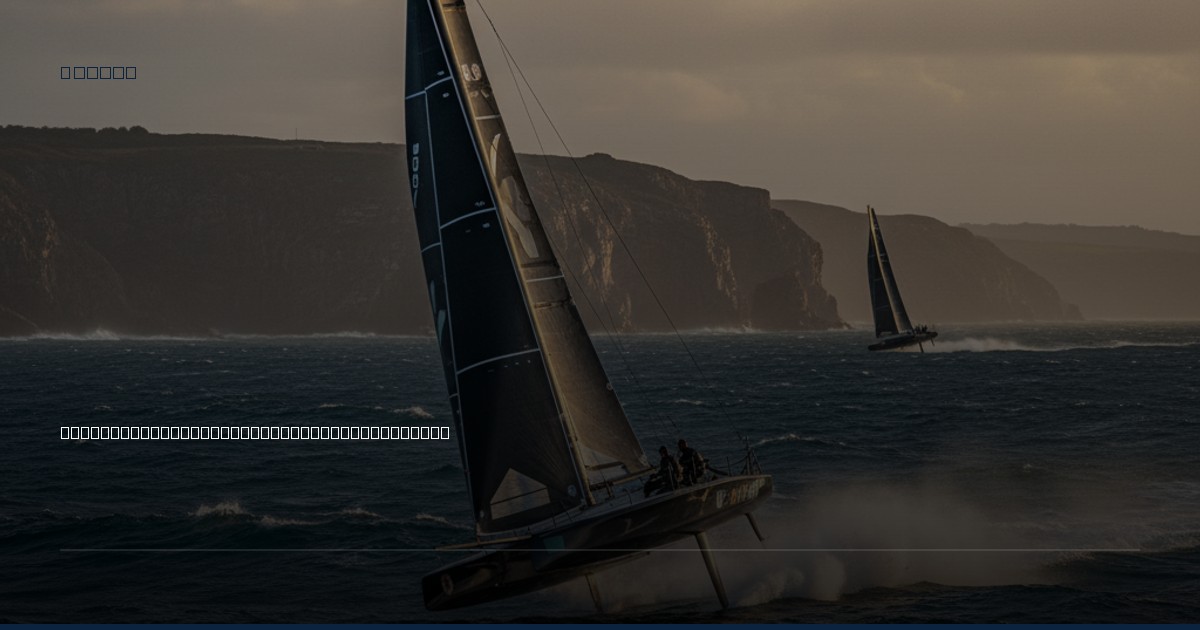
The incident, a visceral collision involving Peter Burling's Kiwi F50 and Quentin Delapierre's French challenger, was more than just a race-ending shunt. It was a seismic event that sent ripples through the entire SailGP paddock. The sight of two 50-foot carbon fiber missiles, powered by wing sails that act like jet engines, meeting with such force is a testament to the immense kinetic energy at play. For Burling, a man who has tamed AC75s and Olympic gold, it was a rare moment of lost control, highlighting the unforgiving nature of these machines.
Beyond the immediate damage – crushed hulls, shattered foils, and the inevitable crew injuries – the incident exposed the depth chart challenges of a burgeoning circuit. With multiple boats sidelined, the logistical nightmare for shore crews, working around the clock with precision tools and composite wizardry, is immense. This isn't just about replacing a Harken block or a Southern Spars section; it's about structural integrity, hydrodynamics, and getting a multi-million-dollar boat back on the water, often with borrowed components from North Sails' extensive inventory or sister teams.
This isn't just a setback; it's a stress test. SailGP's allure is its intensity, but Auckland proved that the high-octane spectacle comes with a high-stakes calculus, demanding not just sailing prowess but an unparalleled level of engineering resilience and operational agility from every team involved. The show, as always, must go on, but the scars of Auckland will serve as a potent reminder of the razor's edge these elite athletes and their cutting-edge craft navigate.