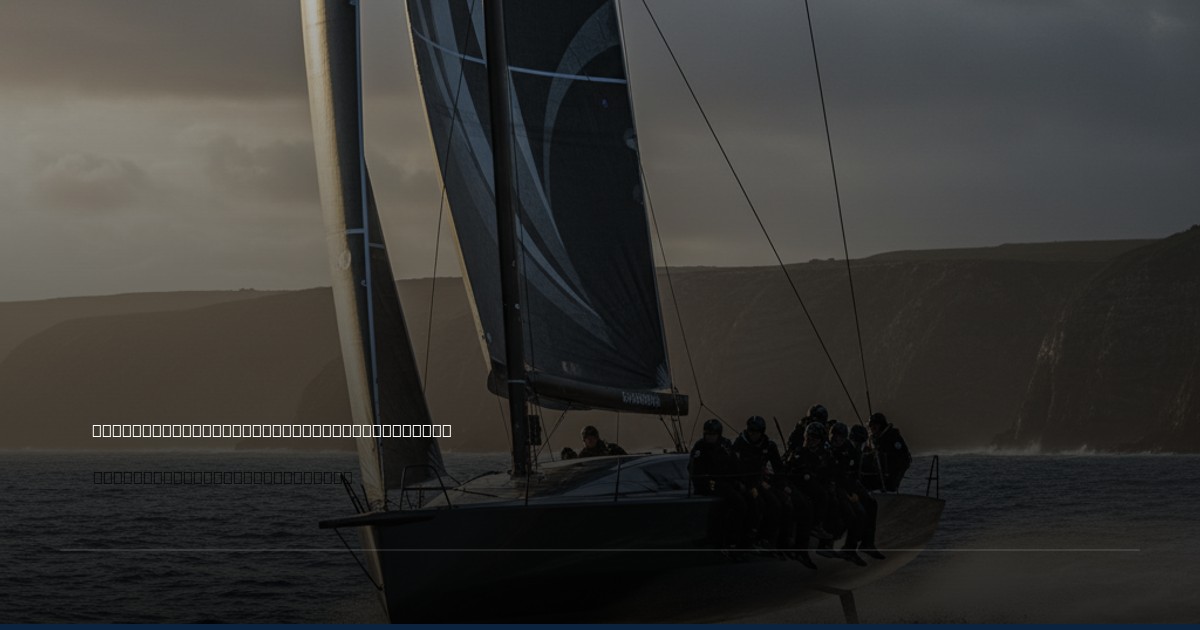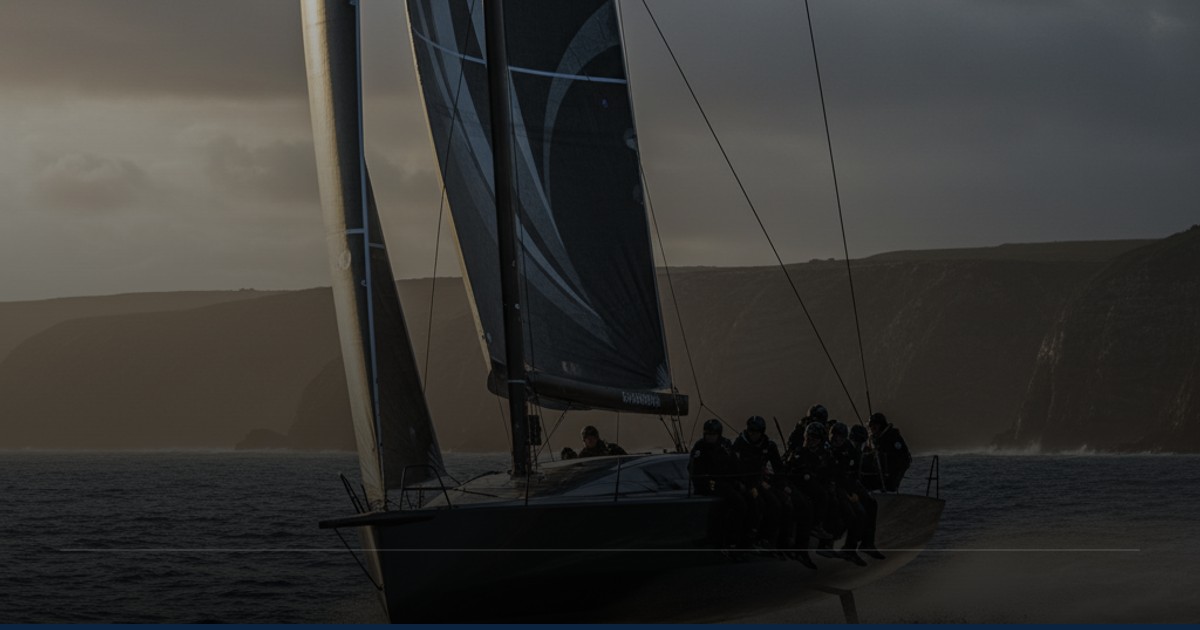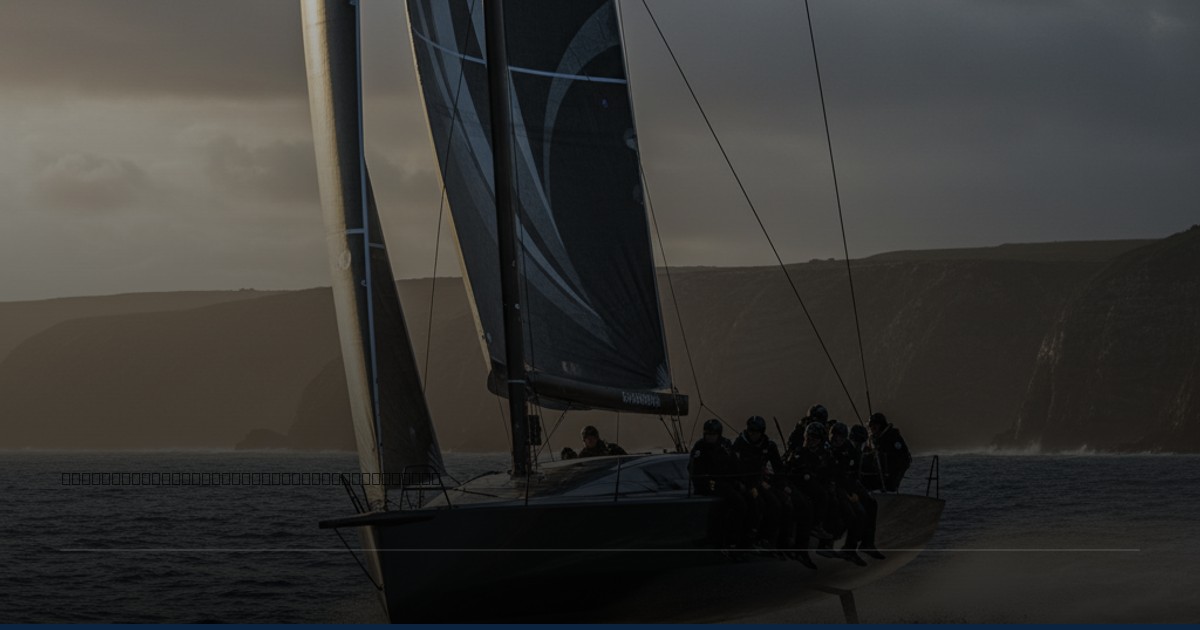
The question posed by Mark Johnson, echoing through the digital pages of Scuttlebutt, resonates deeply with anyone who's felt the spray of a classic 12-meter and then witnessed a SailGP F50 defy gravity. "What is it that will secure the future?" he asks, and it's a query that cuts to the very core of competitive sailing's identity.
Indeed, few sports have undergone such a seismic shift in a mere half-century. While football still involves a ball and a field, sailing has embraced a technological revolution that would make Jules Verne blush. The America's Cup, once a bastion of displacement monohulls and intricate sail plans from North Sails and Southern Spars, is now a high-stakes aerospace engineering challenge, where teams like Emirates Team New Zealand and American Magic pour hundreds of millions into carbon fiber wizardry and hydrofoil design. The AC75s, with their canting foils and wing sails, are more akin to fighter jets than traditional yachts. The business of it all is staggering, a testament to the pursuit of speed at any cost.
But is this relentless pursuit of speed, this unbridled innovation often facilitated by a relatively hands-off international federation, truly securing the future? Or is it creating a chasm between the grand prix circuit and the grassroots, pricing out all but the most heavily funded campaigns? The spectacle of Peter Burling and Tom Slingsby dueling at 50 knots is undeniably thrilling, a testament to human ingenuity and athletic prowess. Yet, the question remains: as we push the boundaries of what's possible on the water, are we nurturing the next generation of sailors, or simply building a faster, more exclusive playground? The answer, I suspect, lies in finding a delicate balance, ensuring that the allure of the cutting edge doesn't overshadow the enduring magic of sailing itself.