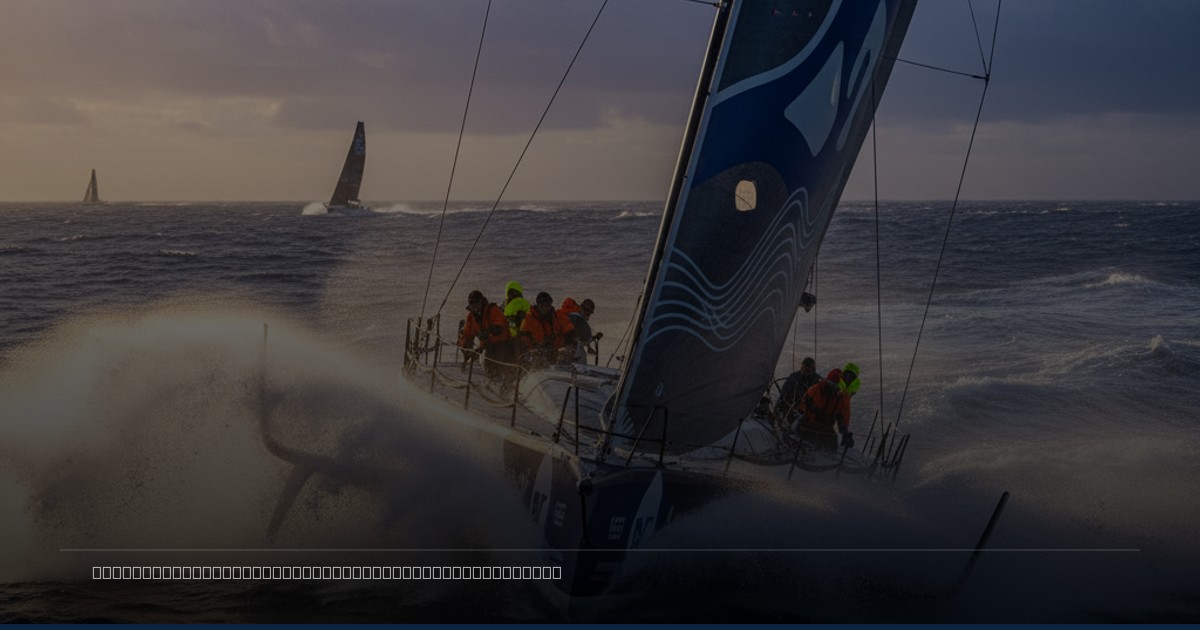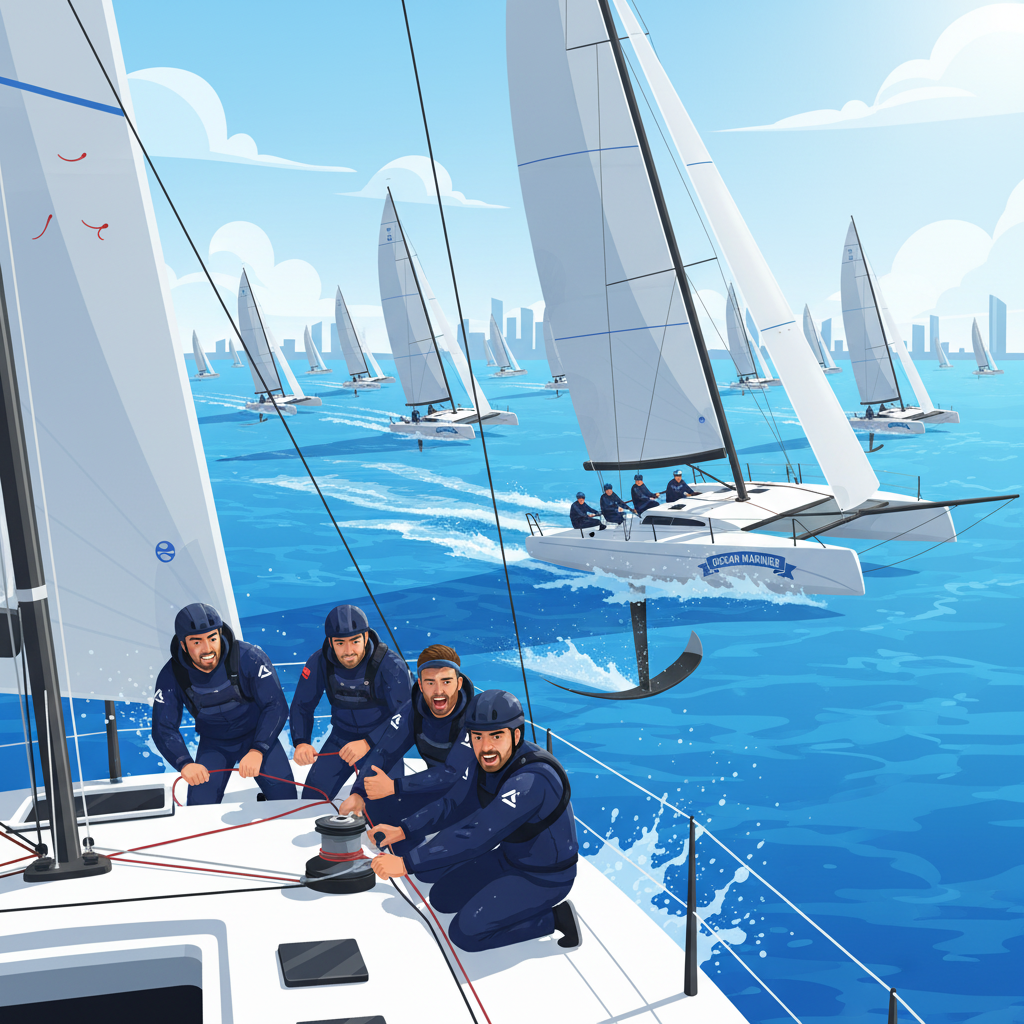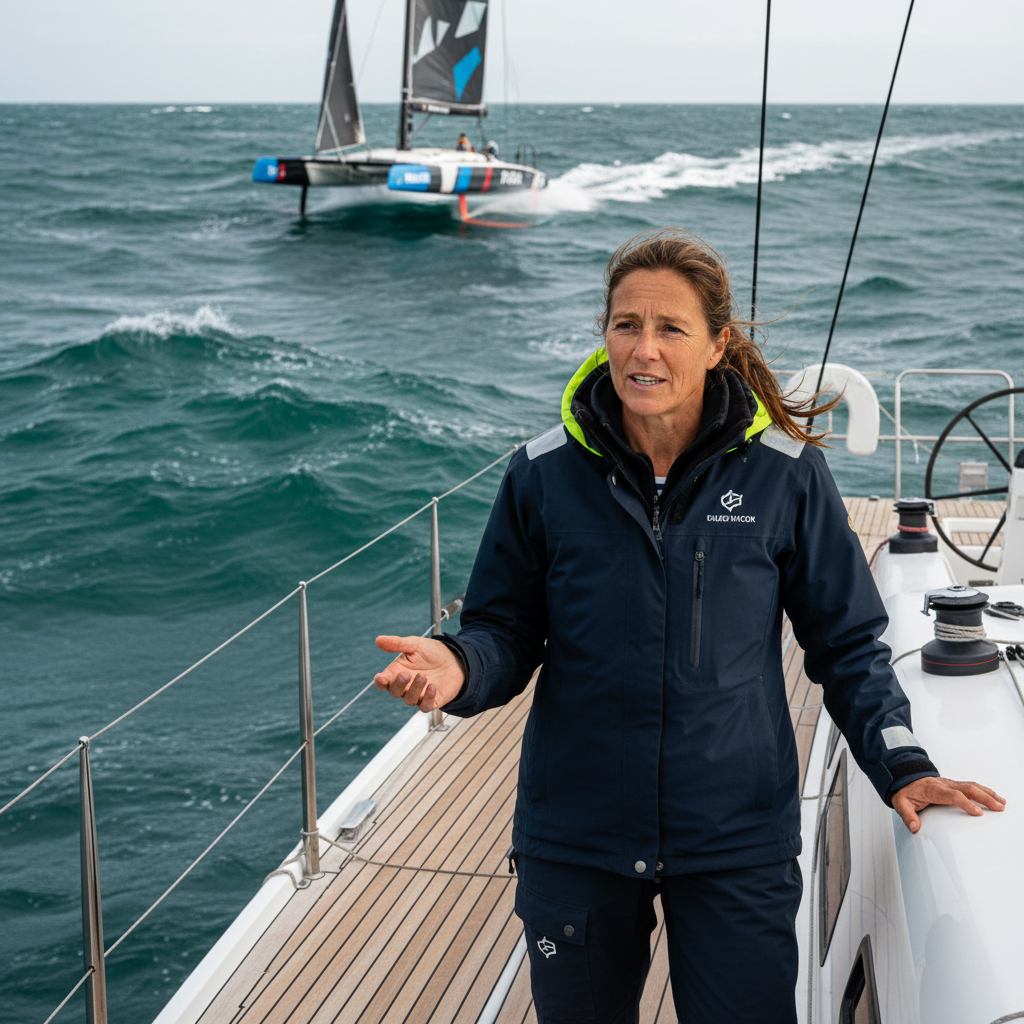
The siren song of offshore racing, for all its romantic allure, often gives way to the gritty reality of sleep deprivation, relentless watch systems, and the gnawing question of how to extract that last fraction of a knot when the crew's collective tank is running on fumes. Stuart Greenfield, a name synonymous with optimizing performance in the unforgiving arena of competitive yachting, recently shed light on this very conundrum, offering a baker's dozen of insights that resonate deeply with anyone who's pushed a grand prix machine across an ocean.
Greenfield's observations, gleaned from countless miles and campaigns, cut to the heart of what truly differentiates a podium finish from a mid-fleet slog. It’s not just about the latest North Sails inventory or the finely tuned Harken hydraulics; it's about the human element. He articulates a profound truth: sustained speed offshore isn't merely a function of brute force or even brilliant tactical calls, but a delicate balance of technical prowess and crew welfare. The best navigators, like those plotting intricate tidal gates for The Ocean Race or calculating wind shifts for an America's Cup challenger, understand that a fatigued crew makes suboptimal decisions, regardless of the data streaming from their Southern Spars rig.
His emphasis on prioritizing team spirit and energy, even at the expense of chasing every tenth of a knot, is a stark reminder that the long game offshore demands a different kind of calculus. This isn't the short-course sprint of SailGP, where Peter Burling or Tom Slingsby can push foiling catamarans to their absolute limit for 20 minutes. This is about managing resources – human and mechanical – over days, even weeks. It's about having the foresight to know when to ease off the throttle to ensure the team can re-engage with full vigor when the critical tactical window opens. Greenfield's wisdom serves as a crucial blueprint for any serious offshore program, from ambitious Corinthian campaigns to the multi-million dollar efforts vying for line honors.