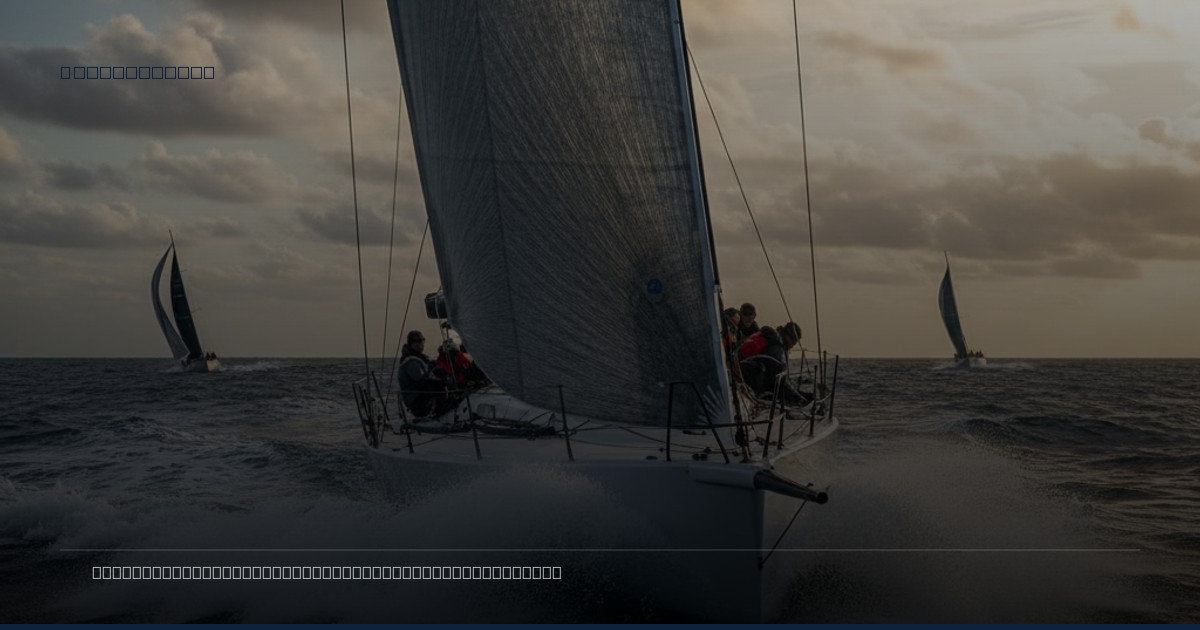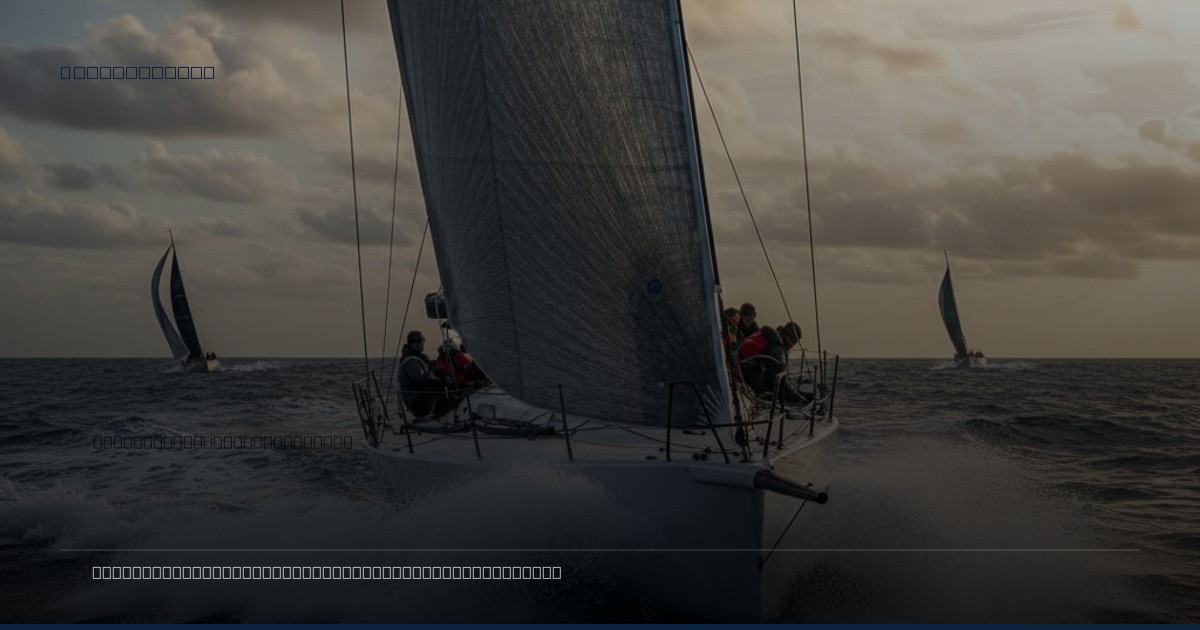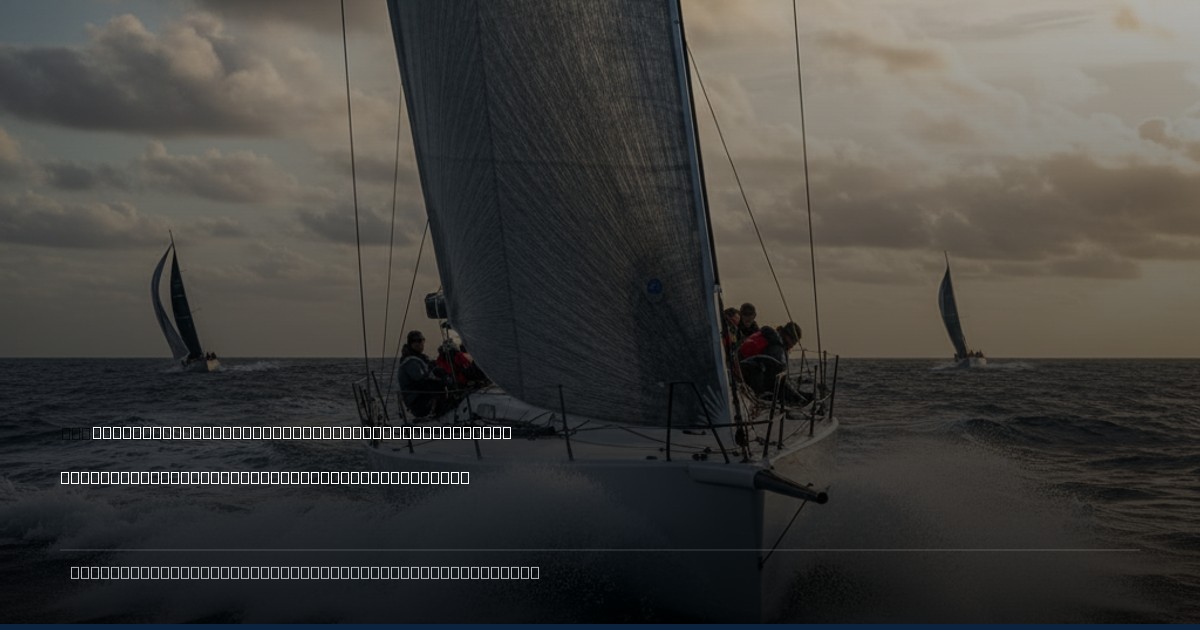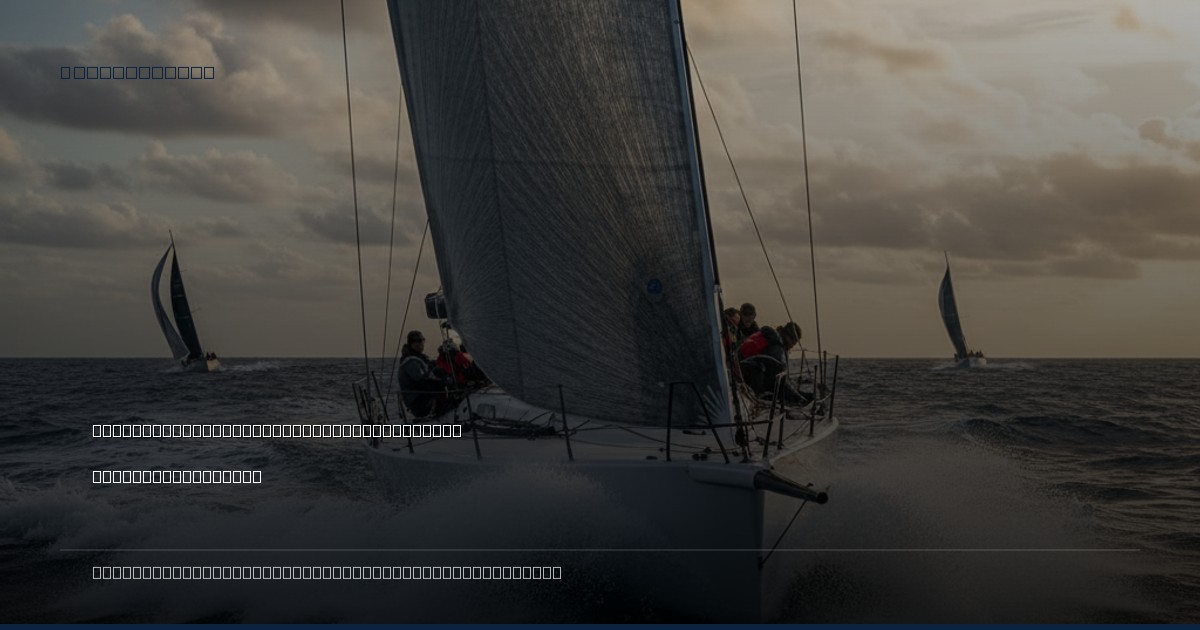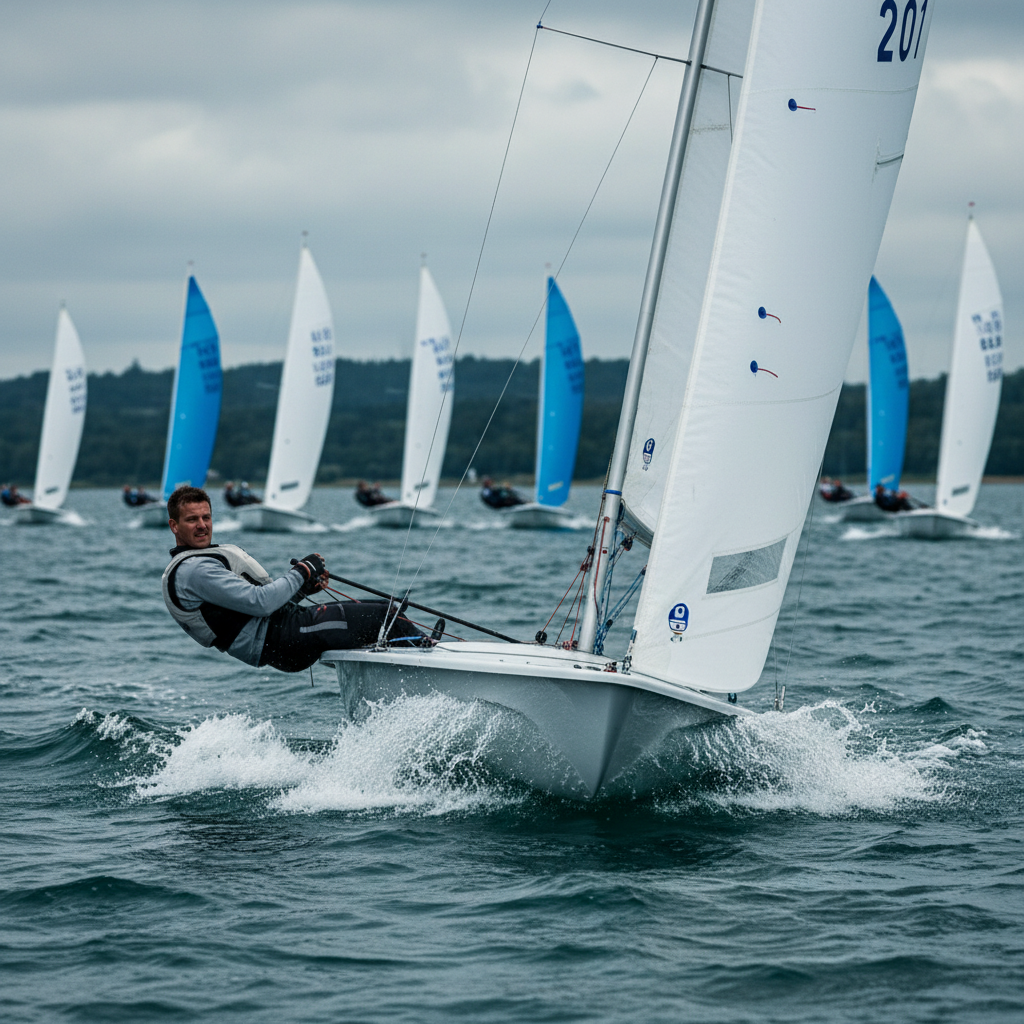
After a winter that felt less like a hibernation and more like an extended soak, the sailing world is finally stirring. While the titans of SailGP and the America's Cup are still honing their multi-million dollar machines, a more grassroots, yet equally passionate, resurgence is underway. The venerable Scorpion fleet, particularly at Chew Valley and beyond, is not just shaking off the damp; it's bursting with an energy that suggests 2026 could be a vintage year for the sport.
For those of us who've witnessed countless season openers, from the frostbite series on the Solent to the early-season skirmishes in Palma, there's a certain 'feel' to a promising year. The buzz emanating from the Scorpion class – a dinghy celebrated for its tactical nuances and close-quarters racing – is palpable. These aren't the foiling marvels of Emirates Team New Zealand, nor are they powered by the sophisticated wing sails engineered by Southern Spars for Luna Rossa. Instead, we're talking about pure, unadulterated dinghy sailing, where wind shifts are read with an almost telepathic instinct and every Harken block and North Sails laminate is pushed to its limit.
This early enthusiasm within the Scorpion ranks is more than just a local phenomenon; it's often a bellwether for the broader health of the sport. A vibrant dinghy scene feeds the pipeline, nurturing the next generation of tacticians and helmsmen who might one day find themselves on the grand prix circuit, or even battling for Olympic glory. If the early signs from Chew Valley are any indication, 2026 won't just be a standout for the Scorpions; it could be a season where competitive sailing, across all its diverse facets, truly shines.