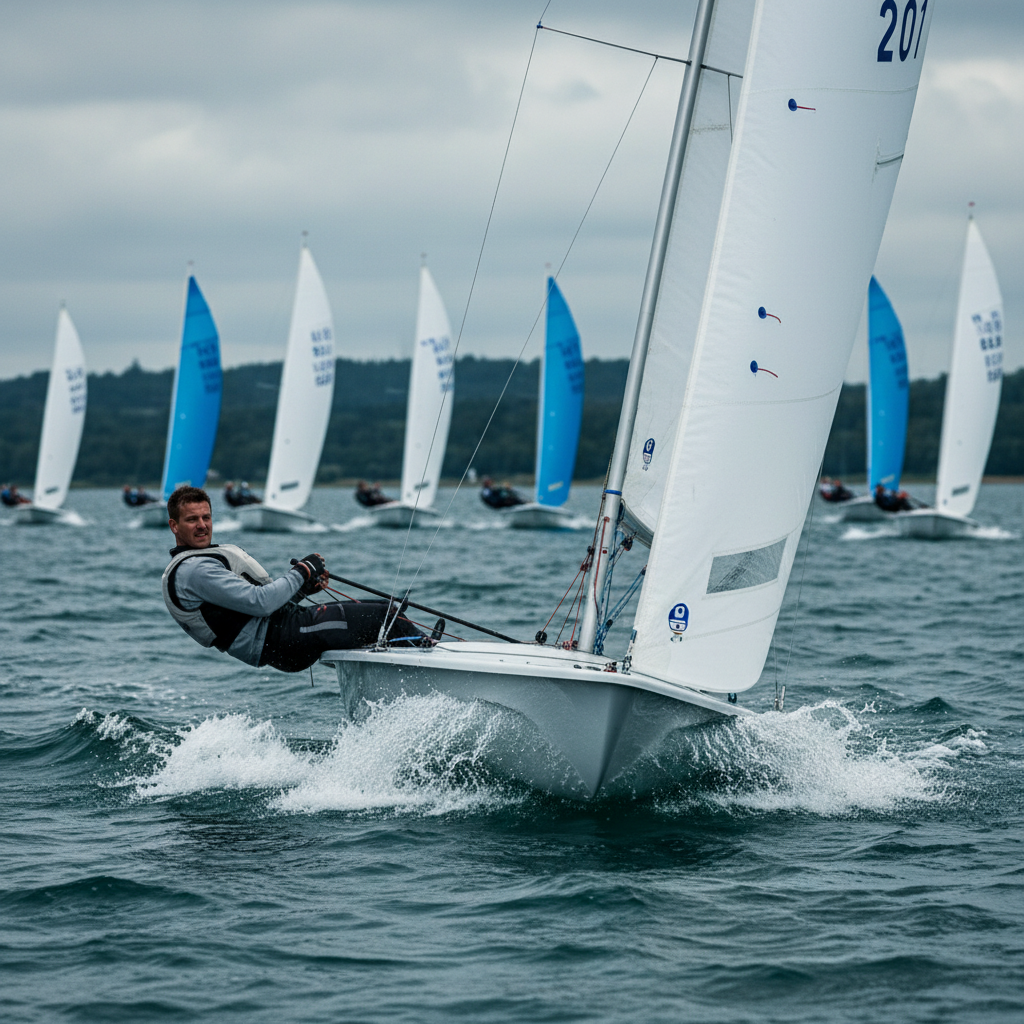
After what felt like an interminable, sodden winter, the familiar sight of sails unfurling against a brightening sky is a welcome balm for any sailor's soul. And nowhere is this reawakening more palpable than within the Scorpion fleet, which, according to early reports from venues like Chew Valley, is already demonstrating a renewed vigor that bodes exceptionally well for the 2026 season.
For those of us who've witnessed countless spring launches, there's a unique energy to the Scorpion class. It's a testament to enduring design and passionate communities. These aren't the multi-million dollar foiling machines we dissect in the America's Cup, nor the grand prix carbon fiber beasts of the TP52 circuit. Instead, the Scorpion represents the heart of club racing – accessible, competitive, and fiercely tactical, often decided by nuanced shifts and localized wind patterns that would make even a seasoned Finn sailor nod in appreciation.
What's particularly intriguing is the buzz surrounding this year. Is it a post-pandemic surge in participation, a renewed focus on grassroots sailing, or simply the cyclical nature of a healthy class? Whatever the catalyst, the early signs point to a significant uptick in activity and enthusiasm. This isn't just about getting boats on the water; it's about the competitive spirit, the camaraderie, and the technical mastery required to coax every ounce of speed from a dinghy in shifty inland conditions.
As the season progresses, we'll be watching closely to see if this initial burst of energy translates into sustained growth and heightened competition. The Scorpion class has always been a proving ground for tactical acumen and boat handling, and if 2026 lives up to its early promise, it will be a standout year for this iconic dinghy.